
Good design sells homes — but a lot of what people believe about design and selling is out of date, overblown, or simply wrong. Acting on the wrong assumptions can cost you thousands and add months to a sale. Here are five myths worth retiring before you put a home on the market.
Table of Contents
ToggleMyth 1: “You have to renovate before you sell”
The instinct to fix everything first is understandable, but a full renovation rarely pays for itself at sale. Spend £20,000 on a new kitchen and you might add £20,000 to the asking price — or you might add far less, while the work drags the timeline out by months.
Buyers also have their own taste. The high-spec kitchen you chose may be the first thing the new owner rips out. In many cases, a clean, tidy, well-presented home sells just as well as a freshly renovated one, for a fraction of the outlay. And if the property needs serious work, you can always sell to a purchaser who takes the property exactly as it is rather than pouring money into it first.
Myth 2: “Everything must be magnolia”
Somewhere along the way, “neutral” got mistaken for “beige everything”. Yes, a calm, neutral base helps buyers picture themselves in a space — but a home that’s been stripped of all character can feel cold and forgettable.
The smarter approach is a neutral backdrop with considered touches: a well-chosen accent wall, warm textures, decent lighting. You’re not designing for yourself; you’re helping a buyer imagine their life there. That’s a world away from painting every surface the same shade of cream.
Myth 3: “A bigger kitchen or extension always adds value”
Extensions can add value — up to a point. Every street has a ceiling price, and once a home is the most expensive on the road, extra square footage delivers rapidly diminishing returns. A £40,000 extension on a property near its local ceiling might return a fraction of that.
Before knocking through walls, it’s worth checking which improvements actually move the needle in your area. The HomeOwners Alliance keeps useful, impartial guidance on which projects tend to add value and which quietly lose money.
Myth 4: “Kerb appeal is just cosmetic”
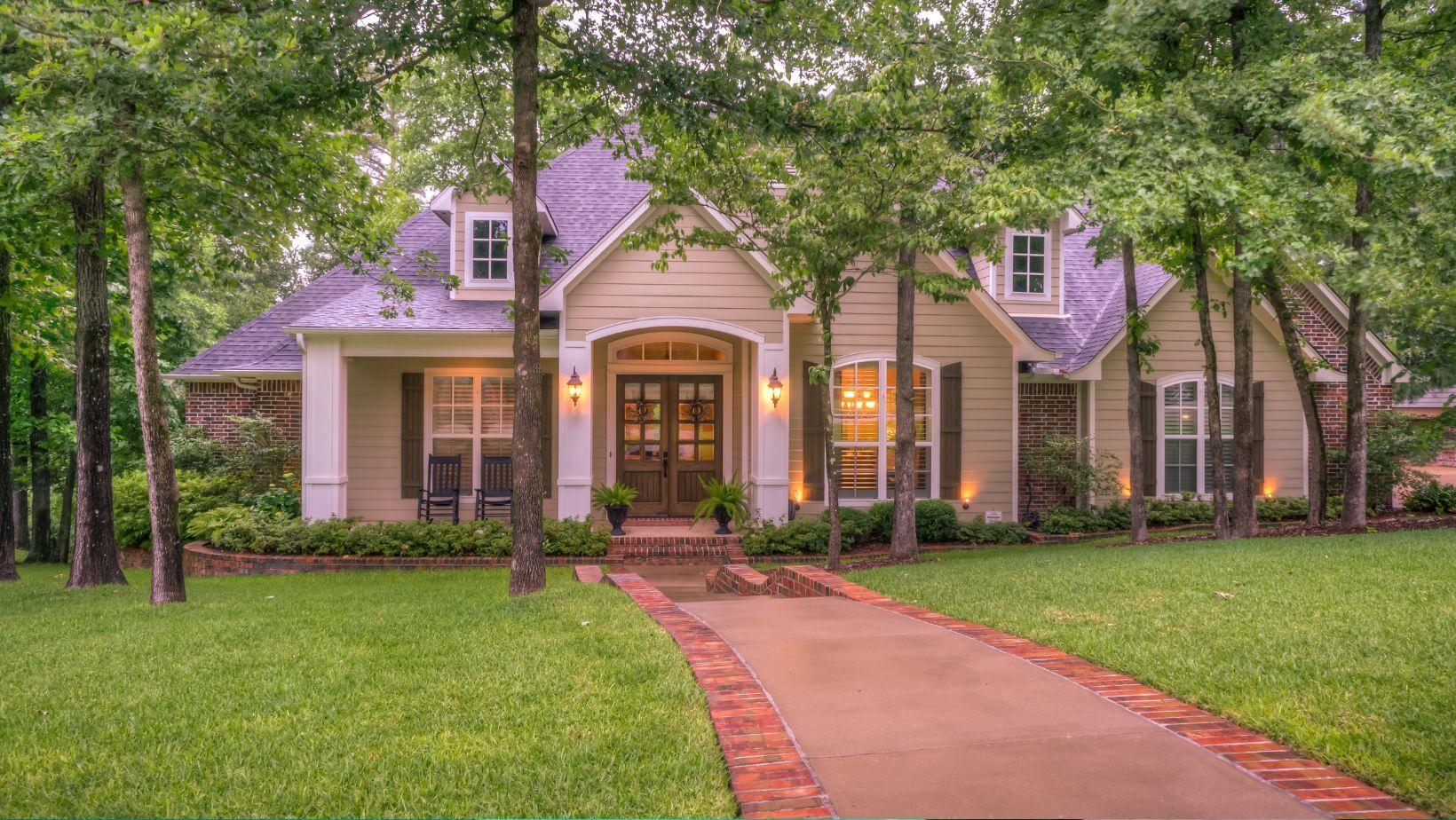
First impressions form in seconds, often before a buyer has stepped through the door — and increasingly, before they’ve even booked a viewing, while scrolling listing photos on their phone. A tired front door, a weedy path or an overgrown hedge can put people off before they give the inside a chance.
The good news is that kerb appeal is cheap to fix. A freshly painted door, clean windows, tidy planting and a clutter-free entrance cost very little and punch well above their weight. This is one area where modest design effort genuinely pays back.
Myth 5: “You must fix every fault before listing”
Sometimes the to-do list is the very thing keeping a home off the market. Damp patches, a dated bathroom, a boiler on its last legs — the longer the snag list, the longer the property sits unsold, and the more nervous buyers become at the survey stage.
For some sellers, the better design decision is to stop designing altogether and accept the trade. Selling as-is — particularly to a cash buyer who completes quickly and covers the legal costs — means skipping the renovation budget and the open-market limbo. You’ll typically accept a little under full market value, but you save the time, stress and spend of getting the place “perfect” first. Don’t forget the practicalities either: you’ll still need a valid Energy Performance Certificate to sell, whatever route you choose.
What actually moves the needle
Strip away the myths and the pattern is clear. The design that helps a home sell isn’t the most expensive — it’s the most considered: clean and decluttered, neutral but warm, with the cheap, high-impact details (light, paint, kerb appeal) done well. Big-ticket renovations are a gamble; presentation is almost always the better bet.
And when the work needed outweighs what you want to spend or wait for, remember that a fast, certain sale is a perfectly valid design choice in itself. The goal was never a perfect house — it was a sold one.