

Title tag: Choosing General Contractors for Remodels: Mistakes to Avoid
Meta description: Don’t risk your home renovation on the wrong hire. Avoid these common pitfalls to pick the best general contractors for remodels.
Summary
Choosing the right general contractor is the most stressful part of a renovation, but approaching the process with skepticism can protect your home and your wallet. You should prioritize legal safeguards by verifying licenses and insurance while avoiding the temptation of suspiciously low bids that often lead to hidden costs. Taking the time to check references and secure a detailed, written contract prevents communication breakdowns and project delays. Homeowners should also maintain financial leverage by sticking to a progress-based payment schedule rather than paying large sums upfront. Insisting on proper permits and a professional rapport ensures your remodel is safe, legal, and finished to your satisfaction.
Picking a general contractor is usually the most stressful part of a home remodeling project. Most homeowners start the process with plenty of excitement but very little experience in vetting construction professionals. This person acts as the manager for the entire project, overseeing everything from the initial demolition to the final coat of paint. Approaching this decision with a healthy dose of skepticism and a clear set of standards is the only way to protect a home and a bank account from the common pitfalls of the industry.
To ensure your project stays on track and within budget, you must be able to spot the red flags that often lead to hiring the wrong person. That said, here are mistakes you should avoid when picking general contractors for remodels:
1. Overlooking Local Licensing and Insurance
One of the most frequent and devastating errors homeowners commit is failing to verify a contractor’s legal standing within their specific jurisdiction. Whether you’re working with a small crew or a large construction company, a general contractor might possess a wealth of experience, but if they lack valid contractor licenses, you lose significant legal protections. Licensing ensures that the professional understands local building codes and has met the minimum standards of competency set by regulatory boards.
Furthermore, the absence of proper insurance coverage can leave you personally liable for any accidents that occur on your property. General liability insurance protects against property damage, while workers’ compensation is vital to ensure you are not sued if a laborer sustains an injury while installing your new cabinetry or flooring. Simply taking a contractor’s word for it is a recipe for catastrophe.
You must request physical copies of these documents and contact the issuing agencies to confirm they remain active and in good standing.
2. Prioritizing the Lowest Bid Above
The allure of a bargain is powerful, especially when faced with the daunting costs of a major renovation. However, selecting a contractor based solely on the lowest price often results in a final cost that far exceeds the initial estimate.
In the construction world, an outlier bid that sits significantly lower than the competition usually signals one of three things: a lack of experience, a plan to use inferior materials, or an intention to bury you in change orders later. Reputable contractors provide bids that reflect the actual market value of labor and high-quality materials. When a contractor undercuts the market, they’re often cutting corners that you can’t see, such as skipping necessary structural reinforcements or hiring unskilled labor. This approach leads to a cycle of repairs and corrections that negate any initial savings.
A fair price reflects a professional’s overhead, the skill of their crew, and the reliability of their timeline. Investing in quality from the start prevents the heartache of living in a home that looks finished but fails to function properly over time.
3. Neglecting a Comprehensive Background Check on References
Most homeowners ask for references, but very few actually pick up the phone to call them. Even fewer ask the right questions during those conversations. A contractor will naturally provide you with a list of their most satisfied clients, but your job is to dig beneath the surface of those glowing reviews. This is especially important when undertaking significant home improvement projects where the stakes are high, which is why it’s vital to work with a reputable remodeling contractor in South Florida or one in your area who can provide a verified history of successful builds.
You should inquire about how the contractor handled setbacks, as every major project encounters unexpected challenges. Ask if the contractor maintained a clean job site, if they communicated consistently throughout the week, and if the final price matched the original quote. It’s also beneficial to ask for references from projects completed several years ago. This allows you to assess how the contractor’s work holds up over time.
If a contractor hesitates to provide a list of past clients or if the references seem coached, consider it a significant warning sign. Genuine craftsmanship leaves a trail of satisfied homeowners who are usually more than willing to share their positive experiences with others.
4. Accepting Vague or Incomplete Written Contracts
A handshake agreement may feel personable, but it offers zero protection in a court of law or during a dispute over project scope. One of the most critical mistakes you can make is signing a contract that lacks granular detail about the project details.
A professional agreement should outline every aspect of the project, including a specific timeline with milestones, the intended architecture style, a detailed list of materials by brand and model number, and a clear payment schedule tied to completed work. Vague language such as “standard finishes” or “upgraded lighting” gives the contractor too much room to install the cheapest options available. The contract should also clearly define how change orders will be handled and what the process for dispute resolution looks like. Without these specifics, the project scope can creep upward, and the timeline can stretch indefinitely without any recourse for the homeowner.
5. Paying Too Much Money Before the Work Begins
A major red flag in the contracting world is a professional who demands a large percentage of the total cost upfront. While it’s standard to pay a reasonable deposit to secure a spot on the calendar or cover initial material costs, this should rarely exceed 10-15% of the total project value. When a contractor requires a massive down payment, it often suggests they’re using your funds to finish a previous project or that they lack the credit to procure materials. This cycle often leads to delays on your own home.
Instead, you should establish a progress-based payment schedule. This means the contractor receives funds only after specific, verifiable stages of the project pass inspection. By retaining the bulk of the payment until the final punch list is completed to your satisfaction, you maintain the necessary motivation for the contractor to finish the job with the same level of care they showed at the start.
6. Failing to Establish a Consistent Communication Protocol
Misunderstandings are the primary cause of friction in the contractor-client relationship. Many homeowners make the mistake of assuming that the contractor will intuitively understand their preferences or that updates will happen organically. Without a formal communication plan, vital details can get lost in a flurry of text messages, phone calls, or verbal asides on the job site. You should establish a primary point of contact and determine the frequency and method of updates before any demolition begins.
Whether it’s a weekly meeting on Friday afternoons or a daily email summary, consistent communication ensures that everyone remains on the same page regarding deliveries, inspections, and design choices. If a contractor seems evasive or difficult to reach during the bidding process, don’t expect their responsiveness to improve once they have your deposit. Professionalism in communication is a direct reflection of professionalism in construction.
7. Ignoring the Chemistry and Professional Rapport
While technical skill is paramount, you must remember that a general contractor and their crew will be in your personal space for weeks or even months. Ignoring a gut feeling or a clash in personalities is a mistake that can make the renovation process miserable. You need a contractor who listens to your concerns without being dismissive and who explains technical issues in a way that respects your intelligence. If a contractor is arrogant, overly aggressive, or refuses to answer questions clearly during the initial interview, these traits will only amplify under the stress of a construction project.
A successful remodel requires a partnership built on mutual respect and transparency. If you find it difficult to communicate with the contractor during the honeymoon phase of the project, the relationship will likely crumble when the inevitable stresses of construction arise. Choose a professional who demonstrates a temperament that aligns with your own.
8. Forgetting to Verify the Subcontractor Network
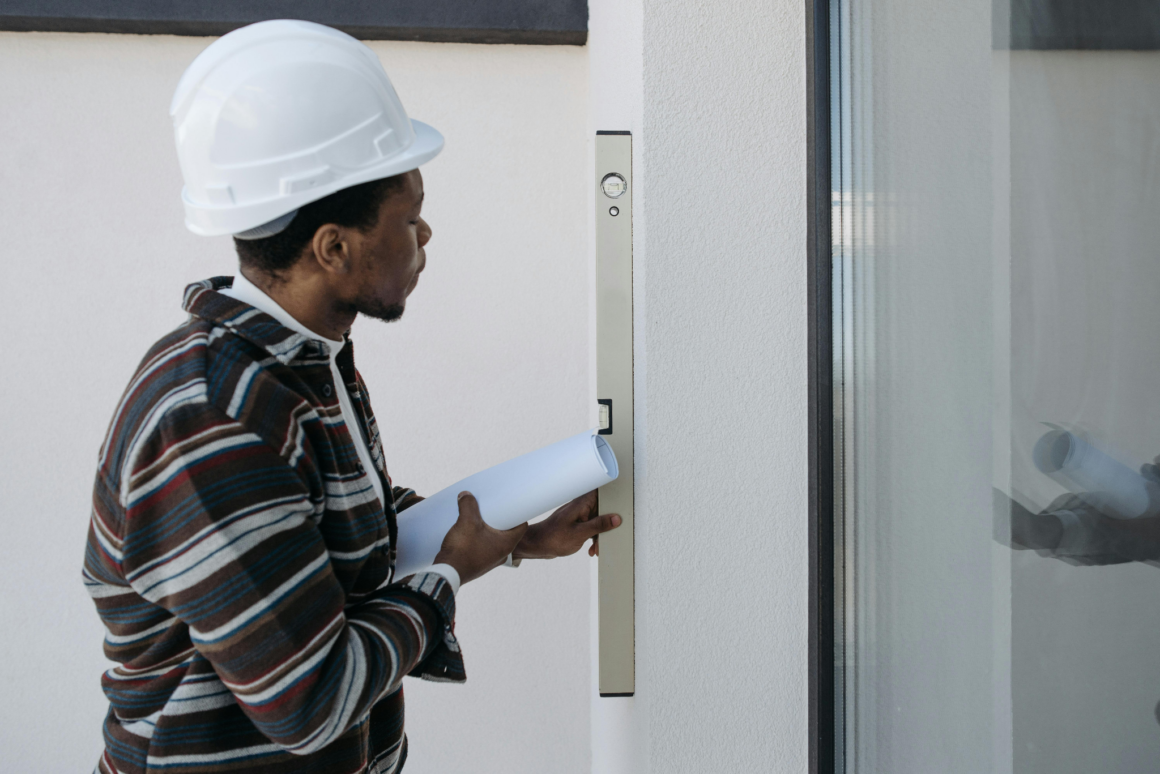
A general contractor is only as good as the specialists they hire to perform the actual labor. Many homeowners forget to ask about the subcontractors who’ll be handling the plumbing, electrical, and HVAC systems. Reputable home builders maintain long-standing relationships with these tradespeople rather than simply hiring the cheapest labor available on a project-by-project basis. Established partnerships usually result in better coordination and higher quality control.
Furthermore, you must ensure that the general contractor’s insurance extends to these subcontractors or that the subcontractors carry their own independent policies. You should also request lien waivers from all subcontractors and material suppliers. This legal document confirms that the general contractor has paid them for their work on your home, preventing a situation where a disgruntled plumber places a lien on your property because the general contractor pocketed the money intended for their labor.
9. Skipping the Permitting Process to Save Time or Money
Skipping permits is a catastrophic error that can haunt you for years. They ensure that a third-party expert (the city inspector) verifies that the work meets safety and structural codes. If you perform unpermitted work, you may face heavy fines, be forced to tear out completed renovations to show the inspector what lies behind the walls, or encounter significant hurdles when you eventually try to sell your home. Insurance companies may also deny claims for fire or water damage if they discover the root cause was unpermitted electrical or plumbing work.
A reputable contractor will insist on following the law and will factor the time and cost of permits into their proposal. Any professional who encourages you to fly under the radar is prioritizing their convenience over your long-term legal and financial security.
Conclusion
Whether you’re undertaking a full home renovation, home rebuilding after damage, or a targeted room upgrade, remodeling is almost always a bit of a rollercoaster. Most of the horror stories happen because people rush into hiring the first person they talk to. Here’s the secret when choosing and working with general contractors for remodels: verify their license, get every detail in a solid contract, and never pay the full amount before the work is done. Sure, it’s a hassle to call references and wait for permits, but look at it as an insurance policy for your house.
At the end of the day, you want a contractor who feels like a partner, not a headache. Taking the time to avoid these common mistakes means you’ll finish the project feeling proud of your new space.