
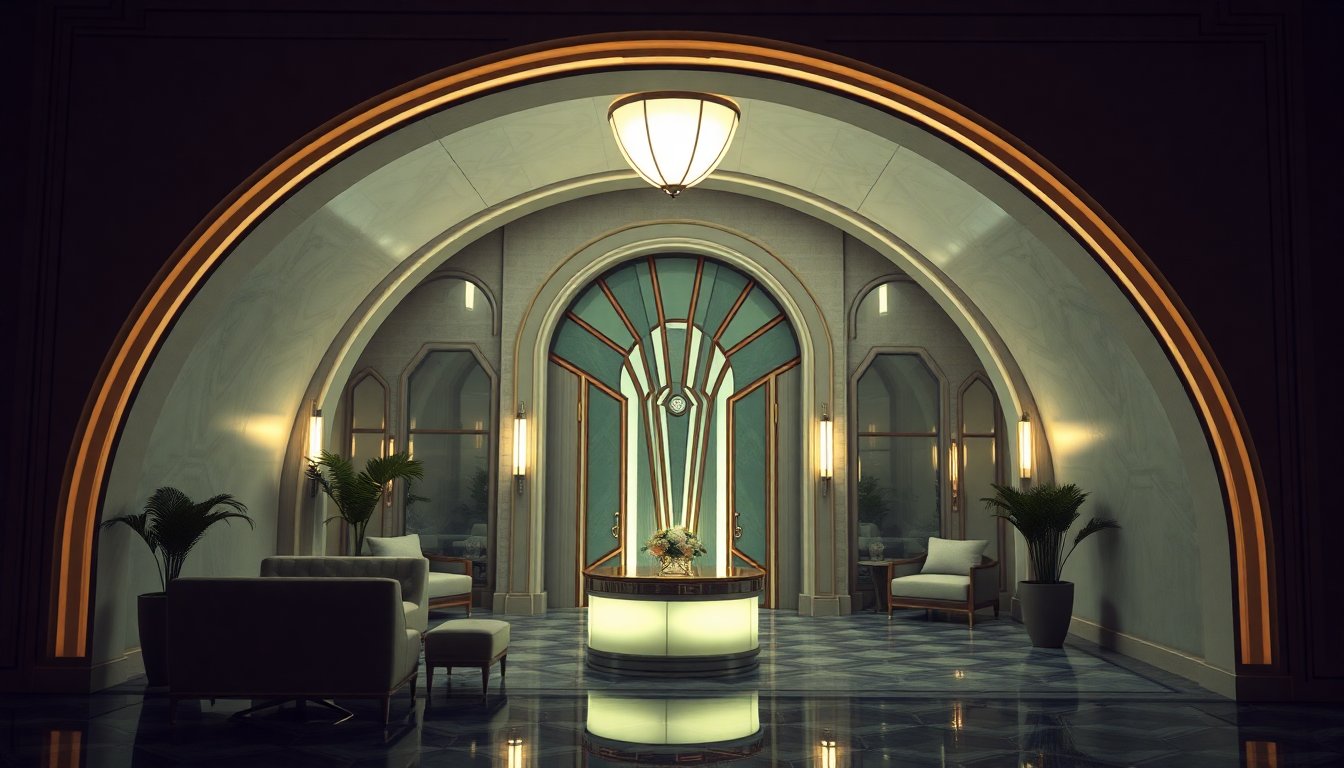
Art deco pushyour design timeless style sets a clear visual goal. Designers pushyourdesign pets cherished joy endless choose bold geometry, rich materials, and high contrast to create lasting rooms. This guide explains origins, core elements, and step-by-step tips. It shows how they apply Art Deco in modern homes. The language stays direct. Readers get practical actions they can use today.
Table of Contents
ToggleKey Takeaways
- Art Deco’s timeless style combines bold geometry, rich materials, and high contrast to create elegant and purposeful interiors.
- Core Art Deco elements include stepped forms, sunburst motifs, polished metals like brass and chrome, and layered lighting for dramatic effect.
- Start your Art Deco design with one statement piece and build supporting elements like geometric rugs and metal accents for balanced visual impact.
- Adapt Art Deco to modern homes by mixing vintage and contemporary pieces, using reflective surfaces, and planning lighting to highlight geometry.
- Maintain clarity in form and limit decorative items to preserve the style’s balance and avoid clutter.
- Use room-specific tips such as angular sofas in living rooms and lacquered dressers in bedrooms to refresh spaces with Art Deco flair.
What Makes Art Deco Timeless: Origins, Philosophy, And Modern Appeal
Art Deco began in the 1910s and rose in the 1920s and 1930s. Designers mixed machine-age aesthetics with fine craft. They used geometric forms, symmetry, and new materials. The style favored metal, glass, lacquer, and exotic woods. It emphasized sleek lines and decorative pattern. The movement responded to industrial progress and cultural optimism. Today designers reuse those traits. They pair classic motifs with current materials and tech. This pairing keeps Art Deco fresh and usable. It also keeps the style readable across decades. Many people prefer Art Deco because it balances ornament with order. That balance makes rooms feel both elegant and purposeful.
Core Art Deco Elements To Incorporate Now
Start with geometry. Designers add stepped forms, sunburst motifs, and chevrons to surfaces. Use bold symmetry. Place furniture and art to create mirrored visual weight. Choose high-contrast color schemes. Black with gold, deep green with brass, and navy with chrome work well. Favor polished metals. Brass, chrome, and nickel highlight edges and frames. Add glass and mirrors to boost light and reflections. Include lacquered or veneered wood for sheen. Use upholstery with subtle sheen and tight tailoring. Pick lighting with layered sources: sconces, pendants, and table lamps with sharp silhouettes. Add patterned rugs and graphic wallpaper in measured amounts. Balance pattern with plain surfaces to avoid clutter. Limit decorative items to a few sculptural pieces. Those items should echo the geometry in other surfaces. Overall, aim for clarity in form. That clarity preserves the style across trends.
Practical Tips For Applying Art Deco In Contemporary Homes
They begin with one anchor piece. Choose a sofa, mirror, or light fixture with clear Art Deco lines. They place that piece where it makes the most visual impact. Then they layer supporting elements. Add a rug with a strong pattern. Add two or three metal accents in one finish. Keep wall paint neutral when adding patterned wallpaper on one focal wall. They keep scale correct. Large rooms tolerate bolder patterns and taller mirrors. Small rooms need restrained motifs and compact furniture. They combine old and new. A vintage mirror can sit beside a modern streamlined cabinet. This mix preserves authenticity and adds practicality.
Designers watch proportions. They pair low seating with tall vertical lighting to keep sight lines clear. They use reflective surfaces to increase perceived space. They select finishes that clean easily for daily use. They choose fabrics with stain resistance for high-traffic areas. They also plan lighting layers to highlight geometry at night. Use dimmers and focused uplighting to create mood. Finally, they avoid copying period rooms exactly. They extract key elements and reassemble those elements to fit modern circulation, storage, and technology needs.
Room-By-Room Quick Checklist For An Instant Art Deco Refresh
Living room
- Place a statement sofa with angular arms.
- Add a large mirror with a sunburst or stepped frame.
- Use a geometric rug and two metal side tables.
Dining room
- Select a table with a lacquer or glass top.
- Choose chairs with tapered legs and clean upholstery.
- Suspend a bold pendant above the table.
Bedroom
- Use a headboard with vertical channeling or a stepped profile.
- Add mirrored nightstands or a lacquered dresser.
- Layer a patterned throw at the foot of the bed.
Entry and hallway
- Install a console with metallic trim.
- Hang a framed graphic print and a large mirror.
- Add a linear runner with a chevron or stripe.
Bathroom
- Choose polished metal fixtures and a geometric tile pattern.
- Use a round mirror with a thin metal frame.
- Keep counters clear and add one sculptural soap dish.
Work corners
- Use a streamlined desk with metal legs.
- Pick a desk lamp with a stepped or conical shade.
- Add a small accent shelf and a single sculptural object.
Practical buying tips
- Buy one high-impact piece first.
- Match metals but vary textures.
- Test wallpaper and fabrics with samples on site.
- Keep storage hidden to let form matter more than clutter.
For inspiration from other creative fields, a detailed interview in gaming design shows how artists reuse vintage cues in modern forms: readers can see a Hirogami interview that discusses using classic motifs in new visuals.