
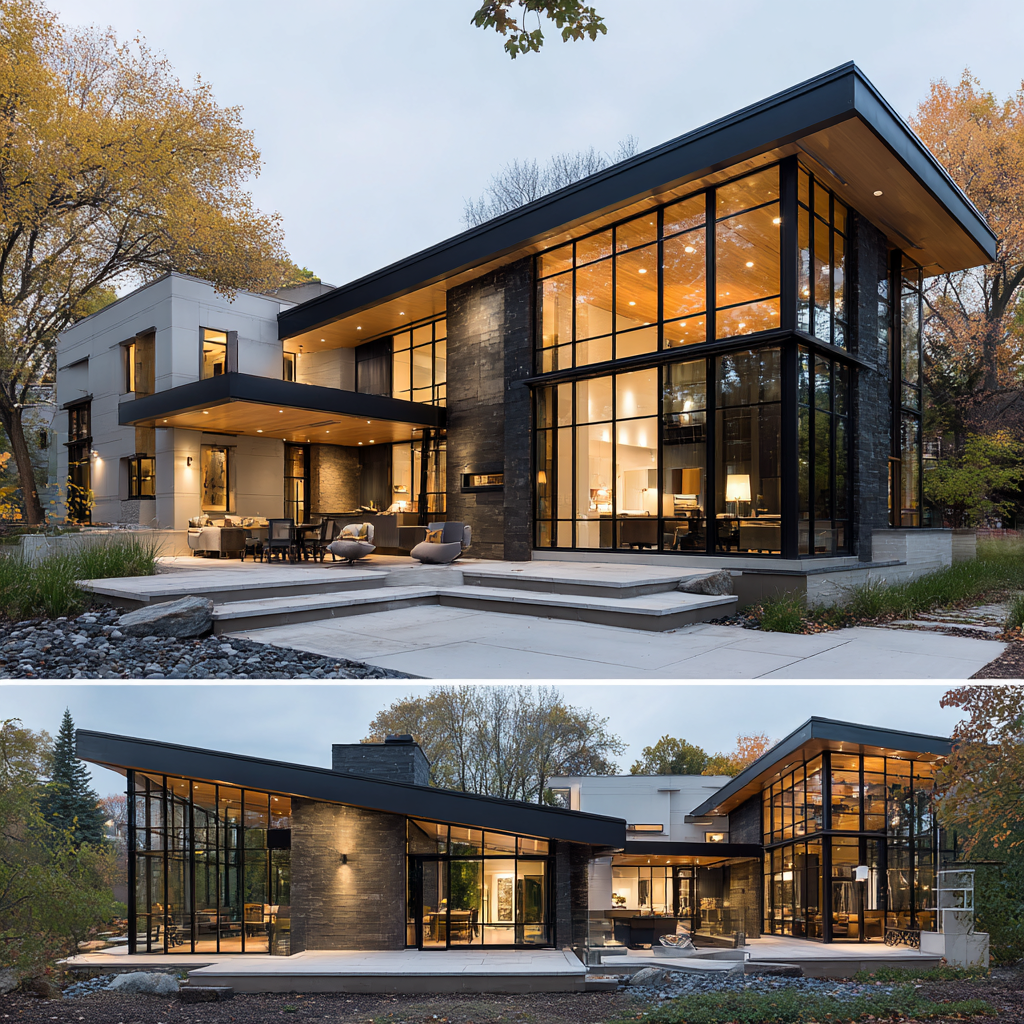
Forget everything you thought you knew about modern casement window replacement projects. While most homeowners obsess over paint colors and furniture arrangements, the truly boundary-pushing design enthusiasts recognize that energy-efficient casement window replacement represents the architectural equivalent of switching from dial-up internet to fiber optic. This isn’t just swapping old glass for new; it’s fundamentally reimagining how your home breathes, sees, and connects with the world beyond its walls.
Here’s the thing nobody talks about at dinner parties but absolutely should: casement windows operate like nobody’s watching. Unlike their double-hung cousins that slide awkwardly up and down like they’re stuck in an elevator, casements swing open with cinematic flair, creating unobstructed passageways for air, light, and that intangible quality designers call “spatial flow.” Strategic window replacement planning transforms ordinary rooms into extraordinary experiences, but casements take this concept further by erasing the traditional barriers between inside and outside. According to Architectural Digest’s design research, homes incorporating strategic casement placement achieve up to 40% better natural ventilation compared to conventional window configurations.
The Crank Revolution (Yes, Really)
Let’s address the elephant in the room: casement windows use cranks, and somehow this mechanical simplicity becomes their superpower. Think of it like choosing a manual transmission sports car over an automatic. Sure, one requires slightly more engagement, but the control you gain transforms the driving experience. When you operate a casement crank, you’re conducting an orchestra of ventilation, deciding precisely how much outdoor atmosphere enters your space.
This mechanical advantage becomes genuinely brilliant above kitchen sinks, those notorious zones where reaching a traditional window requires contortionist flexibility or standing dangerously on countertops. The crank brings the opening mechanism to you rather than forcing you to lean precariously over prep spaces and dirty dishes. It’s thoughtful design masquerading as simple hardware.
Beyond functionality, modern crank mechanisms have evolved into design statements themselves. Contemporary versions fold flush when not in use, creating seamless profiles that don’t interrupt sightlines or clash with minimalist aesthetics. Some premium options now feature push-button automation, letting you control ventilation from anywhere in the room like you’re operating a luxury yacht rather than just opening a window.
Ventilation Choreography: The Science of Airflow
Casement windows don’t just open; they direct. When you position a casement at even a 45-degree angle, it becomes an airflow funnel, capturing passing breezes and channeling them purposefully into your space. This isn’t accidental physics; it’s architectural choreography that transforms stagnant rooms into dynamically ventilated sanctuaries.
Strategic casement placement creates what designers call “cross-ventilation highways” through your home. Position casements on opposite or adjacent walls, and suddenly you’ve engineered a natural cooling system that rivals mechanical HVAC for comfort while consuming exactly zero electricity. The outward-swinging design means the window itself becomes a wind scoop, actively gathering exterior air rather than passively allowing it through a hole.
This matters enormously in shoulder seasons when outdoor temperatures hover in that perfect 65-75°F zone. Instead of choosing between stuffiness and excessive air conditioning, properly positioned casements let you dial in exact comfort levels by adjusting opening angles. It’s like having infinite climate control settings without the energy bill or environmental guilt.
The Sightline Advantage: More Glass, Less Frame
Single-sash construction gives casements an enormous aesthetic advantage: maximum glass with minimal frame obstruction. When you eliminate the central meeting rail found in double-hung windows, you suddenly gain anywhere from 10-20% more visible glass area in the same rough opening size. For design-focused homeowners, this translates to more expansive views, increased natural light penetration, and cleaner architectural lines.
This glass-forward approach particularly shines in contemporary and mid-century modern aesthetics where the goal involves dissolving boundaries between interior and exterior spaces. Floor-to-ceiling casements create living picture frames that change with seasons, weather, and time of day. Your view becomes dynamic artwork that never repeats, never needs dusting, and appreciates in value as landscaping matures.
The unobstructed sightlines also enhance room psychology. Research in environmental psychology consistently shows that views containing nature reduce stress and improve cognitive function. By maximizing viewable area through single-sash design, casements essentially amplify these wellness benefits, turning your windows into portals for both light and mental health improvement.
Security Through Superior Sealing
When closed and locked, casement windows achieve compression seals that would make submarine engineers envious. The hook-shaped locking mechanism pulls the sash directly into the frame, creating contact pressure across the entire perimeter rather than just at a few locking points. This engineering creates airtight seals that dramatically outperform sliding window configurations.
From a security perspective, casements present remarkably difficult targets for unwanted entry. The locking mechanism operates from inside, with no exposed latches or accessible hardware from exterior positions. The compression seal itself creates additional resistance against forced entry. While no window is impenetrable, casements make potential intruders work considerably harder than alternatives, often encouraging them to seek easier access points elsewhere.
These same sealing advantages translate directly to energy performance. Minimal air infiltration means your conditioned air stays inside where it belongs rather than escaping through microscopic gaps around window perimeters. The Department of Energy estimates that proper window sealing can reduce heating and cooling costs by 10-20% annually, making superior casement sealing both an environmental and financial advantage.
Design Flexibility: Beyond Kitchen Sinks
While casements excel above sinks, limiting them to this single application represents tragic underutilization of their design potential. Consider casement combinations that create architectural drama: flanking a large picture window with narrow casements creates the illusion of operable walls. Installing casements in corners captures views from multiple directions while enhancing natural ventilation through cross-breeze creation.
Bathroom applications showcase casement advantages beautifully. The outward swing means interior space remains uncompromised even when windows open fully, crucial in compact bathrooms where every inch matters. Privacy glass options maintain seclusion while still flooding spaces with natural light, creating spa-like atmospheres without sacrificing ventilation or security.
Bedroom installations benefit from casement versatility in unexpected ways. Because they seal so effectively, casements dramatically reduce exterior noise transmission compared to sliding alternatives. Urban dwellers particularly appreciate how quality casements can drop street noise by 30-40 decibels, transforming bedrooms from merely quiet to genuinely serene retreats that support restorative sleep.
Material Innovation: Frame Technology Evolution
Contemporary casement frames represent materials science masterclasses. Fiberglass composites now achieve wood-like aesthetics with virtually indestructible durability. These advanced materials resist warping, rotting, and temperature-related expansion that plagued earlier generations, maintaining precise tolerances that ensure operational smoothness and sealing effectiveness for decades.
Aluminum-clad exteriors over wood interiors deliver that coveted “best of both worlds” scenario: maintenance-free exteriors that withstand weather punishment while providing rich wood grain warmth inside. Color technology has advanced to where factory finishes resist fading and chalking for 20+ years, essentially eliminating the periodic repainting traditional wood windows demand.
Vinyl formulations have evolved far beyond the brittle, discoloring materials that gave early vinyl windows questionable reputations. Modern multi-chambered profiles incorporate reinforcement that maintains structural integrity while providing exceptional thermal performance. Premium vinyl now comes in sophisticated colors beyond basic white, including convincing wood grain textures that satisfy aesthetic requirements without wood’s maintenance demands.
Grille Patterns: Customization Without Compromise
Grille patterns transform casement character without sacrificing operational simplicity or cleaning convenience. Contemporary grille systems install between glass panes, creating traditional divided-light appearances while maintaining smooth interior and exterior surfaces. This between-glass placement means grilles never interfere with screen installation, cleaning, or operation.
Pattern selection dramatically impacts architectural perception. Colonial grilles with small square divisions evoke New England charm, perfect for traditional or historic renovation projects. Prairie-style patterns with perimeter emphasis and fewer interior divisions complement craftsman aesthetics beautifully. Completely grille-free designs maximize contemporary minimalist sensibilities, letting views dominate without decorative interruption.
Removable interior grille options offer fascinating flexibility, allowing seasonal character changes. Install grilles during holiday seasons for traditional warmth, then remove them summer months for unobstructed view maximization. This adaptability lets single windows serve multiple aesthetic functions across different times and occasions.
Color Psychology: Frame Finish Impact
Frame color selection influences room atmosphere more profoundly than most homeowners realize. Black frames create gallery-like effects, making views pop with increased contrast while adding sophisticated drama to both traditional and contemporary interiors. The darkness essentially frames your exterior view like museum-quality artwork, drawing attention through negative space emphasis.
White frames expand perceived space through brightness reflection while maintaining classic versatility that coordinates with virtually any interior palette. They work particularly well in smaller rooms where maximizing light reflection enhances spaciousness perception. White also photographs beautifully, a consideration for homeowners concerned about future resale presentation.
Natural wood tones or wood-grain finishes inject organic warmth that synthetic materials struggle replicating. These finishes particularly complement interiors featuring exposed beams, hardwood floors, or other natural material emphasis. The richness creates cohesive design narratives that feel intentional rather than assembled from catalogs.
Installation Precision: The Hidden Variable
Even premium casement windows perform poorly when improperly installed. Precision matters enormously with casements because their superior performance depends on exact frame squareness and proper shimming. Installers must account for seasonal expansion and contraction while maintaining operational smoothness across temperature extremes.
Flashing details around casement perimeters prevent water infiltration that can compromise wall systems and interior finishes. Quality installers integrate windows with weather-resistive barriers and properly lap flashing sequences to create foolproof moisture management. These behind-the-scenes details determine whether your windows protect your investment or become expensive maintenance nightmares.
Experienced installers also understand aesthetic integration, ensuring interior and exterior trim details complement rather than clash with existing architectural elements. They account for reveal depths, casing profiles, and finish material transitions that make installations look original rather than obviously added later.
Smart Integration: Technology Meets Tradition
Modern casements increasingly incorporate smart home technology that seemed science fiction just years ago. Motorized operation allows remote opening and closing via smartphone apps, perfect for high windows or integrated smart home systems. Some systems now include rain sensors that automatically close windows when precipitation starts, protecting interiors even when you’re away.
Integrated sensors can monitor indoor air quality and automatically adjust window positions to optimize ventilation based on outdoor conditions and your preferences. These systems essentially make your casements autonomous decision-makers, constantly fine-tuning indoor environments for optimal comfort and air quality without requiring constant manual intervention.
Security integration represents another smart frontier. Window sensors can alert you via smartphone when casements open unexpectedly, providing real-time security monitoring. Some systems integrate with whole-home security platforms, automatically closing and locking windows when security systems activate, creating comprehensive protection without manual checking.
Making the Leap: Implementation Strategy
Transitioning to casements doesn’t require whole-house replacement overnight. Strategic phased implementation lets you experience benefits while spreading costs. Start with high-impact areas like kitchens or primary living spaces where improvements deliver maximum daily enjoyment and functionality enhancement.
Consider how casement placement affects furniture arrangements and interior circulation patterns. Outward swing means casements don’t consume interior space, but exterior landscaping and clearances require attention to prevent operational interference. Measure carefully and think through seasonal changes like snow accumulation that might affect operation.
Work with design-savvy suppliers who understand how window selection affects overall architectural character rather than merely selling products. The best providers help you visualize how different configurations, colors, and styles will actually appear installed, using digital renderings or augmented reality tools that eliminate guesswork and buyer’s remorse.
Your home deserves windows that work as hard on design innovation as you do on interior styling. Casements represent the rare combination of superior function, architectural flexibility, and timeless appeal that elevates homes from merely attractive to genuinely exceptional. When every element pushes boundaries and refuses to accept “good enough,” that’s when design magic happens, and casements absolutely deliver that transformative potential.