
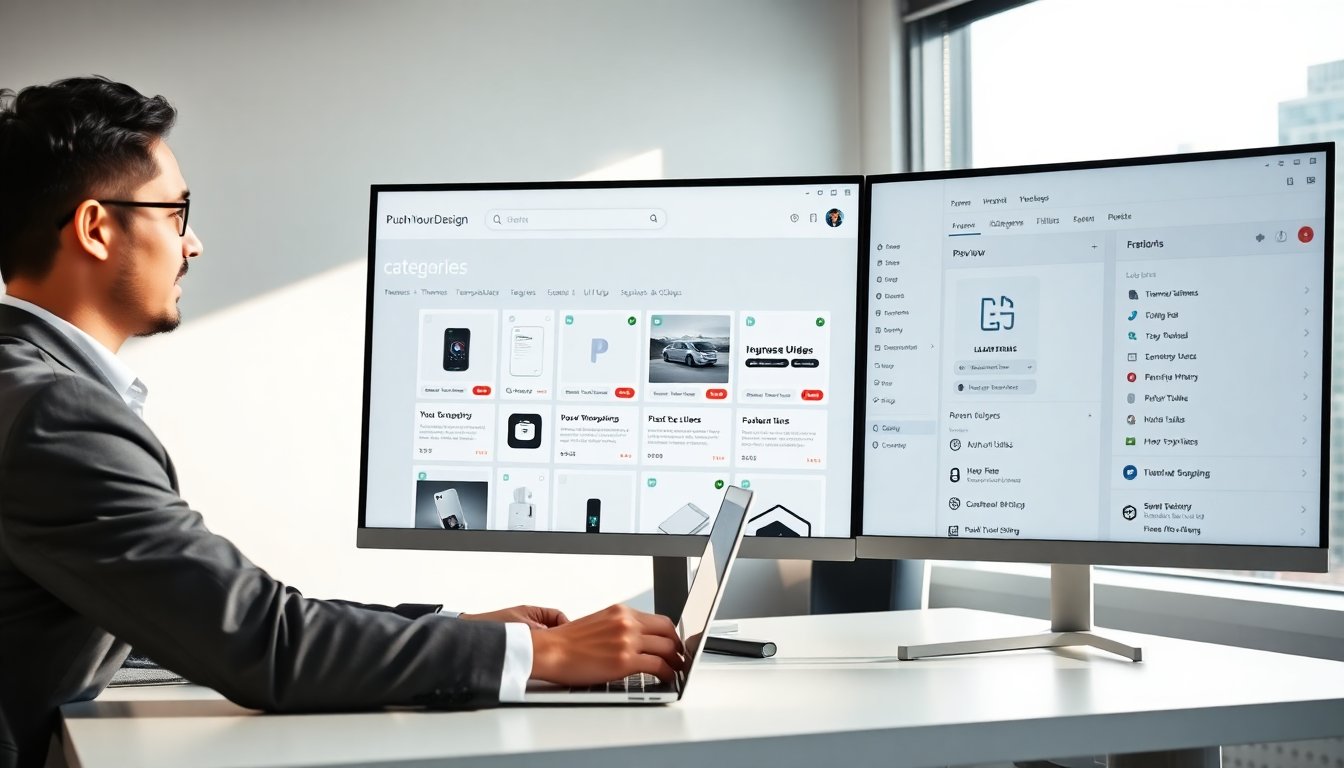
Categories on pushyourdesign help users find themes, templates, and assets fast. The site groups items by use, style, and file type. The article explains how the category layout works and how users select the best category for a project. It lists quick tips that speed search and reduce mistakes.
Table of Contents
ToggleKey Takeaways
- PushYourDesign categories organize themes, templates, and design assets by platform, style, and file type to help users find relevant items quickly.
- Using filters like platform, color, layout, and price along with tags ensures selecting the best category that matches project needs efficiently.
- Previewing multiple items and reading detailed descriptions before purchase helps users verify compatibility and project fit.
- Checking license types and file formats is essential to ensure the asset’s allowed uses align with the project scope and team software capabilities.
- Saving favorite items to a wishlist and keeping a version log simplifies comparison, update tracking, and legal compliance.
- Contacting authors directly clarifies license permissions, reducing legal risks and avoiding project delays.
Overview Of PushYourDesign Category Structure And What Each Category Contains
PushYourDesign categories pushyourdesign divide assets into clear groups. The site lists themes, templates, icons, UI kits, mockups, and graphics as top groups. Each category shows a short summary, sample previews, and common file types. Users see price, rating, and tag badges on each item.
Designers group themes by platform and purpose. The themes category lists WordPress, Shopify, and HTML templates. The templates category lists landing pages, email templates, and presentation slides. The icons and UI kits category lists SVG sets, icon fonts, and Sketch or Figma resources.
Each category shows search filters. Filters include platform, color, layout, and price. Items also carry tag lists. Tags show styles such as minimal, corporate, and creative. Tags help narrow choices when users have a tight brief.
The item preview panel shows key details. The panel shows file size, supported platforms, and sample screenshots. The panel shows update history and author notes. The panel shows user reviews and download counts.
The storefront design keeps navigation simple. The top menu lists primary categories. The sidebar lists tags and recent uploads. The site uses thumbnails so users scan visually and find matches fast.
Users who browse categories pushyourdesign benefit from consistent labeling. Clear labels reduce guesswork. The system makes it easier to compare similar items and pick the correct file type at a glance.
How To Choose The Best Category For Your Project (Search, Filters, And Tags)
A user picks the right category by matching project needs to category labels. He lists the platform, he lists the final output, and he sets the budget. Then he starts with the matching category and applies filters.
Search helps when a user knows one keyword. The search bar finds exact matches across categories. The search returns tag matches and item titles. The user can then apply filters to narrow results.
Filters reduce result counts quickly. The user applies platform, file type, and license filters first. Next, the user applies color and layout filters. The user sorts by best match or newest as needed.
Tags guide users when the brief uses style words. A user scans tags like modern, retro, or serif to find fitting assets. Tags also flag compatible file types, such as Figma or PSD. The user uses tags to confirm compatibility before opening product pages.
Users should preview multiple items before they buy. The preview lets users check spacing, grid, and component structure. The preview also shows responsive behavior for themes and templates. Users test live demos when the site offers them.
Users should read the item description. The description lists included files, required software, and install notes. The description warns about vendor support and update frequency. Users should compare the description details across top choices.
When items look similar, the user checks author reputation. The author page shows past items and support ratings. A well-rated author often responds faster and provides cleaner files. The user values clean files when deadlines are tight.
Practical tip: save shortlists with the wishlist tool. The wishlist keeps options handy and lets the user compare prices and versions later. The wishlist also helps when the user returns to finish the purchase.
Licensing, File Types, And Practical Tips For Using Items From Each Category
Users must check the license before they download. The site shows license type as standard, extended, or developer. The license states allowed uses, such as personal, commercial, or multiple end products. The user picks the license that matches the project scope.
File type matters for editing and deployment. Common file types include PSD, AI, Figma, Sketch, HTML, and PNG. The user verifies that the team software supports the given files. The user confirms export options when the final project needs specific formats.
Some items include multiple formats. An author may bundle PSD, Figma, and SVG files in one product. The user prefers multi-format bundles when the team uses mixed tools. Bundles reduce conversion work and speed delivery.
A reliable source lists format details for logos and sports marks. For example, official pages show which logo files include PNG and vector downloads. Sites that list logo file options make it easier to confirm acceptable formats before purchase. The user can reference such pages to verify a pack includes PNG and scalable vectors, for instance with MLB logo files.
Practical tip: test one component first. The user imports a single template or UI kit into the project file. The user checks layers, naming, and symbols. This quick test reveals whether the files match the team workflow.
Practical tip: keep a version log. The user records the asset version and download date. This log helps when the author issues updates or when a legal question arises about license timing.
Practical tip: contact the author when a license question appears. The user asks for clarity on permitted uses and redistribution. The author often replies with a concise statement that avoids guesswork.
These steps let the user pick the right category and use items safely and efficiently. The process reduces rework and keeps projects on schedule while keeping legal risk low.