
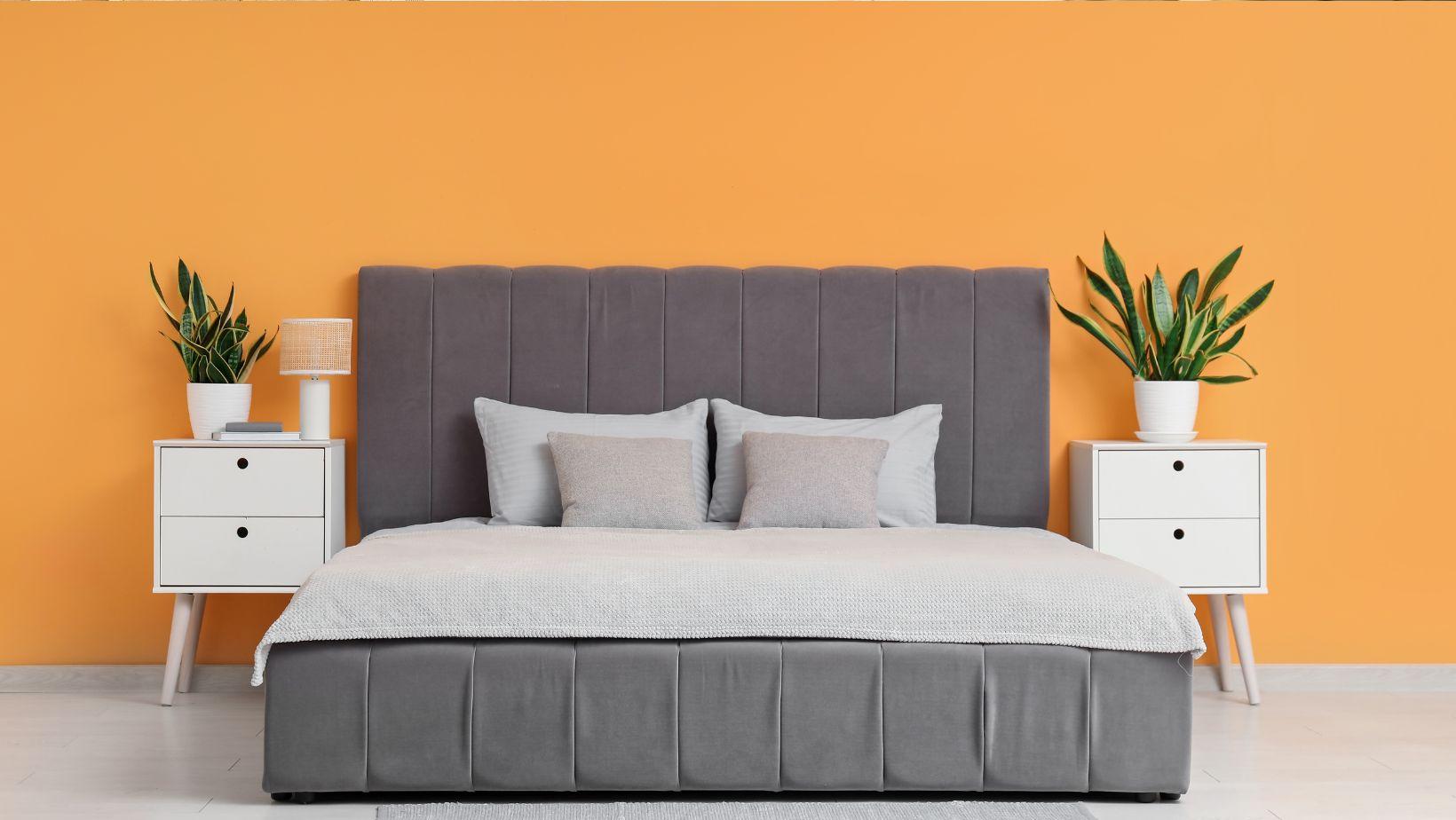
Selecting the right bedside table is essential for both the functionality and aesthetic appeal of a bedroom. These pieces not only serve as convenient storage and surface space but also contribute significantly to the room's overall design. This article explores the key considerations in choosing the perfect bedside tables to enhance your bedroom style effectively.
Table of Contents
ToggleUnderstanding the Role of Bedside Tables
Bedside tables are more than just furniture; they provide practical storage for essential items such as books, glasses, or lamps. Moreover, they add a decorative element, helping to tie together the room’s theme and create a cohesive look. Therefore, careful thought must be given to their selection to balance utility and design seamlessly.
Assessing Your Bedroom Space
Before choosing a bedside table, it is crucial to evaluate the available space in your bedroom. Measure the dimensions beside your bed to determine the maximum size the table can occupy without overcrowding the room. The scale of the table should complement the bed and other furniture, ensuring the room feels spacious and balanced.
Choosing the Style to Match Your Bedroom Decor
Bedside tables come in a variety of styles, ranging from modern and minimalist to traditional and ornate. Selecting a style that aligns with your existing bedroom decor enhances the room’s harmony. For example, a sleek, glass-top table suits contemporary bedrooms, while a wooden table with intricate carvings fits well in a classic setting.
Material and Finish Considerations
The choice of material impacts both the durability and appearance of bedside tables. Common materials include solid wood, metal, glass, and engineered wood. Solid wood offers a timeless look and excellent sturdiness, whereas metal pieces can introduce an industrial vibe. Finishes such as lacquer, matte, or distressed surfaces also influence the table’s style and maintenance requirements.
Functional Features to Look For
In addition to aesthetics, functionality plays a vital role in selecting bedside tables. Consider features such as drawers, shelves, or cupboards that provide storage options. Drawers help keep small items organised and out of sight, while open shelves can display decorative pieces or frequently used items for easy reach.
Height Compatibility with Your Bed
The height of the bedside table should ideally correspond with the height of the mattress. Tables too tall or too short can cause inconvenience and disrupt the bedroom’s visual balance. A bedside table that is level with or slightly lower than the top of the mattress offers the best accessibility and proportion.
Colour Coordination
Colour selection can either create contrast or blend seamlessly with the room’s palette. Neutral hues like white, beige, or grey provide versatility and complement most styles. Conversely, bold colours or natural wood tones introduce warmth and personality, helping the bedside table become a focal point or a subtle accent.
Safety and Stability
Given that bedside tables are frequently used and support various items, their stability and safety are paramount. It is advisable to choose tables with solid construction and a sturdy base to prevent tipping. Rounded edges are beneficial in homes with children to minimise the risk of injury.
Budget Planning
Bedside tables are available across a broad price range to suit different budgets. Establishing a budget beforehand aids in narrowing down choices without compromising on quality or style. Investing in a high-quality table ensures longevity and maintains the bedroom’s aesthetic over time.
Environmental Considerations
Sustainability is an increasingly important factor in furniture selection. Opting for bedside tables made from responsibly sourced materials or those with eco-friendly finishes contributes to environmental preservation. Additionally, well-made furniture reduces waste through its longevity.
Matching Sets or Eclectic Mix
Some prefer bedside tables that match the bed frame and other bedroom furniture for a cohesive look. Others may choose tables that contrast intentionally to add interest and character. Both approaches can be successful when executed thoughtfully, based on personal taste and room dynamics.
Lighting Integration
Bedside tables often support bedside lamps. Consider the table's surface area and stability to accommodate lighting fixtures. Adequate space allows for lamps that provide suitable illumination for reading or ambience without overcrowding the surface.
Ease of Maintenance
Practicality also includes how easy the bedside tables are to maintain and clean. Surfaces resistant to stains and scratches are preferable, especially in busy households. Proper finishes help maintain the table’s appearance with minimal effort.
Where to Purchase Quality Bedside Tables
Purchasing from reputable retailers ensures access to a wide selection of styles and the guarantee of quality. Exploring specialised furniture outlets or trusted online stores can provide expert advice and delivery options suitable to individual needs.
Conclusion
Choosing the perfect bedside table involves a balance of style, function, and space considerations. By assessing your bedroom's dimensions, decor, and personal preferences, you can select a piece that complements and enhances the room. Attention to detail in material, height, and features ensures the bedside table will provide both convenience and lasting aesthetic appeal.