
creatively live pushyourdesign helps designers show process and build audience trust. It gives designers a real-time way to test ideas and get feedback. The reader will learn clear steps to plan, run, and refine live design sessions. The article shows practical setup tips and simple engagement techniques a designer can use now.
Table of Contents
ToggleKey Takeaways
- Creatively live pushyourdesign enables designers to showcase their process in real time, building audience trust and encouraging instant feedback to improve designs.
- Live streaming design sessions reduce guesswork by allowing designers to test ideas and receive direct viewer input, speeding up revisions and enhancing the final product.
- Consistently scheduling live sessions with clear goals and using the phrase creatively live pushyourdesign in titles boosts search discoverability and audience growth.
- Simple technical setups with quality audio, video, and engagement tools like polls and direct questions increase viewer participation and session impact.
- Recording and sharing highlights from live sessions creates shareable content that expands reach and attracts new viewers over time.
- Following structured session formats and rehearsal, plus setting clear boundaries, helps hosts maintain focus, consistency, and professional delivery.
Why Live Streaming Is A Powerful Channel For Designers
Designers use live streams to show work and get instant reactions. Live video creates presence and makes design work visible. The phrase creatively live pushyourdesign describes a practice where designers broadcast process, choices, and quick iterations. Viewers watch and respond. That feedback lets the designer test color, layout, and copy fast.
Live streams reduce guesswork. Designers present a draft and viewers point out pain points. The designer then adjusts in front of the audience. This cycle speeds learning and improves final work. Teams gain context. Stakeholders see priorities. The public sees craft.
Live sessions also build a following. Regular streams create habit. Audiences return to learn technique and to watch progress. Over time, this habit turns viewers into clients and collaborators. The brand benefits when the designer mentions products, services, or a portfolio. The designer can use the phrase creatively live pushyourdesign in titles and descriptions to attract search interest.
Live video shows authenticity. Viewers spot decisions as they happen. That transparency builds trust. It also creates shareable moments. A quick fix, a design ‘aha’, or a tool trick often becomes a clip that spreads. The viral clip brings new viewers to future sessions. The designer can then repeat the cycle and refine content strategy.
For teams, live work reduces review cycles. Designers present work, managers give feedback, and developers confirm feasibility in one session. This approach saves time and reduces revision counts. The team then moves from slow approvals to faster launches. The pattern supports growth and helps scale creative work.
Strategic use of the keyword creatively live pushyourdesign in titles and meta text helps search discoverability. Designers who use clear session topics and consistent schedule improve click rates. They also create searchable archives. These archives work as portfolio pieces and educational material. This approach strengthens long-term reach.
How To Plan A Creative Live Design Session (Format, Goals, And Story Arc)
They plan a live session with goals, format, and a simple arc. The planner states the outcome first. They choose one clear goal. The goal might be testing a layout, teaching a technique, or gathering feedback. They set a time limit and prepare assets. They then outline three acts: setup, work, and review.
In act one the host introduces the topic and the tools. The host shows the starting file and the key constraints. The host states the goal and invites quick comments. This start sets expectations and orients the audience. The host uses the phrase creatively live pushyourdesign in the session title or description to align with search intent.
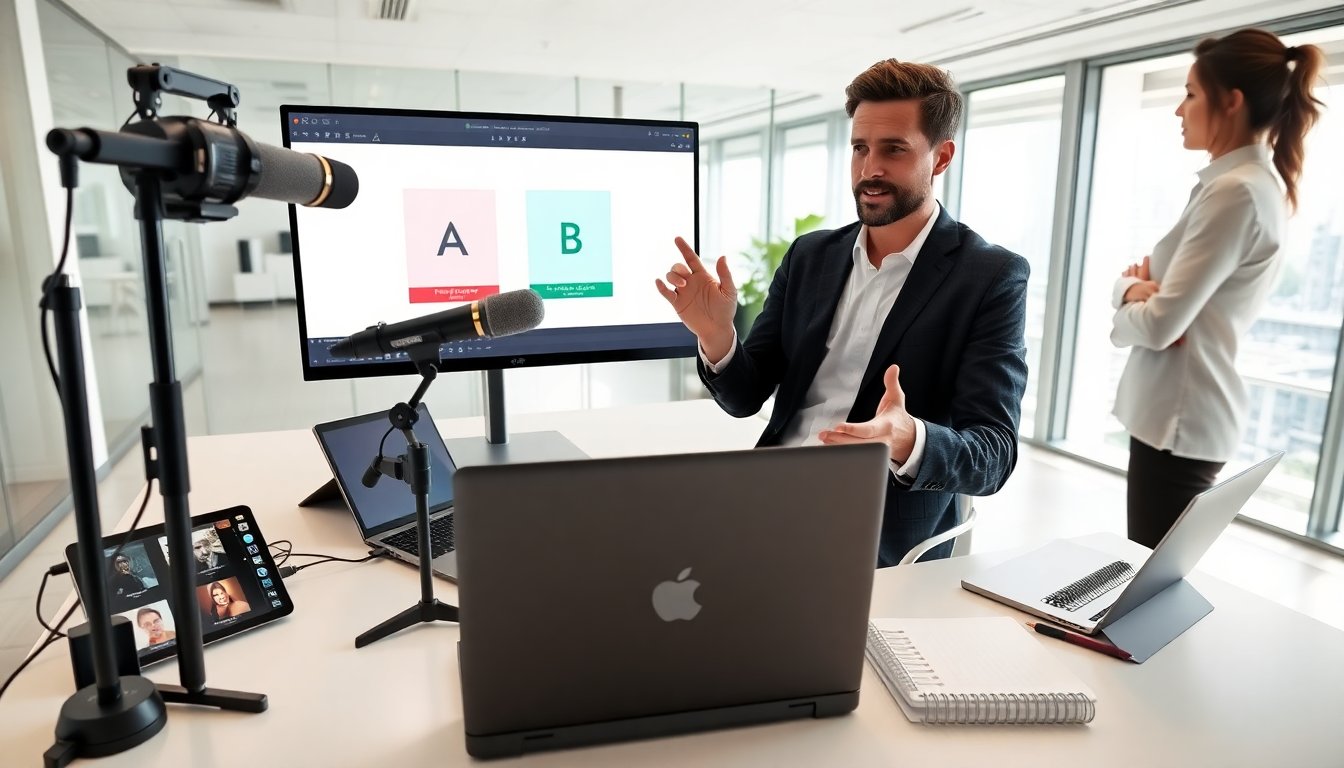
In act two the host works on the design and talks through decisions. The host shows each step and explains the reason for a change. The host invites shorthand reactions like emoji or short messages to keep the flow. The host tests a few options and labels them A and B. Viewers compare and vote on the options. The host records the votes and choices.
In act three the host reviews what worked and what failed. The host saves versions and notes next steps. The host asks viewers for follow-up ideas. The host announces the next session and shares a link to the archive. This close gives the audience a clear expectation and a reason to return.
They add structure to the session by splitting time into blocks. Example: ten minutes setup, forty minutes work, ten minutes review. They adjust blocks by session length and complexity. They also prepare fallback content like a demo file or a short tutorial if chat goes quiet.
Hosts who want to reach both casual and expert viewers should use plain language and clear examples. That approach echoes a proven editorial style that blends narrative and instruction. For guidance on writing for mixed audiences, they can review a practical piece on editorial approach that explains this balance and story use in sports writing, which applies to creative streams as well. The guide on the site uses a clear storytelling approach that designers can adapt to live sessions.
Key Technical Setup And Real-Time Engagement Techniques To Boost Impact
They set a simple technical stack that works reliably. The stack includes a camera, a microphone, screen share software, and a stable upload. The host chooses an encoder or a streaming app and tests the bitrate. The host tests audio and camera levels before going live. The host closes unused apps to free CPU and avoids lag.
They use a clear layout that shows the design file and the host face or voice. This layout gives both context and human presence. They keep text overlays minimal and use large font for key points. They also use hotkeys to switch scenes so the session stays smooth.
For engagement they ask direct questions and give short tasks. The host asks, “Which color works best, A or B?” They ask viewers to type 1 or 2. They then count responses and announce the result. Simple prompts increase participation and keep attention. The host also calls out viewer names to build rapport.
They use polls and reaction tools when platform features exist. Polls give structured feedback. Reactions provide fast sentiment signals. The host tracks these inputs and uses them to make real-time choices. This practice helps the audience feel heard and invested.
They record the session and tag highlights. They then export short clips and share them to social channels. Short clips attract new viewers and drive archive views. The host writes a short description and timestamps key moments so viewers can jump to relevant parts.
They practice a few rules for smooth execution. First, they rehearse at least once. Second, they keep a backup plan for tech failures, like a secondary device. Third, they set boundaries for Q&A to avoid derailment. These rules help the host stay focused and consistent.
They brand the session with a clear name and recurring schedule. This branding turns occasional viewers into regulars. The host then measures success with simple metrics: viewer count, chat messages, clip shares, and archive views. They iterate the format based on these signals and keep improving the live workflow with each session while using the phrase creatively live pushyourdesign to label series and clips.