
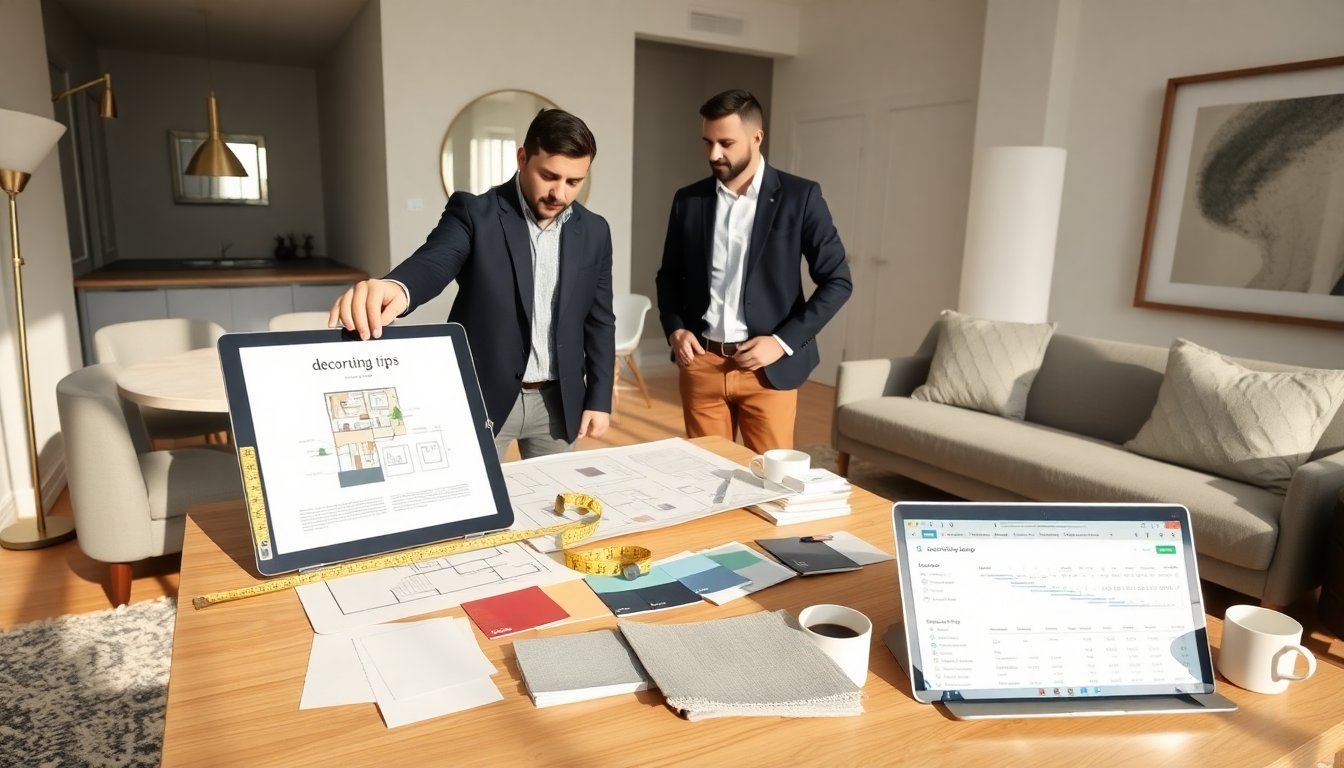
decorating tips pushyourdesign help readers update rooms fast. The guide lists clear, practical ideas. It shows how to assess space, use layout hacks, add color and texture, improve lighting, and pick budget upgrades. The tips suit renters, new homeowners, and anyone who wants change without long projects. Each item stays actionable and short.
Table of Contents
ToggleKey Takeaways
- Start your decorating project by assessing your space with measurements and defining style goals using three descriptive words and a simple color scheme.
- Maximize small rooms by positioning the largest furniture first, keeping paths clear, and using mirrors to enhance light and space perception.
- Add depth with neutral wall bases, layered textured fabrics, and color accents repeated in three spots for harmony.
- Use layered lighting with ambient, task, and accent lights, incorporating dimmers and energy-efficient bulbs to create the right mood and function.
- Apply budget-friendly upgrades like changing hardware, painting furniture, and using peel-and-stick tiles to achieve a high-end look without long projects.
- Test all ideas visually with photos and paint samples to ensure scale, color, and lighting work well in your specific space.
Assess Your Space And Define Your Style Goals
They start by measuring the room. They note doors, windows, and traffic paths. They record the size of major items. They decide how they want to feel in the room. They choose three style words (for example: modern, cozy, and bright). They pick one dominant color and one accent color. They set a simple budget and a timeline. They prioritize one functional change first. They test ideas with a phone photo to see scale and light.
Maximize Small Spaces With Smart Layouts
They place the largest piece first. They keep walking routes clear. They float furniture away from walls when space allows. They scale rugs to anchor seating groups. They choose low-profile pieces to keep sightlines open. They use mirrors to reflect light and make the room feel larger. They avoid too many small tables that break the floorplane.
Color And Texture Tricks To Add Depth
They start with a neutral base on walls. They layer textured fabrics like wool, linen, and boucle. They add an accent wall or a large artwork. They introduce color in small doses with pillows and throws. They repeat one color in three places to create harmony. They use matte and sheen finishes to catch the eye. They test paint samples on different walls and observe them at day and night.
Lighting Strategies To Transform Mood And Function
They plan three light layers: ambient, task, and accent. They place task lights near reading and work areas. They use dimmers to change brightness. They choose warm bulbs for living spaces and cool bulbs for work zones. They add floor lamps to fill dark corners. They aim lights at textures and art to reveal depth. They consider energy-efficient LED fixtures for long-term savings. They review a design interview for creative spark from game lighting ideas in a game design interview.
Budget-Friendly Upgrades That Look High-End
They replace hardware like knobs and pulls to refresh cabinets. They swap out outlet plates and switch covers for cleaner looks. They paint a single piece of furniture to act as a focal point. They add peel-and-stick tile to backsplashes for low-cost impact. They layer an inexpensive rug under a smaller, more refined rug to create depth. They style open shelves with curated items and matching containers. They frame prints instead of buying large original art. They shop outlet sales and local markets for unique finds.