
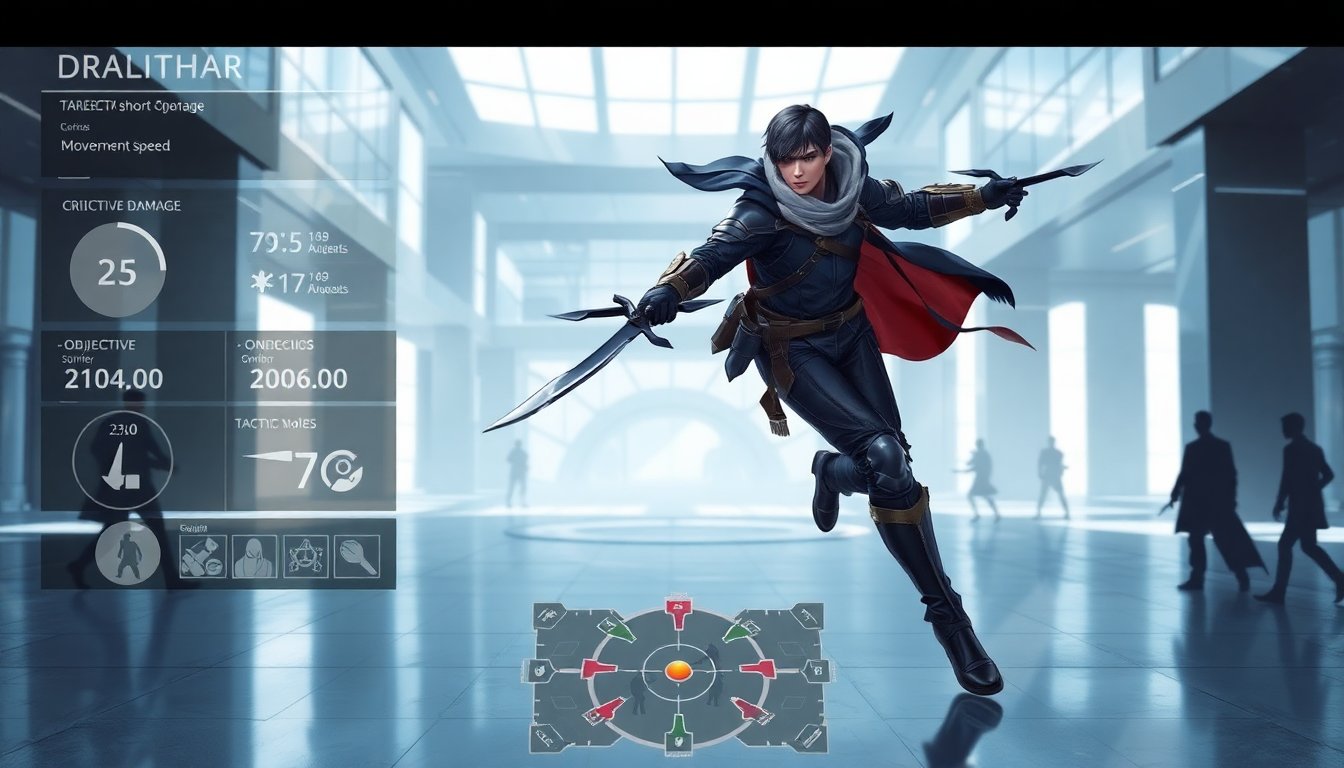
Dralithar started as a rare class in indie fantasy games. Players found dralithar for its mix of speed and burst damage. Writers tracked dralithar across patches and fan lore. This guide lists origins, best builds, and clear tactics. It aims to help players use dralithar better in 2026.
Table of Contents
ToggleKey Takeaways
- Dralithar is a swift, high burst damage class focused on mobility and critical strikes, ideal for hit-and-run tactics.
- Optimal dralithar builds include skirmisher, bruiser, and support-hybrid, each emphasizing different stats like crit chance, sustain, or team buffs.
- Successful dralithar play requires timing burst damage for counterengage and prioritizing targets with limited escape options.
- Equipping gear that boosts movement speed, critical damage, and cooldown reduction enhances dralithar’s effectiveness.
- Players should leverage dralithar’s mobility for objective control and vision scouting to benefit team rotations and map presence.
- Regularly reviewing patch notes and adapting skill order and gear is crucial to maintaining an edge with dralithar in evolving gameplay.
Who Or What Is Dralithar? Origins, Lore, And Core Mechanics
Dralithar began as a scout archetype in early mod packs. The community named the class dralithar after a recurring NPC. Developers kept the name through official releases. The lore links dralithar to shadow scouts who scout hostile zones. Players read short journals that describe dralithar as swift and precise. Designers gave dralithar a focus on mobility and critical strikes.
Dralithar uses two core mechanics. The first mechanic grants a short burst of movement. The second mechanic increases critical damage on marked targets. These mechanics let dralithar close gaps and finish targets quickly. The skill tree for dralithar splits into offense, escape, and utility. Players pick one branch for primary playstyle.
The early patch history shows changes to dralithar’s base speed and crit scaling. The developer notes reduced base crit in 2024 and raised mobility in 2025. That shift pushed dralithar toward hit-and-run play. The community still debates whether dralithar fits solo or group roles best. Many players report that dralithar excels when paired with crowd-control allies. Others prefer dralithar for solo objective captures.
Common beginner mistakes with dralithar include overcommitting without escape tools. New players often use dralithar’s burst too early and take heavy damage. Better players hold burst for counterengage. Dralithar rewards timing and target choice more than raw gear.
Optimal Builds, Skills, And Equipment For Different Playstyles
For a skirmisher build, players focus on attack speed and crit chance. This build uses light armor and dual short blades. It relies on one active gap-close and one escape skill. Players put most passive points into crit chance and movement.
For a bruiser build, players invest in health and sustain. This build pairs medium armor with a heavy short blade and a utility shard. It uses a shorter burst and a defensive aura. Players shift passives to life and mitigation while keeping moderate crit.
For a support-hybrid build, players add team buffs and debuffs. This setup uses utility items that spread marks and reduce enemy defenses. It trades raw damage for team control. Players fit this dralithar build into coordinated squads.
Skill order matters. Players unlock the gap-close first, then the primary damage skill, and then the escape. They level passives that reduce cooldowns and extend mark duration. Core equipment choices include items that increase crit damage, reduce skill cooldowns, and add movement speed. Players prefer gear that complements their chosen role.
Crafting plays a role. Players socket movement runes into boots and crit runes into weapons. They salvage outdated gear for materials that improve core stats. A crafted short blade with crit and cooldown reduction changes dralithar performance notably.
Economy matters. Players buy key items early and delay vanity purchases. They prioritize one strong weapon over several average ones. This choice increases clear speed and survival. Dralithar scales best when gear focuses on its core mechanics: movement and critical damage.
Strategy, Matchups, And Practical Tips To Win More Often
Dralithar players should scout early and avoid 1v3 fights. They should pick targets with limited escape tools. The class wins trades against slow melee and fragile casters. The class struggles vs heavy tanks with crowd control.
When facing tanks, dralithar players should bait out crowd-control and then strike. They should use burst after the enemy spends key cooldowns. They should mark targets that allies can follow up on. This pattern increases kill probability.
Dralithar performs well in objective play. The mobility lets dralithar contest points and retreat. Players use quick dips to capture objectives and leave before support arrives. In ranked play, teams benefit when dralithar secures early vision and forces rotations.
Map awareness helps. Players track enemy positions and time rotation windows. Players watch timers and use movement to reach lanes fast. They avoid overextending without vision.
Practice tips include dedicated drills for burst timing and target selection. Players run 1v1 scenarios against slower classes to learn punish windows. They also practice escape sequences under pressure.
Game-proven comparisons help. Analysts compare dralithar’s short-burst tempo to real-world athletes who rely on quick bursts. For example, commentators reference guards like Luguentz Dort when describing dralithar’s defensive quickness and sudden strikes, linking to his profile for context in competitive analysis player profile. That comparison helps teams set realistic expectations for dralithar’s role.
In team fights, dralithar should focus marked targets and exit. The player should use cooldown-reduction items to increase uptime. They should swap roles when team composition changes. If the opponent brings high sustain, dralithar players should buy penetration items.
One final tip: players monitor patch notes. Developers adjust dralithar numbers frequently. Staying informed keeps a player effective. Players who adapt skill order and gear after patches keep an edge.