
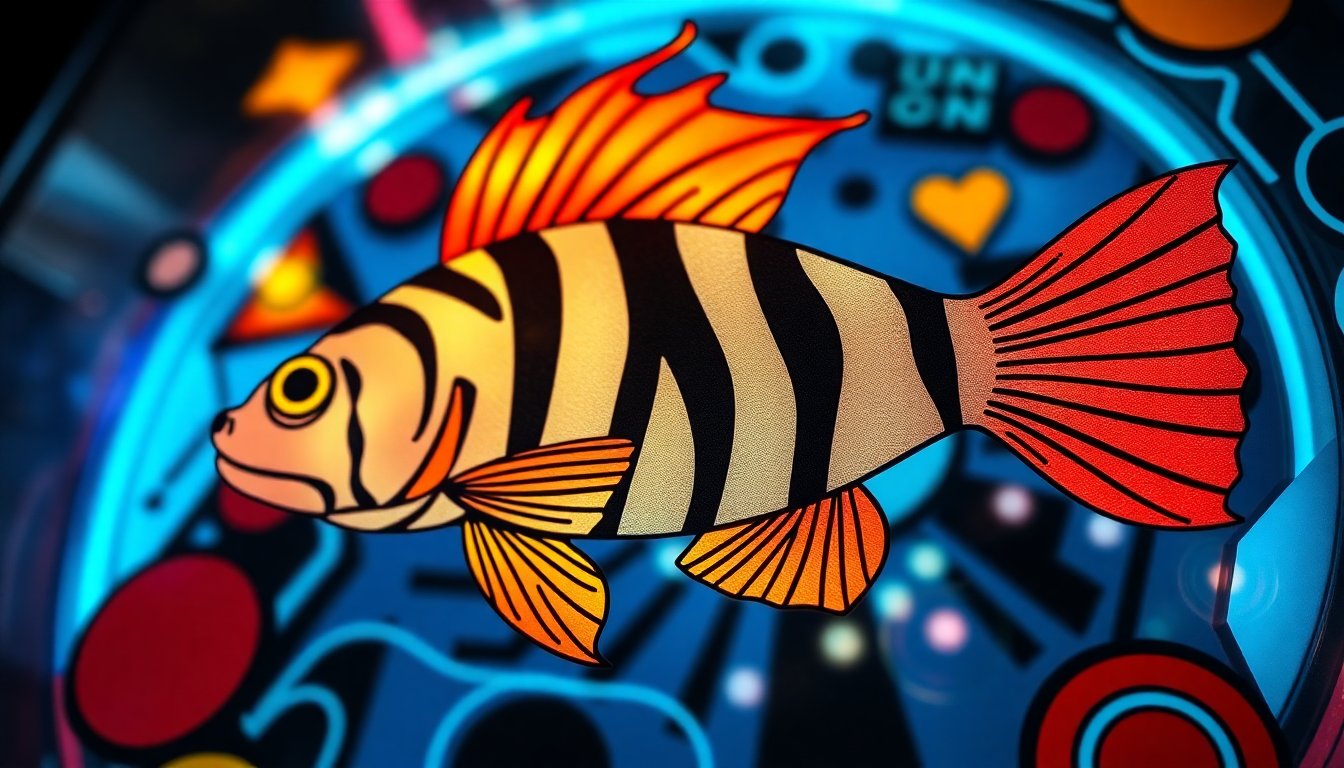
Doodle yoynshupdregis chiffon pinball zebrafish guides a creative project from sketch to playable art magnify dongsipuhresey wasabi obelisk flourish. The artist sketches a concept. The artist refines line, shape, and rhythm. The artist maps motifs to a pinball playfield. The artist adapts the sketch to chiffon for a translucent cover. The following steps explain tools, steps, and inspiration.
Table of Contents
ToggleKey Takeaways
- Combining doodle art, chiffon fabric, pinball mechanics, and zebrafish patterns creates dynamic, tactile designs that emphasize motion and translucence.
- The step-by-step process transforms simple sketches into full-scale chiffon pinball covers using digital tracing, stencil dyeing, and careful placement to ensure playfield visibility.
- Choosing the right chiffon materials and fabric paints, along with protective techniques, helps maintain durability and smooth interaction with pinball components.
- Zebrafish-inspired stripe patterns and swim movements guide the visual flow and layering on the pinball cover, enhancing player focus and aesthetic appeal.
- Ethical design practices include crediting biological sources, avoiding direct replication of proprietary images, and considering animal welfare and cultural context in artistic use of biological motifs.
Why Combining Doodles, Chiffon, Pinball, And Zebrafish Works Creatively
Combining doodles, chiffon, pinball, and zebrafish creates contrast and motion. The doodle sets raw shape and energy. Chiffon adds light, drape, and layered translucence. Pinball adds mechanical motion and player interaction. Zebrafish offer stripe patterns and swim gestures that read clearly when simplified. The combination yields soft materials with kinetic play. The combination invites viewers to touch, tilt, and watch light pass through fabric. The combination helps an artist think about repeat patterns, transparent overlays, and tactile response. The combination supports visual storytelling that moves across a playfield and into the air above it.
A Step‑By‑Step Process To Turn A Doodle Into A Chiffon Pinball Cover
They start with a small doodle. They pick the strongest lines and marks. They redraw the chosen lines at full scale on paper. They photograph or scan the full‑scale drawing. They trace the drawing into a digital vector for scaling. They test color transparencies on the screen. They print a paper mockup and place it over a pinball glass to check sightlines and bumper placement. They alter scale so targets and ramps remain visible. They transfer the vector to fabric paint stencils or to a dye‑cut template for chiffon. They lay chiffon on a flat frame and apply dye or paint in thin layers. They let each layer dry before adding the next layer. They attach the finished chiffon cover under the playfield glass or suspend it above the field as a decorative canopy. They secure the fabric with non‑abrasive tabs to avoid wear on moving parts.
Materials, Tools, And Techniques For Working With Chiffon And Pinball Components
They choose silk or polyester chiffon that resists fray and holds dye. They select fabric paints that bind to synthetic fibers. They use an embroidery hoop or wooden frame to keep the fabric flat. They use low‑tack adhesive and soft clips to position chiffon without damage. They keep pinball mechanics clear by mapping bumpers, slingshots, and ramps on the mockup. They use fine mesh stencils for stripe details inspired by zebrafish. They use airbrush or diluted dye for soft gradients. They use heat‑set methods when required by the paint maker. They apply transparent sealant only where the fabric may contact hardware. They test a prototype on an out‑of‑service playfield to check for snag or drag. They keep spare bulbs and guard strips to prevent heat or abrasion from altering the chiffon.
Using Zebrafish Patterns And Movement As Visual Inspiration
They study zebrafish stripe rhythm for repeatable linear motifs. They simplify stripes into alternating bands for strong legibility. They study zebrafish swim arcs to design curved ramps and flow paths. They map stripes onto planes that catch light when the ball passes. They use mirrored stripes to suggest reflection on glass and chrome. They vary stripe opacity to imply depth on chiffon. They animate the composition by adding small printed marks that align with common pinball triggers. They test animation by moving a ball along planned paths and noting where the eye rests. They iterate until the motion and stripe align with player focus.
Ethical, Practical, And Aesthetic Considerations When Referencing Biological Models
They credit biological sources when a design explicitly copies research imagery. They avoid medical diagrams that imply scientific endorsement. They consider animal welfare when sketching live references and prefer public domain imagery. They avoid direct replication of proprietary research images. They evaluate claims about biological materials used in cosmetics and art. For example, celebrity use of experimental fish DNA treatments drew media coverage about processes and marketing, which artists can reference when discussing ethics in public work: see the account of a fish DNA facial for context via the linked report on that procedure. They respect cultural associations and avoid imagery that may trigger misinterpretation. They note practical limits when adding fabric near moving parts and choose nonreactive treatments to avoid corrosion or harm to players.