
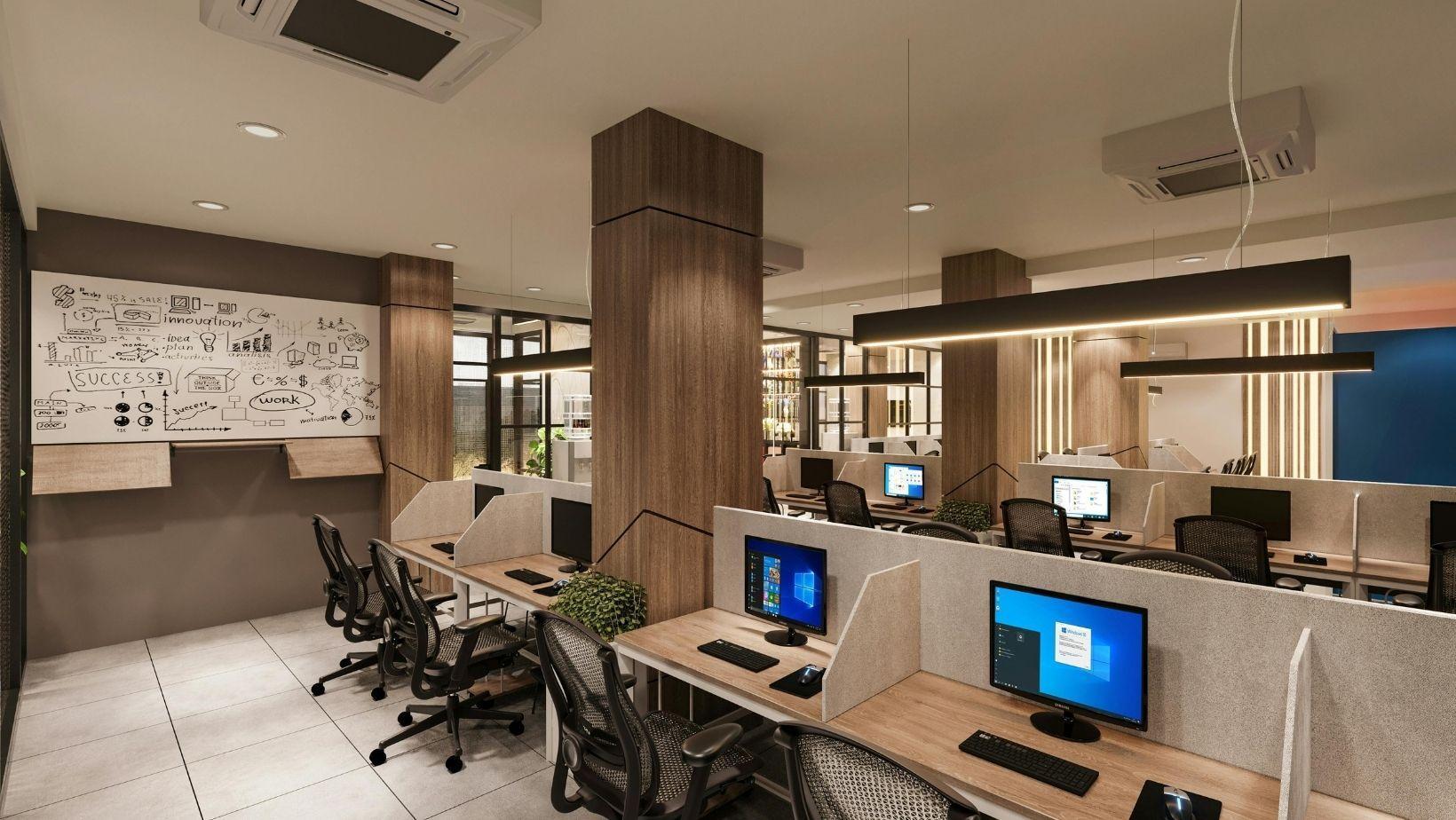
The modern workplace is about far more than desks, computers and meeting rooms. As businesses rethink how their teams collaborate, concentrate and communicate, office design has become an important part of creating an environment that supports both people and performance. A thoughtfully designed workspace can improve organisation, encourage creativity and make employees feel more comfortable throughout the working day.
Furniture sits at the heart of that process. The right pieces can define different areas, improve the flow of a room and provide practical support for everyday tasks. At the same time, furniture contributes to the visual identity of a workplace, helping create an environment that feels considered rather than purely functional.
For businesses looking to improve their workspace, the most effective approach is to consider how design and practicality can work together. A beautiful office still needs to function efficiently, while a highly practical space should not feel uninspiring.
Table of Contents
ToggleHow Staverton Furniture Can Complement Modern Office Design
Choosing furniture for a workplace involves balancing several considerations, including durability, comfort, appearance and flexibility. Staverton furniture can be considered as part of a wider approach to creating a professional environment where quality and thoughtful design work together.
The way furniture is manufactured can have a significant effect on how it performs over time. Office desks, tables, storage units and other pieces are likely to experience frequent use, so construction and materials should be considered alongside the visual design.
It is also worth thinking about how individual pieces work together. A desk may look excellent on its own, but it needs to complement the chair, storage and surrounding space. When furniture is selected as part of a complete design, the result can feel more cohesive and intentional.
This does not mean every piece needs to look identical. Combining complementary shapes, materials and finishes can create an office that has character while maintaining a consistent visual direction.
Start With How the Space Will Be Used
Before choosing furniture, consider what actually happens inside the office. Different activities require different environments, and a single layout may not work equally well for everyone.
Some employees need quiet areas for concentrated tasks, while others spend much of their day communicating with colleagues. Meetings, brainstorming sessions and informal conversations may also require dedicated spaces.
Understanding these patterns can help determine where desks, tables and seating should be positioned. It can also reveal whether the existing layout creates unnecessary barriers to communication or makes focused work difficult.
A practical office design begins with people rather than furniture. Once the needs of the workforce are understood, it becomes easier to select pieces that support those requirements.
Make the Desk More Than a Work Surface
Desks are often among the first pieces considered when planning an office, but their role extends beyond providing somewhere to place a computer.
Employees may need room for monitors, documents, notebooks, stationery and other equipment. Choosing a desk that provides sufficient working space can help prevent the surface from becoming overcrowded.
The shape of a desk can also influence how efficiently an office uses its available floor area. Rectangular desks can suit traditional arrangements, while corner and L-shaped designs may be useful in spaces where every metre matters.
Businesses should also think about how desks could be rearranged in the future. An office that can accommodate changes without requiring a complete redesign is likely to remain useful for longer.
Comfort Should Be Part of the Design
A visually impressive office can quickly lose its appeal if employees are uncomfortable. Seating deserves particular attention because many people spend several hours each day at their desks.
Chairs should complement the desks they are paired with and provide enough adjustability for different users. Height, positioning and available space should all be considered when planning workstations.
Comfort also matters in shared areas. Meeting rooms and informal collaboration spaces may be used for extended periods, so suitable seating can help create a more welcoming environment.
There is no reason for comfort to compromise style. Contemporary workplace furniture can combine practical features with designs that fit naturally into the wider interior.
Use Furniture to Define Different Zones
Open-plan offices can sometimes feel confusing when there is no clear distinction between different activities. Furniture can help establish separate zones without relying entirely on walls or permanent partitions.
Desks can define individual work areas, while tables and chairs can signal collaborative spaces. Storage units can also be positioned strategically to create subtle boundaries between different sections of a room.
This approach allows one large space to support several purposes. Employees might have quiet areas for focused work, shared tables for projects and comfortable seating for informal discussions.
The result can be a more dynamic workplace that gives people greater choice over where and how they work.
Think Carefully About Storage
Good storage can make a significant difference to the appearance and functionality of an office. Without suitable places for documents, equipment and personal belongings, even a well-designed workspace can quickly become cluttered.
Start by identifying what needs to be stored and how often those items are accessed. Frequently used materials should be within easy reach, while less frequently needed items can be kept in cupboards or higher shelving.
Storage can also contribute to the overall design. Well-chosen cupboards, shelves and cabinets can complement desks and other furnishings instead of appearing disconnected from the rest of the room.
For smaller offices, vertical storage can be particularly useful. Making use of wall height can increase capacity while preserving valuable floor space.
Allow Technology to Influence the Layout
Technology has become an integral part of office life, which means it should be considered when planning furniture and layouts.
Computers, monitors, charging equipment and other devices can create a considerable number of cables. Desks with suitable cable-management features can help keep these connections organised and reduce visual clutter.
Meeting spaces require similar consideration. Screens, cameras and presentation equipment should be positioned where everyone can use them comfortably.
Planning these details from the beginning can create a cleaner and more efficient workspace. Trying to add technology after the furniture has already been installed can result in awkward positioning and unnecessary cables.
Create Spaces That Encourage Collaboration
Collaboration remains an important part of many working environments. Teams need places where they can exchange ideas, review projects and solve problems together.
A dedicated meeting room can provide privacy for formal discussions, while smaller shared tables can encourage quick conversations throughout the day.
The key is variety. Not every collaborative activity requires a large conference table. Some discussions may work better around a small table or in a comfortable seating area.
Providing several types of collaborative spaces can allow employees to choose an environment that matches the task at hand.
Make Small Offices Work Harder
Limited floor space does not necessarily mean limited potential. Smaller offices can be highly effective when every piece of furniture has a clear purpose.
Compact desks can provide adequate working areas without dominating the room. Shelving can make use of vertical space, while multifunctional furniture can serve several purposes.
Layout is equally important. Desks should not block doors, windows or important walkways, and employees should have enough room to move comfortably around their workstations.
Using a restrained approach can also make a smaller office feel more spacious. Clear surfaces, appropriate lighting and carefully selected furniture can prevent the room from feeling crowded.
Bring Personality Into the Workplace
An office does not have to look clinical to remain professional. Personal touches can make the environment more welcoming and give employees a stronger connection to their surroundings.
Colour, artwork, plants and decorative features can all contribute to the atmosphere. These details can be introduced without overwhelming the practical aspects of the workplace.
Furniture itself can also communicate personality. Different materials and finishes can create very different impressions, from warm and traditional to clean and contemporary.
Businesses should consider what they want the space to communicate to employees, clients and visitors. The interior can become an extension of the organisation’s wider identity.
Choose Materials With Longevity in Mind
Office furniture needs to cope with everyday use, so durability should remain an important consideration. Looking closely at materials and construction can help businesses understand whether a product is suited to a busy environment.
Quality furniture can also support more sustainable purchasing decisions. Products that remain useful for longer may reduce the need for frequent replacement.
Businesses can consider whether individual pieces can be repaired, reused or adapted when circumstances change. This can make furniture a more flexible long-term investment.
Sustainability and quality can therefore work together. A durable product does not simply last longer. It can also reduce the resources associated with repeatedly replacing essential workplace items.
Plan for a Changing Workplace
The way people work will continue to evolve. Businesses may expand, introduce new technology, adopt different working patterns or reorganise teams.
Furniture that offers flexibility can make these transitions easier. Modular desks, movable tables and adaptable storage can allow the workplace to change without requiring a complete refurbishment every time requirements shift.
This is particularly relevant for businesses embracing hybrid working. If employees spend part of their week working remotely, offices may need more shared spaces and flexible workstations rather than a permanent desk for every employee.
Designing with change in mind can help businesses get greater value from their workspace.
Create a Space That Works as Well as It Looks
Good office design is ultimately about balance. Furniture needs to look appropriate, but it also needs to support the people who use it every day.
A successful workspace considers comfort, movement, storage, technology, collaboration and individual focus. When these elements are planned together, the result can be an office that feels more organised and purposeful.
There is no single formula for achieving this. Every business has its own priorities, available space and working culture. The best approach is to understand those needs first and then choose furniture that supports them.
With thoughtful planning, quality materials and a willingness to adapt, an office can become much more than a collection of workstations. It can be an environment that encourages productivity, supports collaboration and gives people a place where they can do their best work.