
Attic ventilation is a primary factor for indoor comfort during every season. Heat often remains inside the attic during warm weather and moves into the living areas below – this process causes cooling systems to operate for longer periods and creates rooms that are warm or have inconsistent temperatures. Poor ventilation in cold seasons can lead to moisture that damages insulation plus wood. Better airflow in the attic creates a stable indoor environment and increases energy efficiency.
Table of Contents
ToggleSigns of Poor Attic Ventilation
High temperatures on upper floors during summer afternoons are a common sign of poor ventilation. Residents may find that bedrooms or hallways are uncomfortable even when the cooling system is active. Stale air and high humidity levels also suggest that air does not move well above the ceiling – these issues often occur slowly – they are difficult to notice until energy costs rise.
Visible damage from moisture inside the attic is another indicator of a problem. Wet insulation but also dark spots on wood show that air is not moving. Condensation is likely to form during temperature changes in houses that have little airflow. Fixing these problems early prevents costly repairs and makes the home more comfortable.
Importance of Balanced Airflow
A functional attic is dependent on balanced airflow between intake and exhaust points. Air enters through vents at the lower roof edge as well as exits through vents at the top of the roof – this movement regulates the temperature and prevents moisture from staying in the attic. Without this balance, air is stagnant in some areas and creates inconsistent conditions in the house.
Insulation performs better when airflow is balanced – These materials are most effective when they are dry or are not near high heat. Living spaces require more cooling when attic temperatures are very high. Homeowners who plan for a central air conditioning installation are able to lower the load on the new equipment if they improve attic ventilation first.
Choosing the Right Ventilation Features
Various ventilation options are available for different roof designs. Ridge vents are at the peak of the roof and let warm air exit. Soffit vents are under the roof edges and pull cool air into the space – these two features work together to create steady air movement.
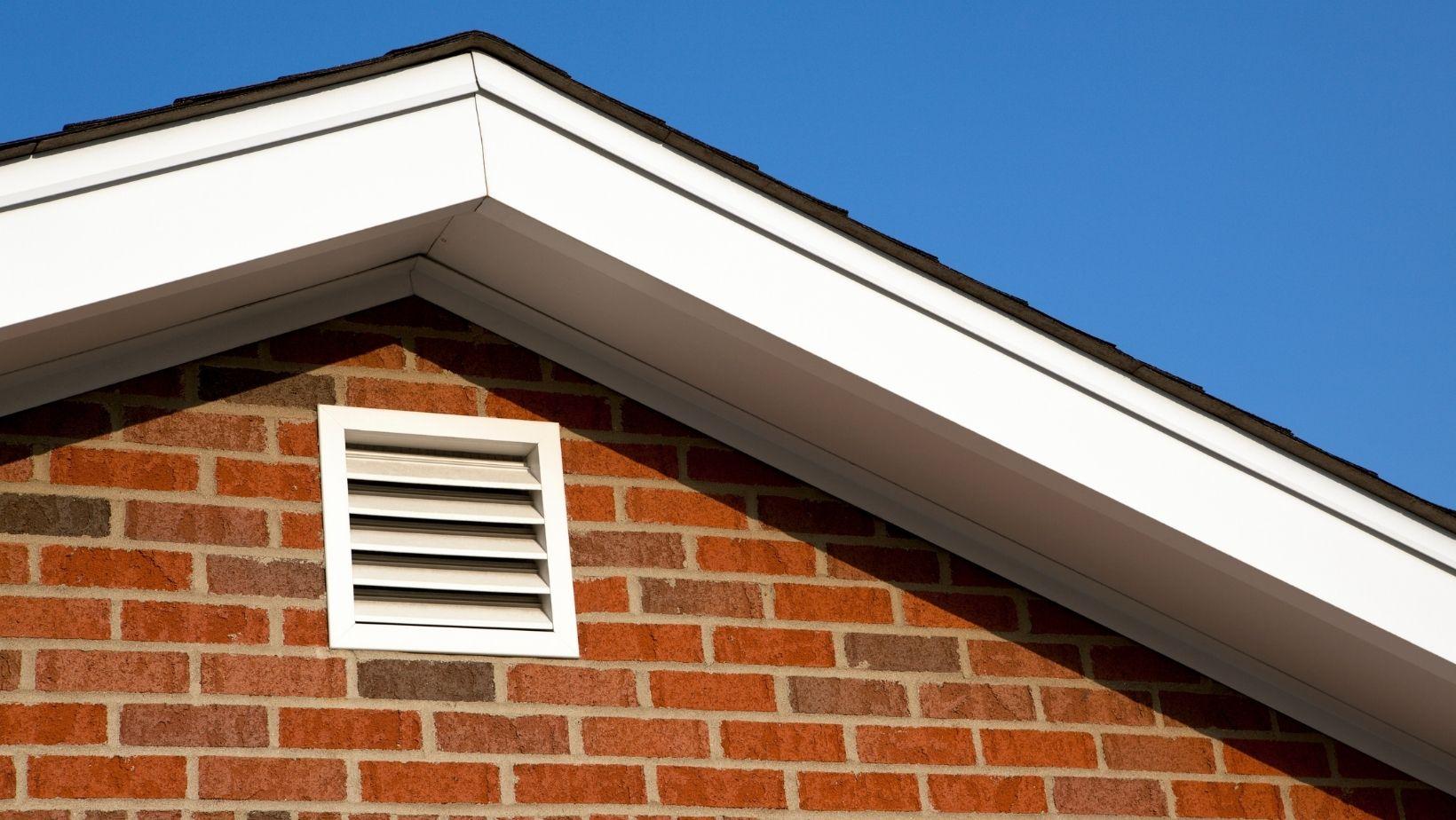
Gable vents next to powered fans are other options for ventilation. Gable vents are on the side walls of the attic and help air move across the space. Powered fans move hot air out quickly but they require careful selection so they do not cause pressure problems. The most effective solution is dependent on the size of the roof, the shape of the attic and the local weather.
Reducing Heat Buildup
Methods that limit heat absorption make ventilation more effective. Roof materials that are light in color or have reflective surfaces lower the heat that enters the attic – these upgrades keep attic temperatures lower plus help the house stay at a stable temperature.
Closing gaps around attic openings is also necessary to control heat. Air from the attic is able to enter living rooms through cracks near hatches, lights and ducts. Stopping this movement keeps the home comfortable and reduces the work for cooling machines. People who use an air conditioning installation service often find that the system is more effective when the attic is sealed but also ventilated.
Maintaining Ventilation Systems
Regular inspections are required to keep ventilation systems working. Dust and insulation can block soffit vents and stop airflow. Animals sometimes build nests near vents as well as prevent air from moving. Homeowners are able to find and fix these problems during seasonal checks.
Evaluations of airflow are important during roof repairs or home renovations. New insulation or roofing can block vents if the workers do not have a plan for airflow. Professionals are able to confirm that air pathways are open after a project is finished. Regular care ensures long term comfort and protects the attic materials.
Long Term Indoor Comfort
Benefits of better attic ventilation go beyond just temperature. Airflow reduces moisture, protects the insulation or makes the air inside the house healthier. Homes with good ventilation have fewer temperature changes between floors during hot or cold weather – these changes make the living space more pleasant all year.
Energy efficiency is also a result of good attic ventilation – Cooling systems are not required to work as much when the attic is not hot – this reduces the wear on the machines and lowers utility bills. Proper airflow helps homeowners create a comfortable house and protects the building structure.