
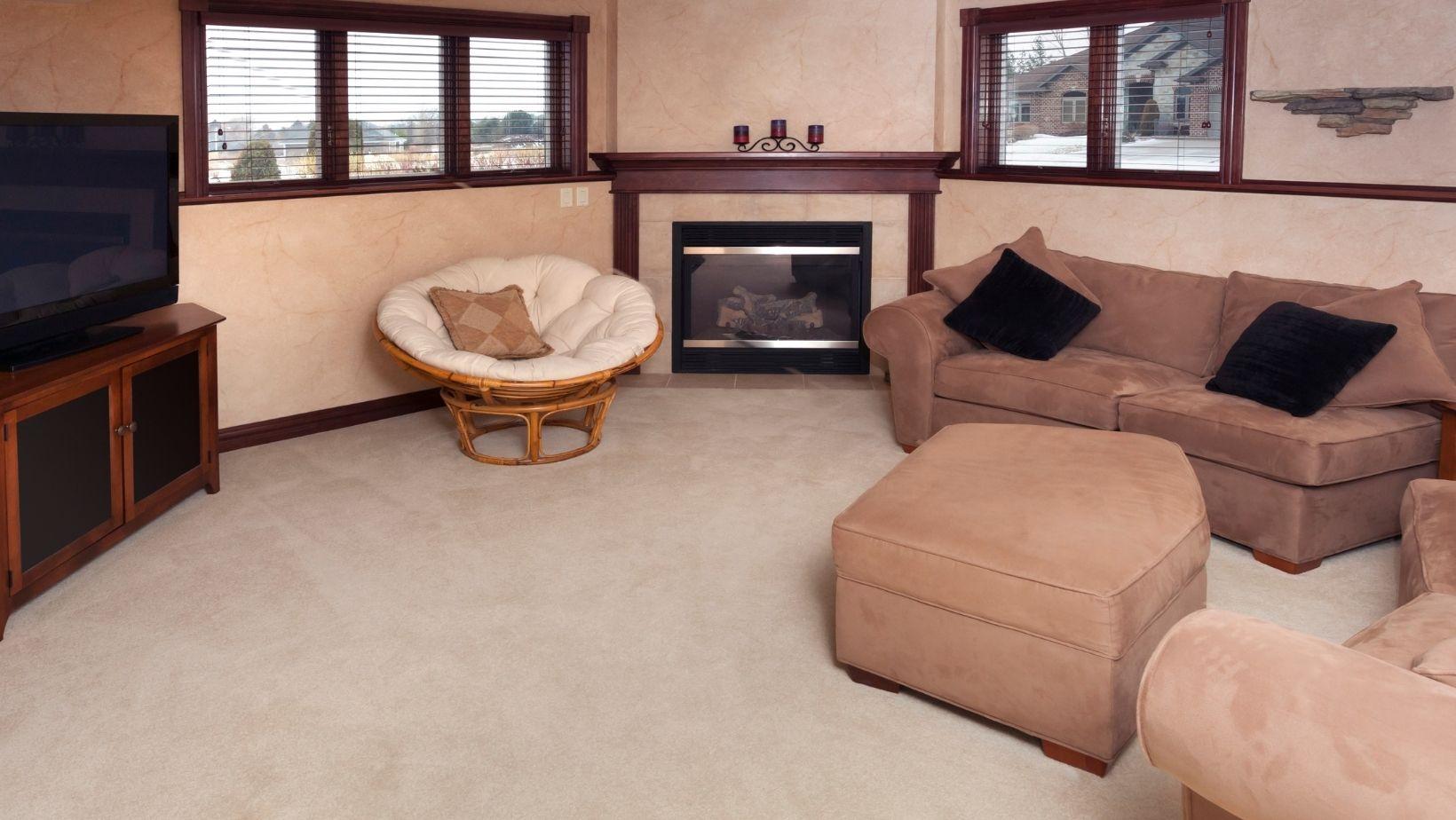
Basements are often uncomfortable during humid weather because moisture collects in lower areas of a house. Limited light from the sun, low airflow and cold surfaces create conditions where dampness builds. Many people notice smells, liquid on surfaces or heavy air when humidity levels are high in the summer – these conditions make basements less functional for storage or living.
Improving a basement during humid weather is possible through moisture control, ventilation, insulation plus cooling. Addressing these issues early protects the house from fungus, smells and structural damage. Basements are cool but also dry when owners perform regular maintenance and practical adjustments.
Table of Contents
ToggleAirflow Improvement
Air movement is a primary factor in a comfortable basement – Many basements have low ventilation because windows are small or stay closed. Moisture is trapped as well as creates a damp environment without consistent air movement. Ceiling fans, portable fans and vents are helpful to circulate air.
Opening windows during cool or dry parts of the day is another way to improve comfort. Windows must stay closed when outdoor humidity is high because moist air makes indoor conditions worse. People who use finished basements often add return vents to improve the connection between upper floors and lower spaces.
Moisture Control
Controlling sources of water is necessary during humid weather. Condensation next to drainage issues around the foundation are causes of dampness. Regular inspections of walls, pipes and floors help identify problems before they are severe. Small leaks are responsible for high humidity if they are not fixed.
Dehumidifiers are tools that remove water from the air – These machines maintain humidity levels plus lower smells or liquid on walls. Owners must empty and clean these units so they are efficient. Multiple units are sometimes necessary for large basements during long periods of humidity.
Insulation & Sealing
Insulation is a tool to control temperatures but also lower moisture. Cold walls and floors attract water when humid air touches them. Proper insulation is a barrier that keeps temperatures stable as well as limits liquid buildup.
Sealing cracks around windows, doors and walls also reduces the entry of moisture. Humid air enters through gaps or increases dampness. Weather stripping and waterproof sealants improve comfort next to protect the building. Basements that are sealed are dry and stable during the summer.
Cooling System Support
Air conditioners are important for managing humidity – These systems remove moisture while they cool a space. Some basements are not reached by central systems because vents are in poor locations. Keeping vents open is a way to improve comfort.
Upgrades to cooling systems are sometimes necessary – People who look for air conditioning installation Vancouver services might choose systems that improve airflow in lower levels. Zoned systems or ductless units provide control in finished basements without affecting the rest of the house.
Flooring & Furnishings
Materials on the floor affect comfort plus water retention – Carpets are known to trap moisture and smells. Tile or concrete are better for humid environments. Rugs that are easy to dry are also useful.
Placement of furniture is another factor for airflow – Large items against walls restrict air but also create damp spots. Leaving gaps between furniture and walls allows air to move. Lightweight furniture is also helpful during humid seasons.
Daily Maintenance Habits
Simple habits are effective for keeping basements comfortable. Regular cleaning prevents dust as well as water from gathering in corners. A hygrometer is a tool to monitor humidity so owners can see changes early.
Appliances like washers and dryers add moisture to the air – Exhaust fans are necessary when using the machines. Cooling equipment must also be in good condition because dirty systems do not remove moisture well. AC repair is sometimes required to improve the performance of these systems.
Conclusion
Basements are often damp because moisture gathers in low areas. Humidity leads to smells or liquid on surfaces without ventilation. Addressing air, insulation and drainage creates a better environment.
Maintaining comfort requires attention next to improvements – Owners can lower dampness – increasing ventilation and supporting the efficiency of cooling systems – these actions create a functional space throughout the summer.