
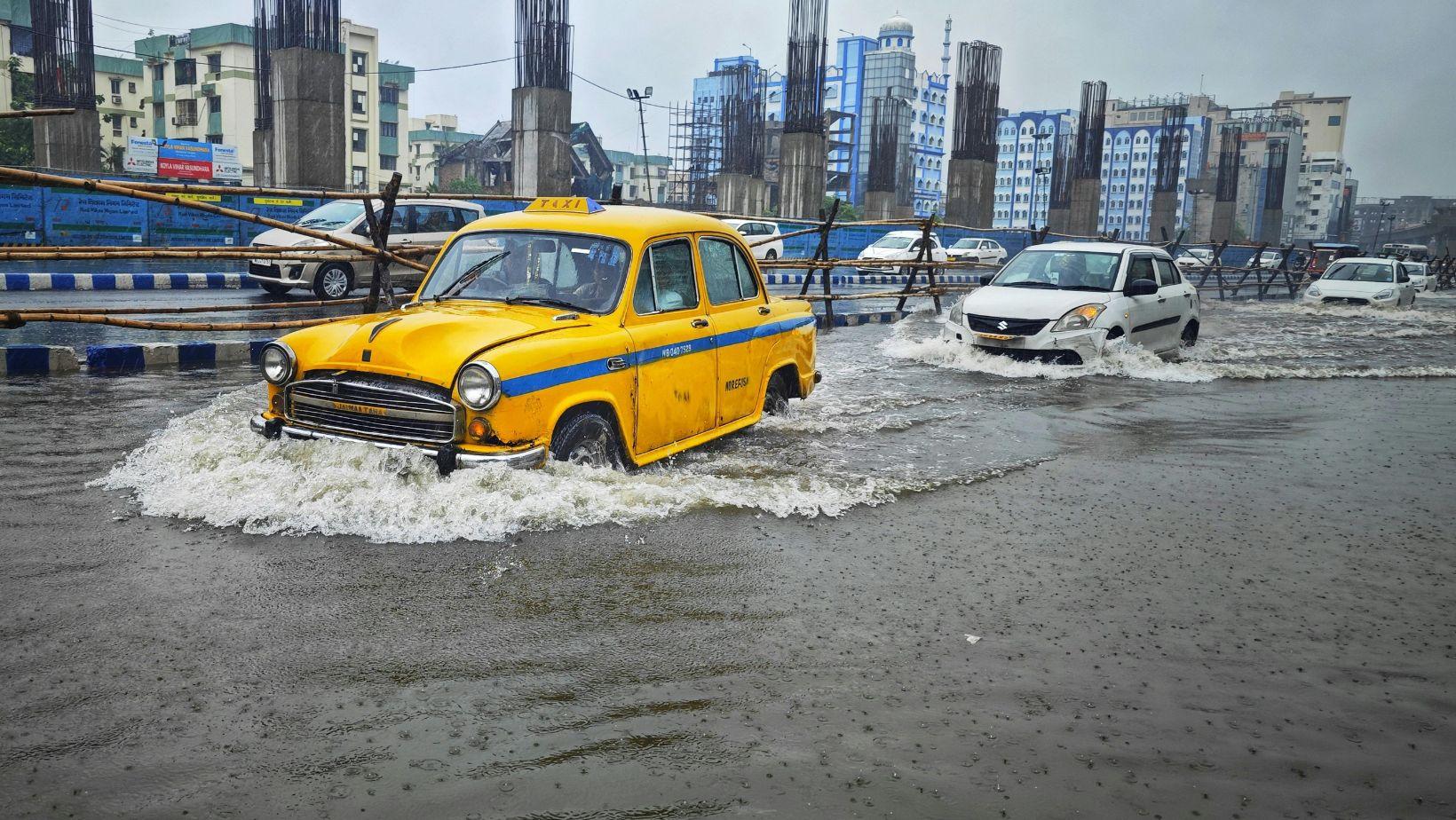
Flooding in driveways and parking areas is a common issue for both residential and commercial properties. Even a short period of heavy rain can lead to standing water, surface damage, and long-term structural problems. In colder climates, poor drainage can also result in ice buildup, increasing the risk of slips and vehicle accidents. Preventing these issues starts with understanding how water behaves on hard surfaces and what practical steps can be taken to manage it effectively.
One of the most effective ways to control surface water is by using a trench drain system. These linear drainage solutions are designed to capture water across the entire width of a surface and redirect it away before it can accumulate. Unlike traditional point drains, which collect water in one location, trench drains work along a continuous channel, making them particularly effective for wide areas such as driveways and parking lots.
Table of Contents
ToggleWhy Flooding Happens in Hardscape Areas
Before choosing a solution, it’s important to understand why flooding occurs in the first place. Most problems are caused by a combination of design flaws and environmental factors.
Poor Surface Slope
Water naturally flows downhill. If a driveway or parking area is flat or worse, sloped toward a building, water will collect instead of draining away. Even a small grading mistake can lead to persistent pooling after rainfall.
Impermeable Surfaces
Concrete and asphalt do not absorb water. This means that all rainfall must be redirected somewhere else. Without a proper drainage system, water simply sits on the surface until it evaporates or overflows.
Blocked or Insufficient Drainage
In some cases, drainage systems exist but are not functioning properly. Debris, dirt, and leaves can block drains, reducing their capacity. In other cases, the system may not be designed to handle the volume of water during heavy storms.
Increased Rainfall Intensity
Climate patterns are changing, and many regions are experiencing more intense and frequent rainfall. Systems that worked fine a decade ago may no longer be sufficient under current conditions.
Key Strategies to Prevent Flooding
Preventing flooding requires a combination of proper design, installation, and maintenance. Below are the most effective strategies used in modern drainage planning.
Ensure Proper Grading and Slope
The foundation of any drainage solution is correct grading. Surfaces should be designed to direct water away from buildings and toward designated drainage points.
A general rule is to maintain a slope of at least 1-2%. This ensures that water flows consistently without creating fast runoff that could cause erosion. For larger parking areas, grading plans should be carefully calculated to avoid low spots where water can collect.
Install Linear Drainage Systems
Linear drainage systems, such as trench drains, are ideal for areas where water accumulates across a wide surface. They are typically installed at key collection points, such as:
● the base of a sloped driveway
● entrances to garages
● the edge of parking lots
● transitions between different surface levels
These systems capture water before it spreads, reducing the risk of flooding and surface damage.
Choosing the Right System
Not all drainage systems are the same. When selecting a solution, consider:
● Load class: Residential driveways require lighter-duty systems, while commercial parking areas need heavy-duty options.
● Material: Options include plastic, polymer concrete, and metal. Each has different durability and cost characteristics.
● Grate design: The grate must allow efficient water flow while preventing debris from entering the system.
Combine Surface and Subsurface Drainage
Surface drainage alone may not always be enough. In areas with poor soil absorption or high groundwater levels, combining surface systems with subsurface drainage can improve performance.
Subsurface systems, such as perforated pipes or gravel trenches, help manage water that seeps below the surface. When used together, these systems create a more comprehensive drainage solution.
Use Permeable Materials Where Possible
In some cases, replacing traditional materials with permeable alternatives can significantly reduce water buildup.
Permeable pavers, for example, allow water to pass through the surface and into the ground below. This reduces runoff and helps maintain a more natural water cycle. While not suitable for every application, they can be effective in residential driveways or low-traffic areas.
Plan for Heavy Rainfall Events
Many drainage systems fail because they are designed for average conditions rather than extreme weather. To prevent flooding, it’s important to account for peak rainfall events.
This may involve:
● installing larger drainage channels
● adding multiple collection points
● ensuring proper connection to stormwater systems
Designing for worst-case scenarios helps avoid costly repairs in the future.
Maintenance Is Just as Important as Installation
Even the best-designed system will fail without proper maintenance. Over time, debris can accumulate and reduce the efficiency of drainage components.
Regular Cleaning
Drain grates should be inspected and cleaned regularly to remove leaves, dirt, and other debris. This is especially important during autumn and after storms.
Periodic Inspection
Check for signs of damage, such as cracks in the channel or loose grates. Early detection can prevent more serious issues later.
Professional Assessment
For larger properties, periodic inspections by professionals can help ensure that the system continues to perform as expected.
Common Mistakes to Avoid
Many flooding problems are caused by avoidable mistakes during design or installation.
Ignoring Water Flow Patterns
Failing to analyze how water moves across a surface can lead to ineffective drainage placement.
Undersized Systems
Choosing a system that cannot handle the expected water volume will result in overflow during heavy rain.
Poor Installation
Improper installation can create gaps, uneven surfaces, or weak connections that reduce system performance.
Lack of Integration
Drainage systems should be part of an overall site design. Isolated solutions often fail to address the full problem.
Long-Term Benefits of Proper Drainage
Investing in proper drainage is not just about preventing flooding. It also offers long-term benefits, including:
● extending the lifespan of surfaces
● reducing maintenance costs
● improving safety for pedestrians and vehicles
● protecting nearby structures from water damage
A well-designed system can add value to a property and prevent expensive repairs in the future.
Final Thoughts
Flooding in driveways and parking areas is a preventable problem when the right strategies are applied. From proper grading to effective drainage systems and regular maintenance, each step plays a role in managing water efficiently.
If you’re planning a new project or upgrading an existing surface, it’s worth considering reliable options for trench drain supply to ensure your drainage system performs effectively over time.