
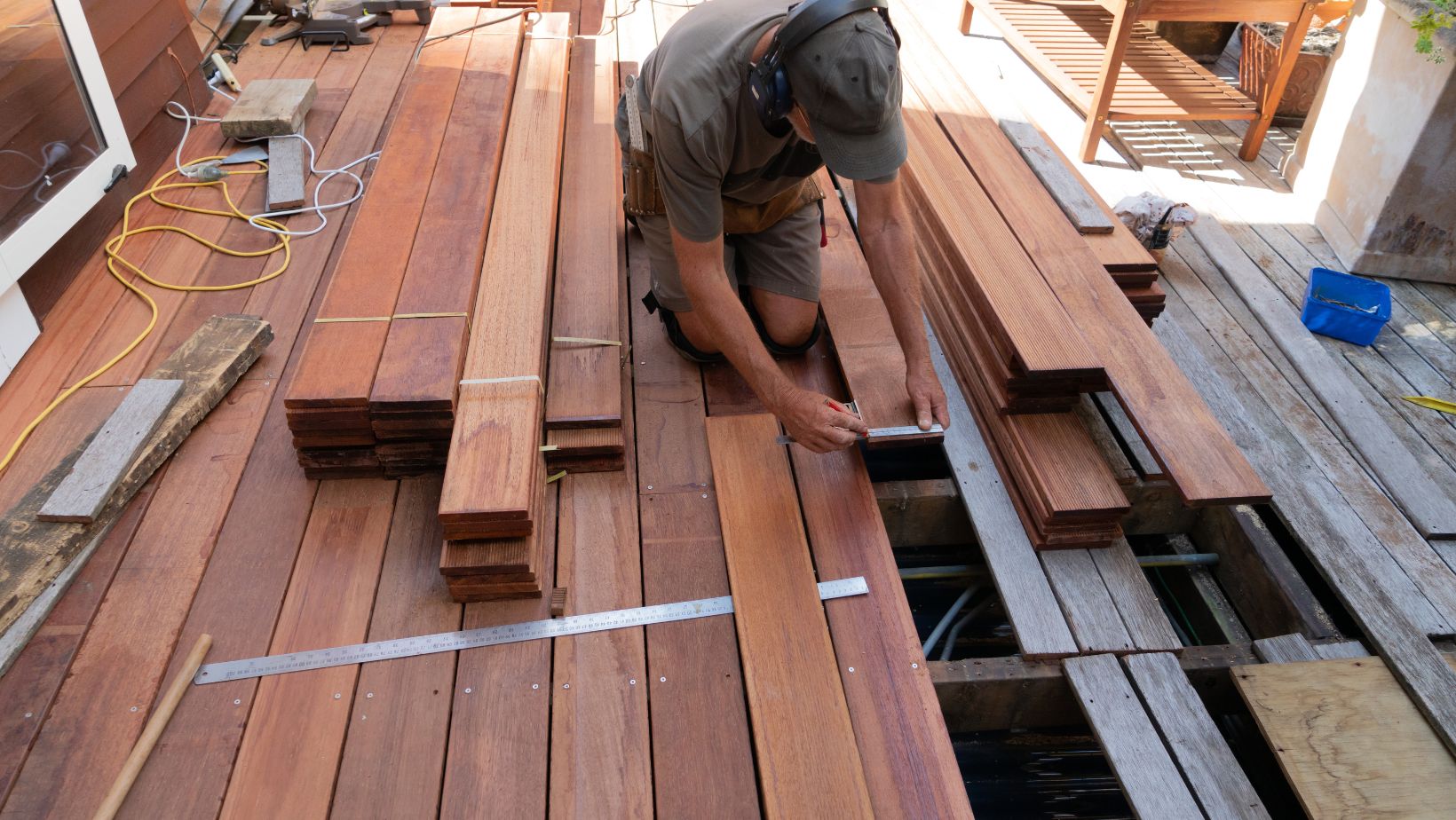
Deck Repair isn’t something most homeowners think about until the first warm day of spring. You step outside, ready to set up the grill, and notice a few soft boards or peeling paint. Maybe a railing feels loose. It doesn’t seem serious, until you remember that this platform holds your family, furniture, and maybe a few guests.
A strong, well-kept deck doesn’t just look nice. It’s a safety feature. And knowing what you can handle yourself versus what needs professional help can save you time, money, and stress.
Understanding Deck Repair Basics
Deck Repair starts with an honest look at what’s wrong. Some issues, like faded stain or a few popped screws, are easy weekend fixes. Others, like structural damage or hidden rot, can compromise the entire deck.
The key is spotting problems early. Take a slow walk across your deck and look for:
- Boards that feel soft or spongey underfoot
- Nails or screws pulling away from the surface
- Discoloration or dark patches that stay damp
- Railings that move when pushed
- Gaps or sagging near the house connection
If you spot one or more of these, it’s time to plan a repair. But how much of that can you really do yourself?
What You Can Safely Handle as a DIYer
You don’t need to be a carpenter to keep your deck in good shape. A little patience and the right tools go a long way. Here’s what most homeowners can manage on their own.
1. Cleaning and Maintenance
Start simple. Dirt, pollen, and mildew speed up wood decay.
- Sweep debris from between the boards.
- Wash the surface with a deck cleaner or mild soap and water.
- Avoid pressure washers unless you know how to use them, they can gouge soft wood.
Once clean, inspect again. Many small problems show up only after the grime is gone.
2. Replacing Surface Boards
If you find a couple of damaged boards, you can usually swap them out.
- Remove old screws or nails.
- Cut a replacement board to match.
- Seal the cut ends with a water-repellent coating.
- Secure with corrosion-resistant deck screws.
This quick fix restores stability and prevents rot from spreading. Just make sure new boards match the existing wood type and thickness.
3. Tightening Hardware
Loose hardware is one of the easiest things to fix. Use a power driver to tighten visible screws and bolts. For rusted fasteners, replace them entirely. Stainless steel or coated screws resist moisture and last longer.
If your railing wiggles slightly, tightening may be enough. If it still moves after that, you’re likely dealing with rot beneath the surface, time to call for help.
4. Sanding and Resealing
Faded or peeling finishes make your deck vulnerable to the elements. Sand rough spots, then apply a stain or sealer that suits your climate. Avoid overly glossy finishes; they can become slippery.
This step keeps your deck looking good and adds years of protection. A fresh finish can make an older deck feel brand new again.
When DIY Isn’t Enough
Some problems go deeper than what’s visible. That’s where many homeowners get caught off-guard. If you see any of the following, it’s best to bring in a pro.
1. Hidden or Widespread Rot
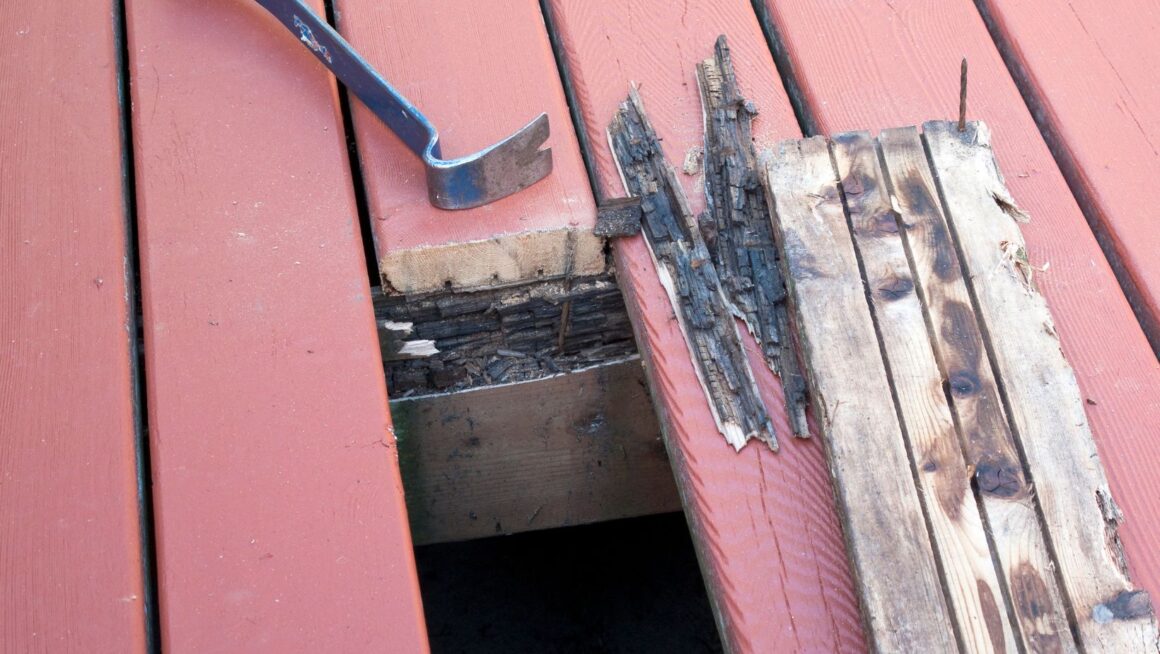
Rot doesn’t stay in one place for long. Once it’s in the frame or joists, it spreads quietly. Signs include a musty smell, gray or crumbly wood, or areas that flex under pressure.
Trying to patch over deep rot only hides the issue. Professionals have moisture meters and experience to find and replace damaged sections safely.
2. Structural Sagging or Movement
If your deck feels uneven or leans away from the house, that’s not cosmetic, it’s structural. Shifting soil, frost heave, or poor footing installation can all cause this. A contractor can inspect the supports and determine whether it’s safe to use.
Never try to “shim” or wedge supports on your own. That kind of quick fix can make things worse.
3. Ledger Board or Foundation Problems
The ledger board connects your deck to your home. If it’s loose or rotted, the entire deck could separate under weight. This is one area where you don’t want to take chances.
Professionals can reinforce or replace it while ensuring everything meets code. A simple tightening job here can literally save your deck, and maybe a few injuries.
4. Large-Scale Repairs or Rebuilds
If more than a third of your boards are damaged, you’re probably looking at major repairs. At that point, rebuilding part or all of the deck may be smarter and safer.
Experienced carpenters know how to salvage what’s still good and rebuild the rest efficiently. They’ll also handle the cleanup and refinishing work so the whole surface looks consistent.
How Professionals Approach Deck Repair
Hiring a contractor doesn’t always mean starting from scratch. Good pros take a structured approach:
- Inspection: They identify hidden issues and check for compliance with safety codes.
- Repair Planning: You’ll get a clear idea of what’s fixable and what needs replacing.
- Execution: Old wood is removed, new boards are installed, and everything is sealed properly.
- Finishing Touches: Sanding, staining, and color matching bring it all together.
If you’re not sure who to trust, check reviews, ask about insurance, and look for long-running local businesses. A reputable team like Home Painters Toronto specializes in complete Deck Repair and restoration. They handle both the carpentry and painting sides, ideal when you want safety and appearance handled in one go.
Budgeting for a Repair
Prices vary by location and condition, but here’s a rough guide:
- Small DIY repairs (boards or screws): Low cost
- Partial professional repairs: Mid-range investment
- Full replacement or rebuild: Higher, but adds property value
Always get an estimate before approving major work. It helps you decide whether to repair or replace.
Practical Tips to Prevent Future Damage
- Sweep regularly, debris traps moisture.
- Trim back nearby plants or bushes for airflow.
- Reseal every few years, especially in sunny or rainy climates.
- Avoid rugs that hold water against the wood.
- Move furniture around once in a while to prevent uneven fading.
Little things like these make a big difference over time.
When Repair Turns Into Renewal
Sometimes a deck reaches the end of its lifespan. Boards dry out, nails stop holding, and the frame begins to warp. That doesn’t mean you have to give up the space. It might be time for an upgrade – composite decking, aluminum railings, or even a new layout that fits your yard better.
Many homeowners are surprised how affordable partial rebuilds can be when you reuse a solid foundation. A pro can tell you what’s still safe to keep.
Deck Repair Is About Confidence, Not Just Curb Appeal
Your deck is more than wood and nails – it’s where you relax, eat, and unwind. Taking care of it doesn’t require perfection, just attention. Handle what you can: cleaning, tightening, resealing. For deeper issues, let experienced professionals step in.
You’ll save money in the long run and have peace of mind knowing your space is truly safe. That’s the whole point of Deck Repair. Keeping your outdoor area strong, steady, and ready for the moments that matter.