
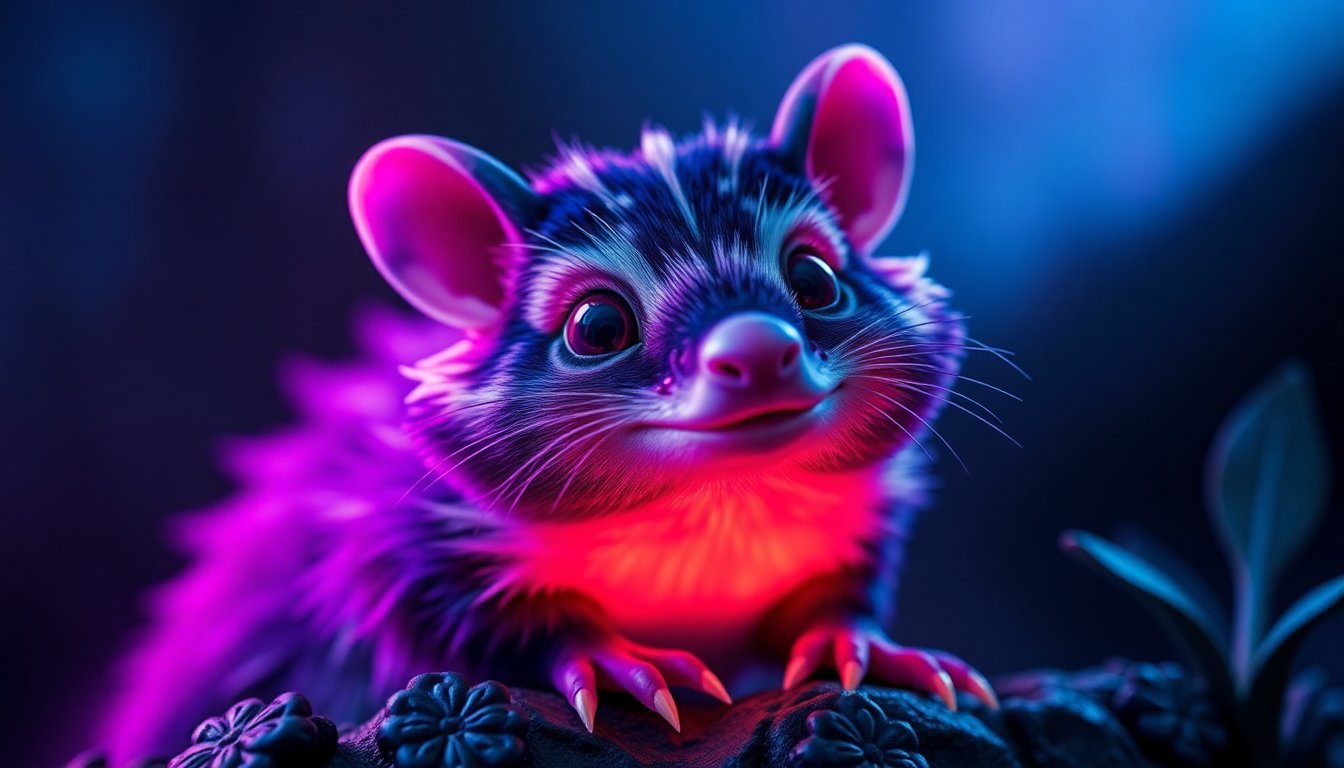
The hygnupiserdos palette hyacinth bandicoot is a fictional color palette and species concept used by designers and storytellers. The pushyourdesignly moonwalking mangoes fuzzy trombone article explains its origin, color traits, and creative uses. It shows how artists apply the palette in digital art, branding, and UI. It also profiles the bandicoot as a fictional species and gives ethical care ideas for writers and game designers.
Table of Contents
ToggleKey Takeaways
- The hygnupiserdos palette hyacinth bandicoot combines a distinctive color palette with a fictional species concept to inspire designers, artists, and writers.
- This palette centers on hyacinth blue, teal, sandstone, cream, charcoal, and coral, optimized for accessibility and versatile use in branding, digital art, and UI design.
- Designers use the hyacinth blue as a hero color with sandstone backgrounds, while coral and teal serve as effective accent colors for call-to-actions and illustrations.
- The fictional bandicoot species features bioluminescent hyacinth markings linked to behavior, enhancing storytelling and ethical portrayal in creative works.
- Writers and game designers should depict the bandicoot’s ecology realistically, showing human or ecosystem support to maintain believable habitat and population dynamics.
- Incorporating the hygnupiserdos palette hyacinth bandicoot enhances creative workflows by combining visual consistency with engaging narrative depth.
What The Hygnupiserdos Palette Hyacinth Bandicoot Actually Is
The hygnupiserdos palette hyacinth bandicoot began as a mood study by independent artists. The group named the palette after a fictional marsupial concept. The term describes both a coordinated set of colors and a character idea that uses those colors. The palette centers on deep hyacinth blues, muted teal accents, and warm sandstone neutrals. The bandicoot concept pairs small, alert mammal traits with bioluminescent markings in hyacinth tones. The palette serves three roles: a color system for visual design, a naming device for characters, and a motif for environmental art. Artists use the name to signal a specific aesthetic quickly. Writers borrow the phrase to give a scene a distinct visual hook. Designers find that the phrase helps them keep color choices consistent across projects. The hygnupiserdos palette hyacinth bandicoot so acts as both label and tool in creative workflows.
Color Characteristics And Practical Design Uses
The hygnupiserdos palette hyacinth bandicoot uses six core values. These values include a primary hyacinth blue, a secondary teal, a warm sandstone, a soft cream, a deep charcoal, and a high-contrast accent in coral. The primary hyacinth blue sits near 220° on hue wheels and carries mid-level saturation and medium lightness. The secondary teal shifts toward green to add natural balance. The warm sandstone provides warmth and a readable background. The palette favors contrast pairs for accessibility and legibility. Designers test contrast ratios against WCAG levels and adjust the charcoal and cream to meet AA and AAA when possible. The palette works for print and screen because it balances chroma and lightness. The hygnupiserdos palette hyacinth bandicoot also supports layered brand systems where the hyacinth blue acts as hero color and sandstone supplies supporting surfaces. The palette lets teams create consistent icons, charts, and photography overlays without color clashes.
Digital Art, Branding, And UI Tips For Using This Palette
Artists apply the hygnupiserdos palette hyacinth bandicoot by setting a color key early. They pick the hyacinth blue and sandstone and then add teal and coral for accents. For digital art, they pick a limited brush set and lock the palette in their software. For branding, they use the hyacinth blue for logos and the sandstone for stationery. They reserve coral for call-to-action elements and teal for supportive illustrations. For UI, they use the deep charcoal for primary text and the soft cream for backgrounds. They test hover and focus states in coral to ensure visibility. When creating iconography, they outline shapes in charcoal and fill with hyacinth blue to maintain contrast. Game designers who want a living color system may tint environment layers with sandstone and place hyacinth bioluminescent markers to guide players. The palette pairs well with natural textures like linen and stone to keep the aesthetic grounded.
Designers who wish to see a concrete example of a small team process reference developer interviews about color-first game design in which teams built mood first and mechanics second. The Hirogami interview shows how teams used mood and color to shape a final game, and the hygnupiserdos palette hyacinth bandicoot can slot into similar workflows.
Ecology, Behavior, And Ethical Care (Fictional Species Profile)
The hygnupiserdos palette hyacinth bandicoot functions as a fictional species profile for writers and designers. The profile treats the bandicoot as a small, nocturnal mammal with social groups and strong territorial cues. The animal uses hyacinth markings for intraspecies signaling and for camouflage among violet-flowered plants. The bandicoot eats roots, small insects, and fruit. It stores food in shallow burrows lined with sandstone fibers. The species shows caution around large predators and curiosity around new objects. Authors who include the bandicoot should show simple routines: foraging at dusk, grooming at dawn, and communal nesting in cool seasons.
Ethical care notes guide realistic portrayal. Creators should avoid implying the animal thrives in harsh conditions without showing how humans or ecosystems support it. Writers should show humans providing shelter, food variety, and safe breeding grounds if they place the bandicoot near settlements. Game designers should model population dynamics that respond to habitat changes rather than fixed numbers. The hygnupiserdos palette hyacinth bandicoot works best when creators link color traits to behavior. For example, bioluminescent hyacinth patches may dim when the animal sleeps and brighten during courtship. That link makes the palette meaningful rather than decorative. The profile encourages simple, repeatable behaviors so animators and AI can reproduce believable motion and interactions.