
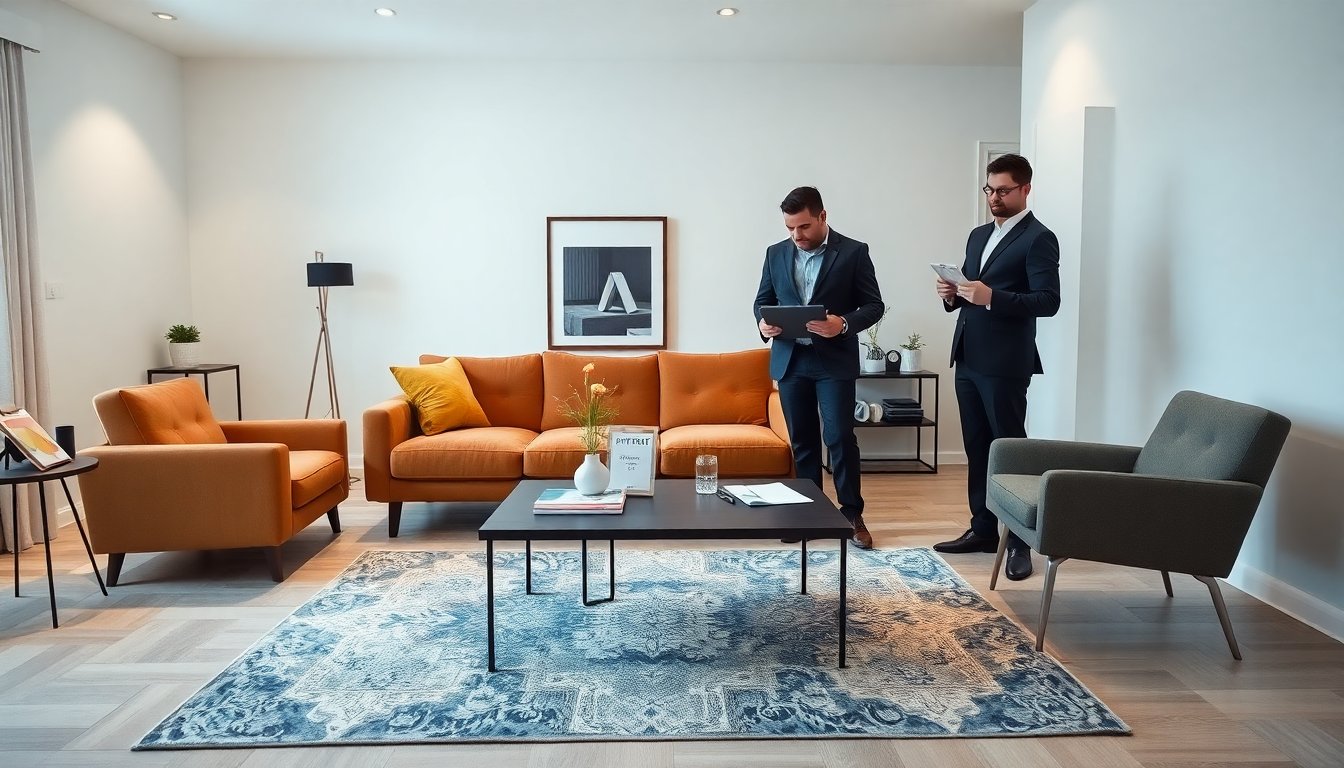
PushYourDesign shows fast ways to update rooms. The guide names clear steps for layout, color, and light. It lists practical choices for materials and furniture. It shows how to work with a small budget. Readers will find actionable tips and quick wins. The focus stays on change that looks intentional and lasts.
Table of Contents
ToggleKey Takeaways
- Interior PushYourDesign focuses on fast, intentional room updates using clear principles of scale, contrast, and rhythm for lasting impact.
- The method emphasizes editing with one anchor, one secondary piece, and one accent per space to simplify decisions and avoid clutter.
- PushYourDesign’s weekend edit cycles break projects into layout and furniture on day one, with paint, lighting, and accessories on day two for quick results.
- The approach balances practical materials and furnishings by spending on standout items and saving on accessories to stay within budget.
- Simple layout, color, and layered lighting techniques create functional, visually appealing spaces that adapt to different home styles.
- DIY steps and resale strategies help homeowners reduce costs while maintaining cohesion and quality following the interior PushYourDesign plan.
Design Philosophy Of PushYourDesign: Principles That Make Spaces Pop
PushYourDesign centers on three simple principles: scale, contrast, and rhythm. The team uses scale to set focal points. They use contrast to keep views interesting. They use rhythm to repeat shapes and color for flow. The approach keeps decisions clear. It lets a homeowner move fast without error.
PushYourDesign favors fewer edits that matter. The method removes clutter and adds one strong element per space. Designers select one anchor piece, one secondary piece, and one accent. They place the anchor first. They add the secondary item next. They finish with the accent.
PushYourDesign promotes edit cycles that last one weekend. The plan lists tasks by day. Day one focuses on layout and big furniture. Day two focuses on paint, lighting, and accessories. The schedule keeps projects short and predictable.
PushYourDesign values honest materials and visible craft. The team picks items that age well and clean easily. They prefer hard-wearing fabrics in high-use rooms. They pick finishes that hide wear. They choose pieces that a homeowner can replace without rewiring the room’s look.
The philosophy fits many styles. The method works in modern, classic, and casual homes. PushYourDesign adapts scale and color to the architecture. They respect existing features and add contrast to highlight them. The result reads as a planned update rather than a random swap. The phrase interior pushyourdesign guides many search queries, so designers use that language to describe these clear principles.
Practical Layouts, Color, And Lighting Techniques
PushYourDesign advises simple layout rules. The team centers seating around a function, not a wall. They group furniture to form a task zone. They allow three feet of walking space around the key zone. They keep circulation clear and logical.
PushYourDesign uses color as a tool. They pick one dominant neutral, one mid tone, and one accent. They balance warm and cool tones to match the light level. They test paint swatches on three walls, not one. They view samples at different times of day before they paint.
PushYourDesign treats lighting as layered systems. They use ambient fixtures for general light. They add task lighting for reading and prep. They add accent lamps to highlight art and texture. They prefer dimmers to fixed output. They choose LED sources to save energy and cut heat.
PushYourDesign recommends simple swaps that change perception. A rug can define a room and scale furniture. Window shades can control light and add color. A single statement light can raise the perceived quality of a space. These moves align with the interior pushyourdesign search intent: fast, visible wins.
PushYourDesign links practical items to use cases. For a small living room, they move the sofa off the wall and angle a chair to open sightlines. For a narrow kitchen, they add under-cabinet light and a pale backsplash to widen the view. For a sports media wall, they add a branded logo panel or framed team art: the ESPN guide on adding logos explains related file and placement basics and supports such installs with app-side logo rules team logo support. Designers use this kind of guidance when they add custom graphics to a wall.
The team frames each choice with cost and time. They tag items as Quick (under one day), Moderate (one to three days), or Finish (one week). That tag helps a homeowner follow the interior pushyourdesign plan.
Materials, Furnishing Choices, And How To Implement On A Budget
PushYourDesign lists materials that give high impact for low cost. They pick paint, wood, metal, and fabric that read as high quality but come at fair prices. They prefer mid-priced solid wood tables, laminate tops with a real wood edge, and metal legs with a clean finish.
PushYourDesign recommends durable fabrics for daily rooms. They choose polyester blends and performance weaves in neutral tones. They pick slipcovers for sofas to extend life. They select wool or flatweave rugs where traffic is high and add a softer rug in seats.
PushYourDesign shows where to save and where to spend. The team spends on one visible piece like a sofa or pendant. They save on side tables, small lamps, and throw pillows. They trade expensive art for curated prints in frames. They recommend framing local prints to create a strong look without overspending.
PushYourDesign maps a budget in stages. Stage one covers layout and paint. Stage two adds lighting and major furniture. Stage three finishes with textiles and art. The stages let a homeowner pause without losing cohesion.
PushYourDesign suggests DIY steps that reduce cost. The team shows how to paint a focal wall, replace cabinet pulls, and install a plug-in wall sconce. Each task uses common tools and clear steps. The guide lists recommended tools and time per task.
PushYourDesign also uses resale and outlet strategies. They advise comparing local resale shops and online marketplaces. They recommend checking dimensions and return policies before purchase. They stress fitting new pieces to the plan rather than buying on impulse.
The interior pushyourdesign approach gives a homeowner a clear path. The plan removes guesswork and keeps spending aligned with visible impact. The approach helps a homeowner transform spaces fast with predictable cost and results.