

Yes, a portable power station is worth it in 2026 if you actually need quiet, indoor-safe backup power or you spend time off-grid. The decision comes down to three numbers: output watts (what you can run), capacity in watt-hours (how long you can run it), and how you plan to recharge (wall, car, solar).
What has changed about portable power stations by 2026
Portable power stations in 2026 feel less like “big batteries” and more like practical home and travel power tools. The biggest upgrades are battery longevity, charging speed, and usable output.
Battery tech is built for longer ownership
Many mainstream models now use LiFePO4 batteries, commonly rated around 3000 cycles before noticeable capacity drop. For people who use a power station regularly, that is the difference between “a few seasons” and “years of dependable use.” Traditional lithium-ion options still exist, often closer to 500–800 cycles, and can still make sense if your use is occasional.
Charging is faster and more flexible
In 2026, fast AC charging is no longer rare, and solar input support is more common across tiers. The real improvement is flexibility: you can top up from a wall outlet at home, recharge while driving, and use solar as a steady daily offset when parked.
Output is more usable, even in portable sizes
More models can handle higher continuous output than people expect, which matters for appliances that need stable power. For most buyers, output is the first spec that decides whether the unit feels “worth it” after the novelty wears off.
When a portable power station is worth it
If your use case matches one of the scenarios below, the value is usually obvious within the first few trips or the first outage.
Home backup during outages
A portable power station is worth it if your goal is to keep essentials running without noise or fumes. It is especially useful for things like a fridge, Wi-Fi, lights, and device charging. If your expectation is whole-home backup or running heavy loads for days, portable units can still help, but you will likely want a different category of solution.
A common “worth it” sweet spot for home essentials is 1000–2000Wh capacity paired with enough output to run what you consider non-negotiable.
Camping, van life, and road trips
For travel, the value is less about maximum capacity and more about convenience and flexibility. Portable power stations are quiet, can be used inside the vehicle, and can be recharged from multiple sources. If you camp often, work from the road, or rely on a fridge and fans, it stops being a luxury quickly.
A practical travel sizing pattern is:
- Minimal overnights and device charging: 300–600Wh
- Everyday comfort with fridge and multiple devices: 1000–2000Wh
- Longer off-grid stays or heavier use: 2000Wh+
Remote work and mobile setups
If you work from a cabin, a vehicle, job sites, or anywhere power is uncertain, a portable power station can be worth it simply as stability insurance. The main requirement here is output that matches your work gear plus enough capacity to survive a real work block without micromanaging the battery.
Emergency preparedness
Portable power stations are worth it for people who want a safer indoor backup option than fuel generators. They are also easier to test and maintain. If you can plug it in occasionally and keep it ready, it becomes a reliable part of your emergency plan rather than a tool you only hope works.
When a portable power station is not worth it
Not every buyer benefits, and in 2026 the mistake is usually buying the wrong category, not the wrong brand.
You need true whole-home power
If you want to run central air, large electric cooking, or multiple high-draw appliances as if nothing happened, a portable power station often becomes a compromise. You can still use one as a bridge solution, but the “worth it” equation shifts toward fixed home systems.
You will use it once a year
If your use is rare, the cost per use can feel high. In that case, a smaller unit can still be worth it, but buying large capacity “just in case” is where regret happens.
Your real problem is power access, not storage
If you mostly stay at powered campsites or you always have reliable shore power, the value drops.
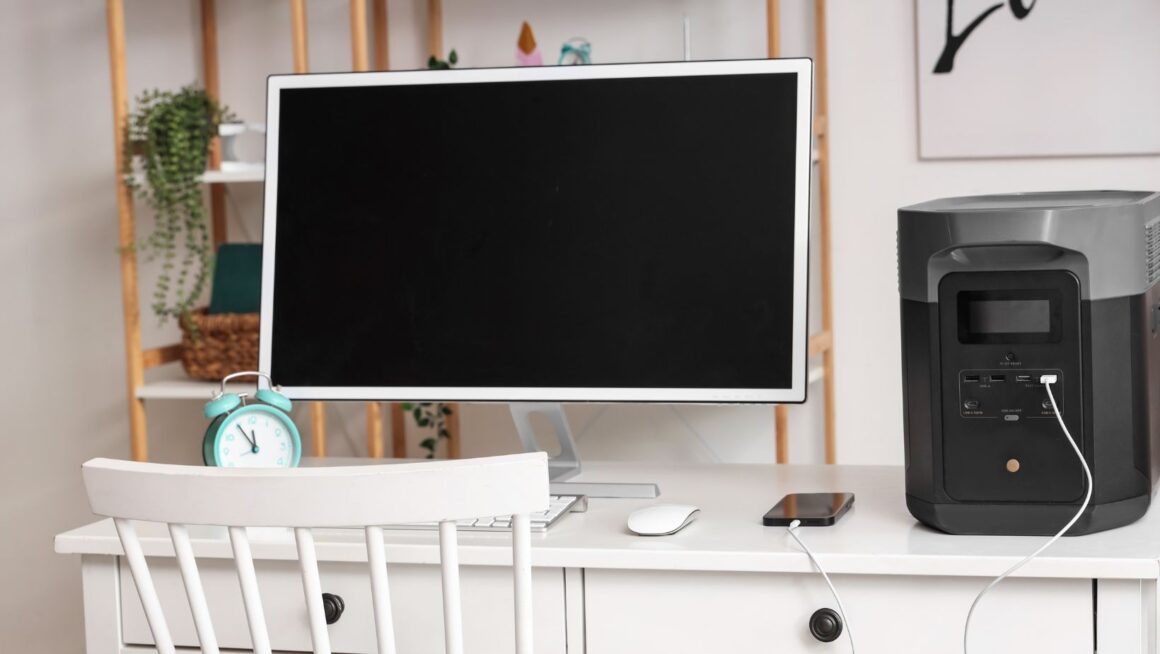
Storage helps most when you face uncertainty: outages, off-grid stays, unstable power sources, or frequent travel.
How much capacity do you actually need in 2026
Capacity is the spec that people overbuy because it feels like safety. In practice, “worth it” comes from matching capacity to your routine.
Small power needs
If you mainly charge phones, cameras, a laptop, and run lights, a 300–600Wh unit can be enough. It is lighter, easier to move, and easier to keep topped up.
Medium everyday use
For most households and van travelers, 1000–2000Wh is the most versatile range. It supports typical essential loads without turning the product into a heavyweight object you avoid moving.
Higher-demand scenarios
If you run a fridge continuously, spend multiple days off-grid, or use higher-draw appliances, 2000Wh+ is where the system starts to feel comfortable instead of tight. If you go this route, think about charging first, not just battery size, because large batteries feel slow if you do not have a realistic way to refill them.
Costs vs value in 2026
Price alone is not the best way to judge value. In 2026, the “worth it” calculus usually hinges on longevity, charging convenience, and how often you will actually depend on it.
Upfront cost vs frequency of use
Portable power stations pay back in convenience when you use them repeatedly: regular outages, frequent weekend trips, full-season camping, or road travel. If your use is occasional, the best value often comes from staying in the mid or small capacity ranges.
Battery lifespan matters more than headline features
A unit rated around 3000 cycles aligns better with people who charge and discharge frequently. If you only use it a few times a year, cycle life matters less, and other factors like weight, simplicity, and price may matter more.
Fuel, noise, and convenience trade-offs
The core advantage is that you get power without noise, fumes, or engine maintenance. For many buyers, that is the whole reason it is worth it, even if a generator can deliver more raw output per dollar.
Portable power station vs alternatives
Portable power station vs gas generator
If you need high sustained power and do not mind noise and fuel, generators can still win on brute force. If you care about indoor use, quiet operation, and simple charging, portable power stations are the better lifestyle fit.
Portable power station vs fixed home battery systems
Fixed systems are for permanence and higher coverage. Portable power stations are for flexibility. If you rent, travel, move often, or want one solution that works at home and on the road, portability is a major part of the value.
Key questions to ask before buying
If you answer these honestly, you will know if it is worth it.
- What is the one device you must be able to run, and what output does it require
- How many hours do you realistically need, and what capacity range fits that
- Where will you recharge most of the time: wall, car, solar, or a mix
- Will you carry it frequently, and if so, how much weight are you willing to live with
- Are you buying for occasional emergencies, or repeated weekly use
Final verdict: is it worth it in 2026?
A portable power station is worth it in 2026 if you want quiet, flexible backup power that works indoors and travels well. It is especially worth it for outage preparedness, camping and van life, and anyone who needs reliable power outside traditional outlets.
If you rarely need backup power or your goal is whole-home coverage, it may not be the right category, or you should size smaller and keep expectations realistic.