
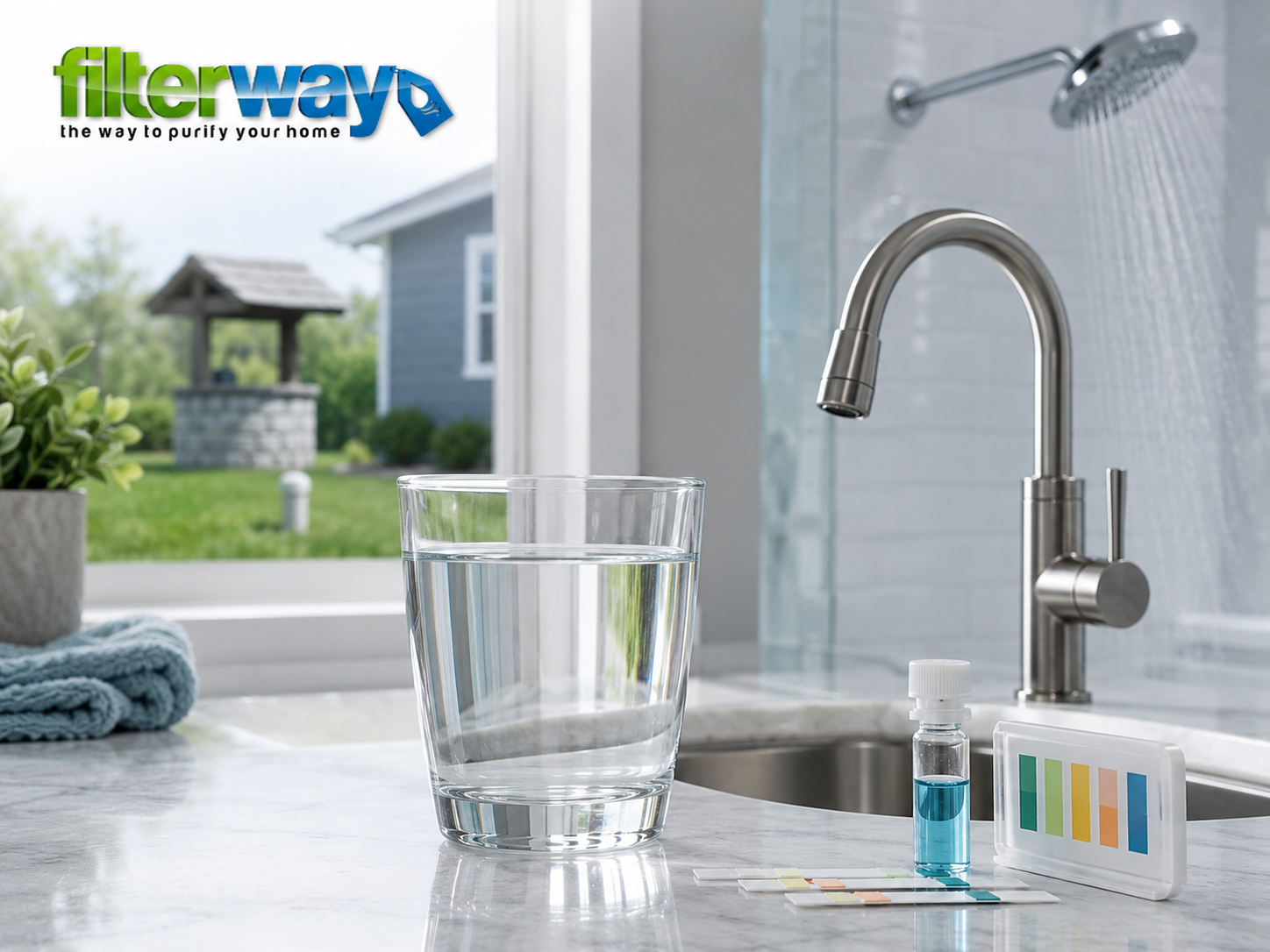
A private well is a convenient and cost-effective water source for your home. However, its quality directly affects not only the health of every family member but also the condition of your plumbing, appliances, and pipes. Without regular testing and treatment, well water may contain harmful substances and microorganisms that can lead to unpleasant consequences. Proper filtration is the key to safety and comfort.
Main risks and water quality issues in well water
Well water can contain several types of contaminants:
- Bacteria and viruses — pose health risks by causing infections and illnesses.
- Heavy metals (iron, manganese, lead) — spoil taste and color, and can harm the body with long-term consumption.
- Organic substances — cause unpleasant odors and turbidity.
- Mechanical impurities — sand, silt, and rust damage pumps and pipes.
Lack of filtration shortens the lifespan of plumbing and household appliances, leading to scale buildup, blockages, and corrosion. The solution to these problems is installing a Filterway whole house well water filter systems, which comprehensively removes contaminants and ensures stable water quality.
Key parameters to test in well water
To assess water safety, you should monitor:
- Microbiological indicators — presence of coliform bacteria and pathogens.
- Hardness and iron content — affects taste and scale formation.
- Turbidity — indicates suspended particles.
- Odor and color — signal organic contamination.
- pH level — acidity affects pipe corrosion.
These parameters not only reveal water quality but also help in selecting an effective filtration system.
Methods to protect and improve well water quality
Common treatment methods include:
- Mechanical filters — trap sand, silt, and large particles.
- Disinfection (UV or chlorination) — kills bacteria and viruses.
- Water softening — reduces hardness and prevents scale buildup.
- Comprehensive whole-house filtration systems — combine several stages to address all major issues.
The number and sequence of treatment stages depend on the initial water analysis: there is no universal system that works equally well for every well. Understanding the principles of equipment selection and which components can make up the best well water filtration system is important before purchasing filters — this helps avoid unnecessary steps and ensures critical problems are properly addressed.
Proper water treatment improves water quality, reduces scale and sediment formation, and protects pipes, plumbing fixtures, boilers, washing machines, and dishwashers from accelerated wear.
How to choose the right filtration system
When selecting equipment, consider:
- The composition and contamination levels of your source water.
- The volume of water consumption and family needs.
- Technical specifications and warranty conditions.
- Ease of maintenance and filter replacement.
An optimal system should take into account the unique characteristics of your water source and provide consistent water quality without unnecessary time or effort.
Well water can be safe and pleasant to use with the right approach to its testing and treatment. Comprehensive solutions from Filterway will help solve challenges of any complexity and keep your family healthy.