
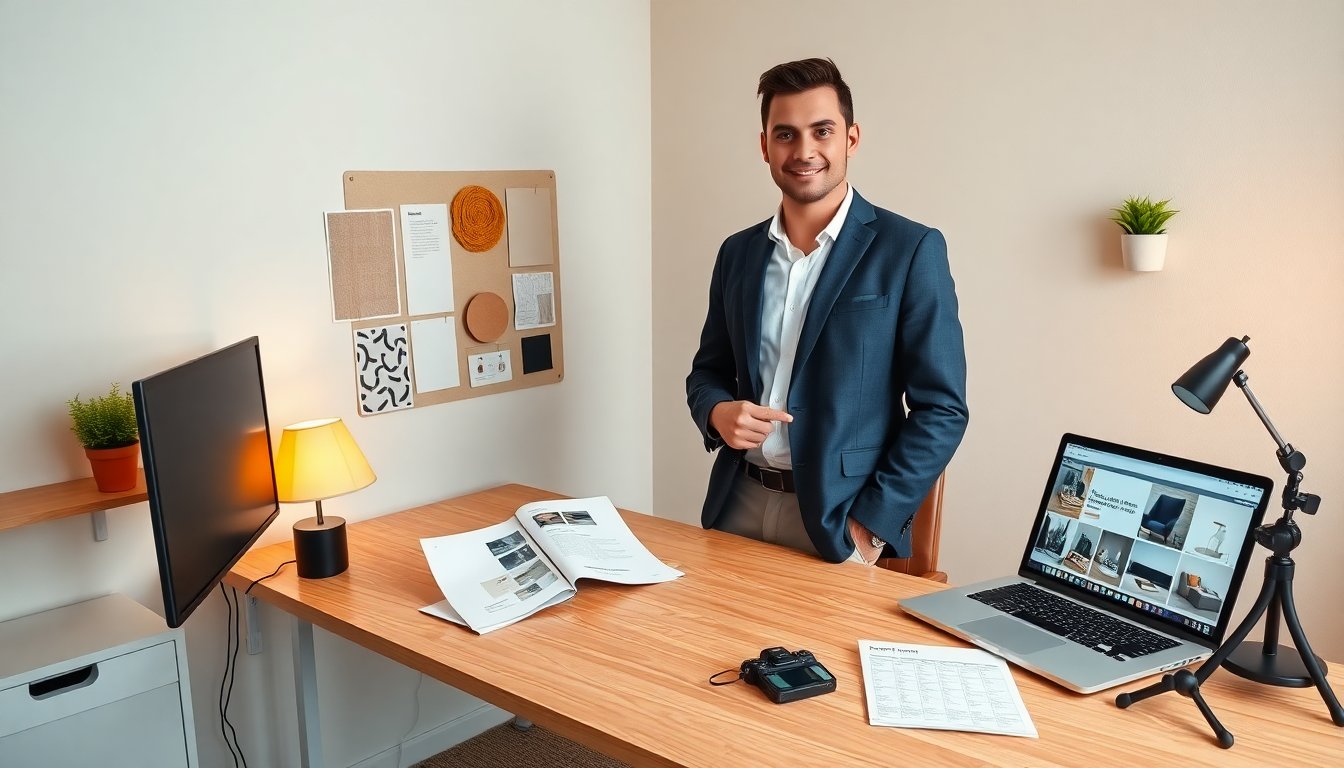
The tips for lifestyle pushyourdesign guides how a person lives with design at the center. It mixes visual choices, process habits, and public image. Readers learn practical steps to shape daily practice and public work. The guide sets clear moves for routine, workspace, tools, and sharing. It focuses on simple actions that keep creativity active and personal brand clear.
Table of Contents
ToggleKey Takeaways
- The lifestyle pushyourdesign centers daily life around intentional design choices that balance function and expression to build a consistent personal brand.
- Establishing a creative daily routine with focused tasks and reflection sustains design thinking and prevents burnout.
- A tidy and minimal workspace tailored for active projects enhances focus and supports creative flow.
- Using simple, efficient tools like vector editors, note apps, and task trackers minimizes busywork and preserves creative time.
- Applying core design principles such as scale, contrast, and repetition creates coherence in personal style and home environments.
- Consistently sharing design work through curated content and targeted platforms grows audience engagement and professional credibility.
What Is The PushYourDesign Lifestyle And Why It Matters
The lifestyle pushyourdesign frames daily life around intentional design decisions. It places function and expression on equal footing. Practitioners pick clothes, objects, and routines that reflect their choices. They treat each item as a design decision that communicates taste and competence. The approach matters because it makes impression management deliberate. It helps a person show consistent values across work, home, and online. For professionals, the lifestyle pushyourdesign supports a clear portfolio and steady audience recognition.
How To Build A Creative Daily Routine That Sustains Design Thinking
A daily routine anchors design thinking and prevents scattered effort. A person starts the day with a short visual review of goals. They set one main design task and one small creative task. They reserve blocks for sketching, testing, and feedback. They end the day with a simple reflection on what worked and what did not. This structure keeps momentum and builds output without burnout.
Workspace Setup Essentials For Focused Creativity
A tidy workspace reduces decision load and increases focus. A person places a single monitor or laptop at eye level. They put a sketchpad, a pen holder, and one reference shelf within arm’s reach. They add a lamp with warm light and one plant for contrast. They remove items that do not support active projects. They keep storage labeled and reachable.
Tools And Apps To Support Your Creative Flow
Simple tools speed creative work and reduce friction. A person uses a vector editor for clean assets and a note app for quick ideas. They pick one task tracker and one cloud drive for files. They set templates for common posts and presentations. They automate file backups and recurring publishing steps. These choices minimize busywork and preserve creative time.
Design Principles To Apply To Everyday Style And Home Items
People apply core design principles to make daily items coherent and useful. They use scale to balance objects in a room. They use contrast to draw the eye to one feature. They use repetition to create a visual rhythm across clothing or decor. They favor materials that age well and that match a chosen color palette. They edit possessions frequently and keep only items that serve a function or a statement. These moves create a consistent personal brand that reads in photos and in person.
Turning Your PushYourDesign Lifestyle Into Shareable Content
A person turns daily design work into content that attracts peers and clients. They capture process shots, short tips, and before/after comparisons. They write simple captions that state the problem and the solution. They keep a content calendar with tight themes for each week. They reuse one piece of work across formats to extend reach. They invite feedback and respond to comments to grow trust. These habits build credibility and lead to steady engagement.
Platforms, Formats, And A Posting Strategy That Builds An Audience
A clear platform choice helps a person reach the right viewers. They post image-led process pieces on visual platforms and longer explainers on blogs. They use short video to show steps and quick edits. They pick two platforms and focus energy there rather than scatter attention. They publish with a steady cadence: two posts per week and one story update. They track three metrics: views, saves, and messages. They refine topics that get saves and messages and repeat those formats.
A practical example shows how to present work. A designer shares a timed progress sequence and pairs it with a short problem statement. The post links to a gallery that displays higher-resolution images and case notes. The gallery can feature curated photos that show consistent style and process. One can study external photo collections to learn visual storytelling: for example, the NFL photo gallery shows how tight sequencing tells a clear story in images photo gallery collection. A development interview also shows how a creator explains sources of inspiration and craft in public-facing pieces development interview example.