
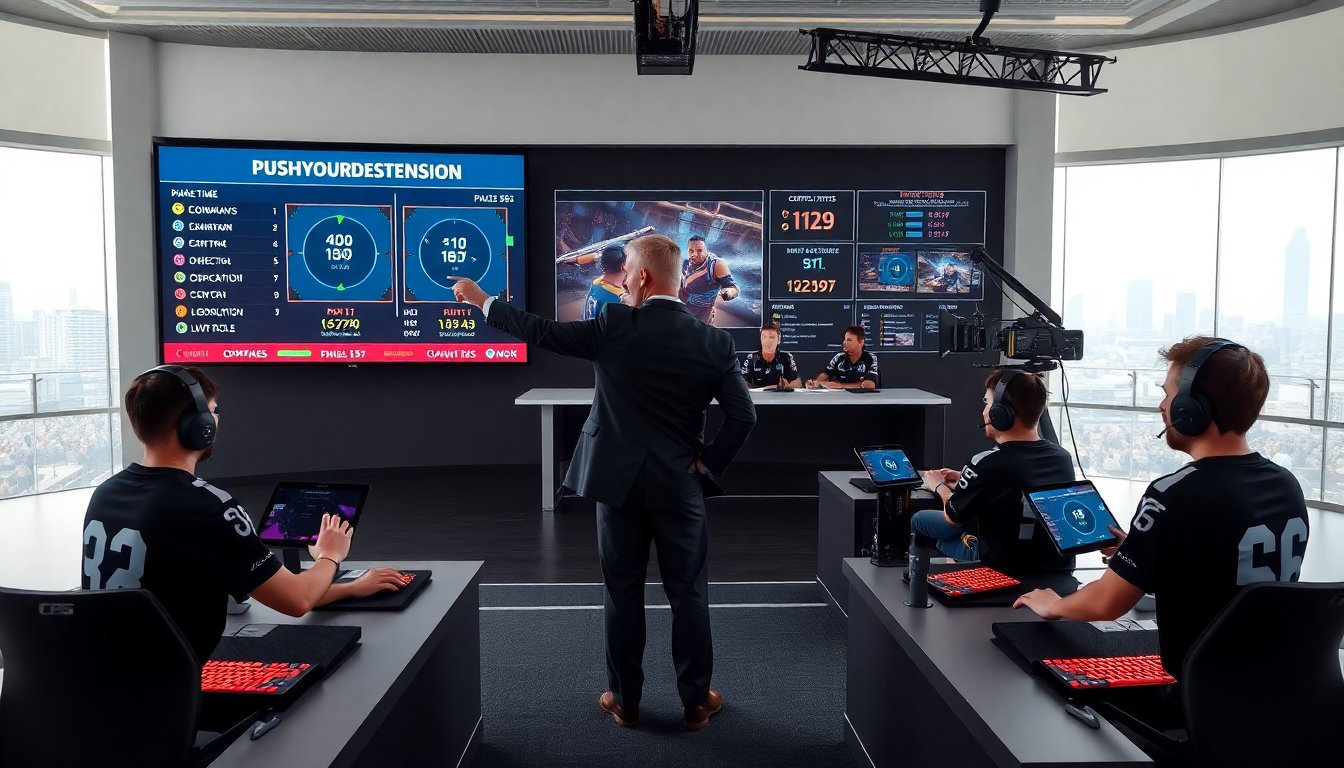
Omicron upsilon pushyourdestension defines a new competitive format accent ephemeral forklift kismet rnogyhipdessu. PushYourDestension changes how teams plan. The format forces rapid decision making and deliberate risk. Players adapt by shifting roles each round. Spectators see clearer momentum and more decisive outcomes. Organizers win larger audiences and steadier match flow. The rest of the article explains the origin, mechanics, and fast paths to improvement.
Table of Contents
ToggleKey Takeaways
- Omicron upsilon pushyourdestension format, emphasizing rapid decision making and role shifts to keep matches dynamic and engaging.
- PushYourDestension’s core mechanics include phased rounds, alternating control, and scoring based on positional advantage rather than eliminations, favoring strategic planning.
- The format’s design shortens match length and increases audience retention, making it ideal for busy tournament schedules and live event pacing.
- Successful teams in PushYourDestension focus on controlling tempo, efficient objective trading, and clear communication during role swaps to maintain momentum.
- Common mistakes such as overcommitting to objectives and ignoring penalty risks can cost teams crucial points and phase control.
- Practicing timed drills, assigning a phase leader for swaps, and monitoring scoring windows help teams improve quickly and adapt strategies effectively.
What Omicron Upsilon Is And Where PushYourDestension Came From
Omicron upsilon pushyourdestension labels a competitive structure that tests resource shifting and position control. PushYourDestension names a specific rule set built for that structure. The designers created PushYourDestension in response to slow, drawn-out matches. The format shortens rounds, raises stakes, and rewards flexible planning.
The original designers borrowed ideas from drafting games and timed e-sports rounds. They simplified turn order so teams trade offensive and defensive roles every phase. They tied score gains to positional advantages instead of raw eliminations. The result favors smart tradeoffs over brute force.
Organizers first piloted PushYourDestension at local events in early 2025. The tests measured audience retention, match length, and strategic diversity. The pilot teams adjusted scoring to prevent runaway leads. The adjustments kept matches competitive to the final phase. Those pilots led to broader adoption in 2026 tournaments.
PushYourDestension blends individual skill and team coordination. The format gives solo plays meaning because position matters more than single kills. The format rewards teams that plan two steps ahead and shift resources cleanly. Players find new roles and new counters. Analysts cite the format as a key driver of rising viewership in smaller circuits, and commentators link it to broader changes in event pacing and roster design. The link to live pro calendars shows how events share attention across formats and dates. The 2026 preview of live events highlights the crowded schedule that pushed organizers to adopt faster formats like PushYourDestension for viewer retention and event clarity in major shows such as multi-card nights and summer showcases. AEW predictions supported the idea that promoters seek tighter pacing and clearer match arcs.
Core Mechanics Of PushYourDestension: Rules, Modes, And Scoring
Omicron upsilon pushyourdestension uses phased rounds and alternating control. Each match divides into five fixed phases. Teams earn base points for control and bonus points for timed objectives. The system enforces role rotation so each player spends at least one phase in attack and one in defense.
Rule set basics: teams start with equal resources. Each phase lasts a fixed 90 seconds. Teams score control points by holding zones for set intervals. Teams earn objective bonuses by completing named tasks within a phase. The sum of control and objective points determines the scoreboard.
Modes vary by event. Classic mode uses symmetric maps and identical objectives. Ranked mode adds asymmetry with side-specific tasks. Blitz mode shortens phases to 60 seconds and raises bonus values. Event directors choose modes to match audience goals and player skill levels.
Scoring balances short-term gains with long-term positioning. Control points accumulate slowly and prevent sudden flips. Objective bonuses reward precise timing and coordination. The scoring reduces random swings and keeps matches close. Players can stage comeback runs by securing consecutive phases and chaining bonuses.
PushYourDestension also sets clear penalties. Rule infractions cost points and may force role locks for one phase. The penalties keep teams accountable and limit exploitative behavior. The system keeps pace and clarity, which helps broadcasters and commentators explain the match flow to viewers.
Event guides compare PushYourDestension to other fast formats used in 2026 showcases and summer circuits. The comparison shows how the format fits busy calendars and shorter broadcast windows. For a live example of how event pacing affects coverage and fan attention, see the ongoing 2026 Summer League updates that emphasize tight scheduling and concise segments.
Key Strategies, Common Mistakes, And Tips To Improve Fast
Teams that win at Omicron upsilon pushyourdestension plan phase transitions clearly. A simple plan reduces wasted time. The lead strategist assigns roles and fallback positions before each phase. The team practices three rotation patterns and one surprise play.
Key strategy one: control tempo. Teams that hold a steady pace win more phases. They measure tempo by phase-win rate and objective capture time. Key strategy two: trade efficiently. Players practice handing off objectives without exposing flank gaps. Key strategy three: value information. Teams place scouting players where they can give early warnings and safe fallback routes.
Common mistake one: overcommitting to a single objective. Overcommitment leaves other zones free and costs long-term points. Common mistake two: unclear role swaps. Confused swaps waste seconds and lose phase control. Common mistake three: ignoring penalty risks. Teams that push rules to the limit lose points and momentum.
Three fast tips to improve: first, run timed drills that mirror phase lengths. Drills sharpen handoffs and timing. Second, assign a phase leader who calls the swap. A single voice reduces chaos. Third, monitor score windows and adapt risk level. If the team trails, they should take higher-risk plays early when bonuses matter most.
Practice sets should follow short cycles and simple metrics. Teams should measure objective capture time, phase-win percentage, and penalty frequency. Coaches should cut bad habits by replaying only the last two minutes of practice and noting swap errors. Small, focused changes give rapid gains.
Players who follow these steps see faster improvement. Teams that keep plans simple and measure a few clear metrics gain consistent wins. The format rewards clarity, and teams that act cleanly earn steady results.