
Picture this: You walk into a friend’s living room and instantly feel at ease. Your eyes glide from the bold blue sofa to the patterned rug, then to the gallery wall, and finally to the sunlight streaming through sheer curtains. You can’t quite put your finger on it, but the space just feels right. That’s the magic of rhythm interior design—a secret sauce that makes rooms feel alive, connected, and, well, like home.
Table of Contents
ToggleWhat Is Rhythm Interior Design?
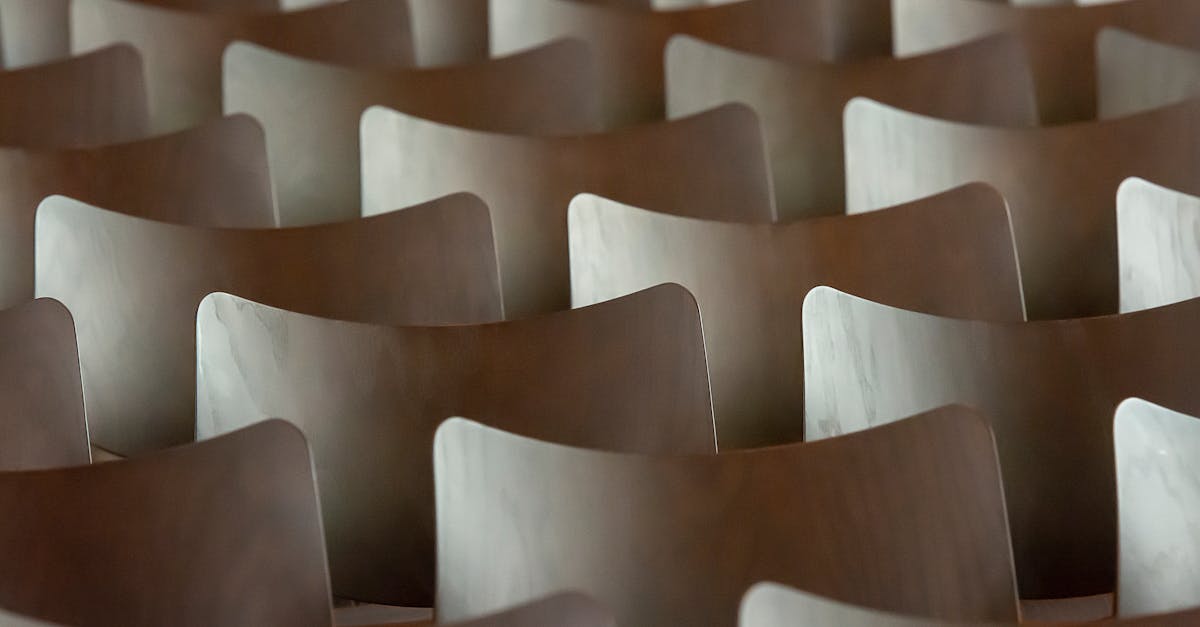
Rhythm interior design isn’t about music, but it does have a beat. It’s the art of creating flow and movement in a space, guiding your eyes smoothly from one element to the next. Designers use rhythm to make rooms feel balanced and inviting, not chaotic or flat. If you’ve ever felt restless in a room without knowing why, chances are the rhythm was off.
Why Rhythm Matters
Here’s why: Our brains crave order and patterns. When a room has rhythm, it feels harmonious. When it doesn’t, we notice—even if we can’t explain it. Rhythm interior design helps you create spaces that feel intentional, not accidental. It’s the difference between a room you want to leave and one you want to linger in.
Types of Rhythm in Interior Design
Let’s break it down. Rhythm interior design uses several techniques to create movement and flow. Each one has its own flavor, and you can mix and match them for the best results.
- Repetition: Repeating colors, shapes, or textures. Think of a row of black-framed photos or a series of blue throw pillows.
- Progression: Gradually changing an element. For example, a set of nesting tables that go from small to large, or a color palette that shifts from light to dark.
- Transition: Leading the eye smoothly from one area to another. Curved furniture, arched doorways, or a winding rug can all create this effect.
- Contrast: Placing opposites together to create interest. A sleek metal lamp on a rustic wood table, or a bright yellow chair in a sea of neutrals.
- Radiation: Arranging elements around a central point. Picture a round dining table with chairs fanning out, or a chandelier with arms reaching in every direction.
If you’ve ever struggled to make your space feel “finished,” rhythm interior design might be the missing piece. It’s not just for designers or people with huge budgets. Anyone can use these techniques, even in a tiny apartment or a rental.
How to Use Rhythm Interior Design at Home
Ready to try it? Here’s how to bring rhythm interior design into your own space, step by step.
1. Start with Repetition
Pick one element to repeat. Maybe it’s a color, like green. Add green throw pillows, a green vase, and a green print on the wall. The key is to spread these touches around the room, not cluster them in one spot. This creates a visual beat that feels steady and intentional.
2. Play with Progression
Try a set of candles in different heights, or a trio of baskets that get bigger. Progression adds a sense of movement, like a staircase for your eyes. You can also use artwork in a gradient of colors, or shelves that step up in size.
3. Use Transition for Flow
Curves and soft lines help the eye travel. If your room feels boxy, add a round coffee table or a wavy mirror. Even a rug with a swirling pattern can help. Transition is about guiding, not forcing, the eye to move.
4. Add Contrast for Drama
Don’t be afraid to mix things up. Pair a velvet sofa with a leather chair, or a sleek lamp with a chunky knit throw. Contrast keeps things interesting and stops the room from feeling too matchy-matchy.
5. Try Radiation for Gathering Spaces
Arrange furniture around a focal point, like a fireplace or a coffee table. This works especially well in living rooms and dining areas. It creates a sense of unity and makes conversation easier.
Common Mistakes (And How to Fix Them)
Here’s the part nobody tells you: Even pros mess up rhythm interior design sometimes. Maybe you’ve bought a bunch of matching decor, only to find your room feels flat. Or you’ve mixed so many patterns that your eyes don’t know where to look. Here’s how to fix the most common mistakes:
- Too much repetition: Break it up with a contrasting piece or a pop of color.
- No focal point: Pick one spot to highlight, like a bold piece of art or a statement chair.
- Cluttered progression: Leave some breathing room between items. Let each piece shine.
- Ignoring transition: Add curves or soft textures to help the eye move naturally.
If you’ve ever felt stuck, remember: Rhythm interior design is about experimenting. Try moving things around. Take a photo, step back, and see how your eye travels. If it gets stuck or jumps around, tweak until it feels right.
Who Should Use Rhythm Interior Design?
Rhythm interior design works for almost everyone, but it’s especially helpful if:
- You want your home to feel more cohesive
- You love mixing styles but want it to look intentional
- You have open spaces that feel disconnected
- You’re decorating on a budget and want maximum impact
It’s not for you if you love chaos or want every room to feel totally different. Rhythm interior design is about connection and flow, not randomness.
Real-Life Example: My Living Room Makeover
Let me share a quick story. When I first moved into my apartment, I bought everything in shades of gray. The sofa, the rug, the curtains—gray, gray, gray. It looked clean, but it felt lifeless. I realized I needed rhythm. I added a set of blue vases in different heights, a yellow throw, and a round mirror. Suddenly, the room felt alive. My friends noticed, too. “It finally feels like you,” one said. That’s the power of rhythm interior design.
Actionable Tips for Instant Rhythm
- Pick a color or shape to repeat in three places
- Use at least one curved or round item in every room
- Mix textures—try pairing smooth with rough, shiny with matte
- Arrange furniture around a focal point, not just the TV
- Step back and squint—does your eye move smoothly, or get stuck?
Rhythm interior design isn’t about following strict rules. It’s about creating a space that feels good to you. If you’ve ever walked into a room and felt instantly at home, you’ve experienced rhythm at work. Try these tips, trust your instincts, and watch your space come alive.