
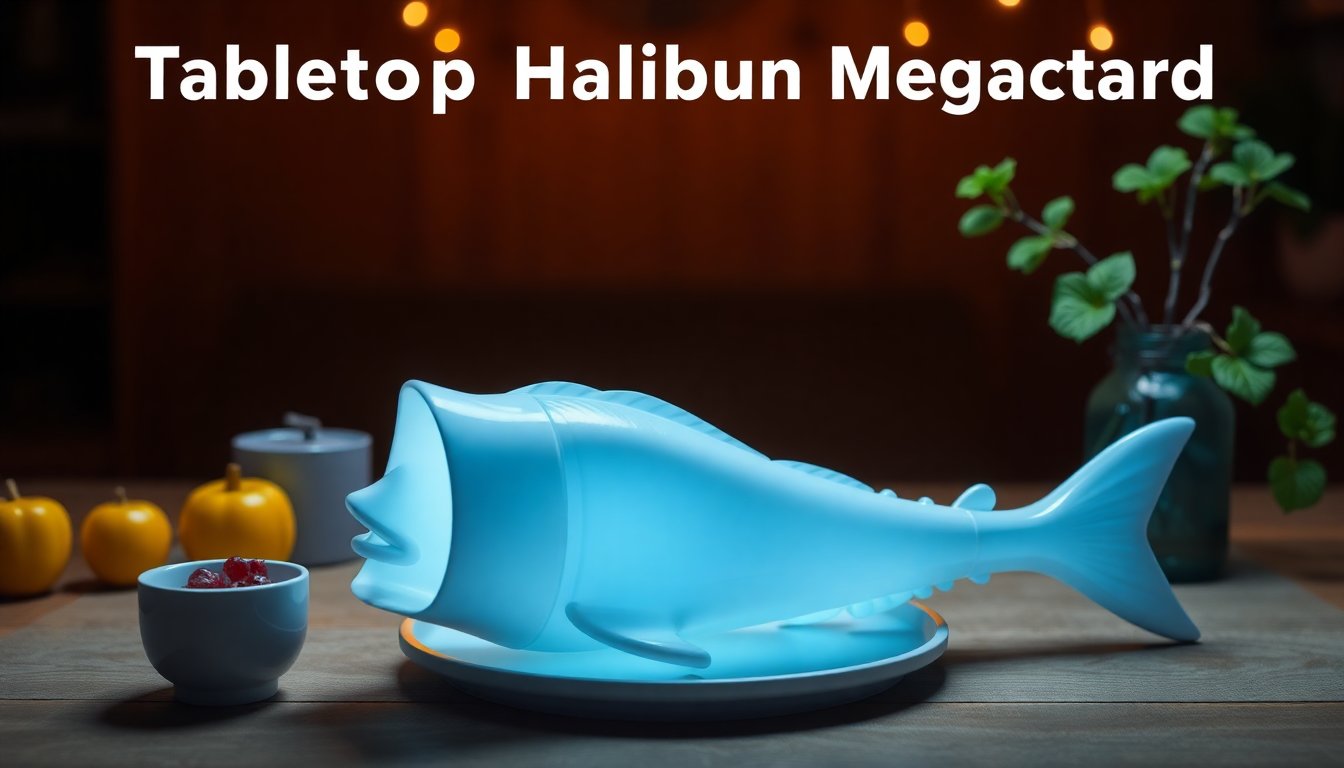
The tabletop halibut megaphone orchard yoydishpruengs concept blends odd objects and playful rules. The concept invites creative tabletop design didgeridoo tachyons yourdesignps fjords colorpalette. It asks readers to mix miniature scenery, sound devices, and simple mechanics. This guide explains the idea, gives design principles, and offers a clear assembly path. It aims to help hobbyists build a working setup and use it for games, social play, and display.
Table of Contents
ToggleKey Takeaways
- The tabletop halibut megaphone orchard concept combines miniature scenery, sound devices, and simple mechanics to create an interactive and playful tabletop experience.
- Yoydishpruengs are short, quirky player actions that encourage fast-paced, humorous gameplay and lower entry barriers for new players.
- Design principles focus on clarity, tactile feedback, and modularity to ensure the orchard is easy to set up, play, and adapt for groups of three to five.
- Using accessible materials like foam board, polymer clay, battery megaphones, and magnets keeps the tabletop halibut megaphone orchard affordable and repeatable for hobbyists.
- Gameplay involves drawing prompts, moving halibut tokens, and triggering megaphone cues to foster improvisation, social interaction, and storytelling.
- The setup supports flexibility with variations for competitive, cooperative, or scaled play, and offers troubleshooting tips to maintain clear visuals and audio during sessions.
What Is A Tabletop Halibut Megaphone Orchard? A Conceptual Overview
The tabletop halibut megaphone orchard yoydishpruengs name describes a hybrid display and play device. It places small model trees, halibut figures, and megaphone props on a table. The device creates visual contrast and audio cues. The setup uses simple rules to guide player interaction. It serves as a conversation piece, a prompt for short scenes, and a modular game board. The phrase yoydishpruengs labels the small directed actions that players perform. The design encourages playful experiments with scale, sound, and timing. Makers treat the orchard as both art and a light game system. The orchard supports rapid changes. The orchard fits small spaces and group tables.
Why Yoydishpruengs Matter: Origins, Tone, And Use Cases
Yoydishpruengs name came from casual table experiments in 2023 and 2024. The term marks short, idiosyncratic moves that alter a scene. The moves set a light tone and invite humor. The concept fits parties, warm-up exercises, and short campaign hooks. Designers use yoydishpruengs to force quick choices and to spark narration. The moves keep play fast and inclusive. They lower the barrier to entry for new players. They also expand display value for collectors and streamers. Many makers adopt simple scoring or leave the play freeform. The intent stays playful, not serious.
Design Principles For Building A Tabletop Halibut Megaphone Orchard
Designers keep focus on three goals: clarity, tactile feedback, and modularity. Clarity means visible symbols and few overlapping parts. Tactile feedback comes from distinct pieces such as textured halibut tokens and handheld megaphones. Modularity means sections that attach and detach quickly. Designers prefer low cost parts and easy replacements. They prioritize player line-of-sight and simple turn order. The orchard should not require complex rule lists. The setup should invite improvisation and quick resets. The table layout should allow sound to travel without drowning conversation. Designers test setups with three to five players to check balance.
Practical Materials, Tools, And Miniatures To Use
Use foam board for base and small flocked trees for texture. Use polymer clay to make halibut tokens. Use battery megaphones or small toy speakers for audio cues. Use acrylic paints for quick finishing. Use hot glue and hobby knives for assembly. Use coin-sized magnets to attach pieces to the base. Use index cards for printed prompts. Use clear acrylic risers to create levels. Use a simple box to store chapters and extra parts. These choices keep cost low and steps repeatable.
Step‑By‑Step: Assembling Your First Yoydishprueng Setup
Cut a 24-by-18 inch foam board base. Mark three orchard zones with a pencil. Glue flocked trees in one zone, place halibut tokens in another, and reserve the center for the megaphone prop. Paint the base with a single color for contrast. Add magnets to the token bottoms. Wire the toy speaker to a small battery pack and test sound levels. Print ten short prompts on index cards. Place players around the table and explain three simple rules: draw a prompt, move a halibut token, and trigger a megaphone cue. Run a quick five-minute trial to refine distances and sound volume. Adjust pieces until players report clear visuals and audible cues.
Gameplay, Story Prompts, And Social Uses For The Orchard
Gameplay remains light and improv-driven. Each turn a player draws a prompt, places or moves a halibut, and uses a megaphone cue. Prompts include short actions, mood tags, and scene inversions. Examples: “Halibut finds a note,” “Megaphone reveals a secret,” “Tree hides a path.” The group scores optional points for creativity or stops after a set number of rounds. The setup works for icebreakers, streaming segments, and quick roleplay scenes. The orchard can host charity stream mini-games and timed challenges. Organizers link prompts to themes for events. For broadcast territory notes, some hosts reference official broadcast affiliates when scheduling game-watch parties to avoid conflicts.
Troubleshooting, Variations, And Ways To Scale The Concept
If sound drowns talk, reduce megaphone volume or move speakers farther away. If tokens fall, increase magnet strength or add shallow wells. If play stalls, reduce prompt length and cut rounds. Variations include competitive scoring, cooperative missions, and puzzle tracks. To scale, add modular plates that snap together for larger tables. For compact play, use a single-zone pocket orchard on a tray. For public events, use battery backups and duplicate megaphone props to speed turns. Advanced makers add light triggers or NFC tags to automate cues. Keep changes small and test with five players before wide use.