
Picture this: You walk barefoot across a living room rug so plush your toes sink in. Your hand glides over a cool marble countertop, then brushes a linen pillow. That’s texture interior design in action—where every surface tells a story, and your senses get a front-row seat. If you’ve ever wondered why some rooms feel flat while others feel alive, texture is the secret ingredient you’re missing.
Table of Contents
ToggleWhy Texture Interior Design Matters
Texture interior design isn’t just about looks. It’s about how a space feels—literally and emotionally. Imagine a room with only smooth, shiny surfaces. It might look clean, but it feels cold and uninviting. Now add a chunky knit throw, a rough-hewn wood table, and a velvet chair. Suddenly, the room feels warm, layered, and interesting. Texture interior design bridges the gap between what you see and what you feel.
Here’s the part nobody tells you: Texture can fix design mistakes faster than a new paint color. If your space feels off, try adding a new texture before you buy anything else. You might be surprised at the difference.
Types of Texture in Interior Design
Texture interior design comes in two main flavors: visual and tactile. Let’s break it down.
Visual Texture
Visual texture tricks your eyes. Think wallpaper that looks like brick, or a rug with a bold pattern. You see depth, even if the surface is flat. Visual texture adds interest without cluttering your space.
Tactile Texture
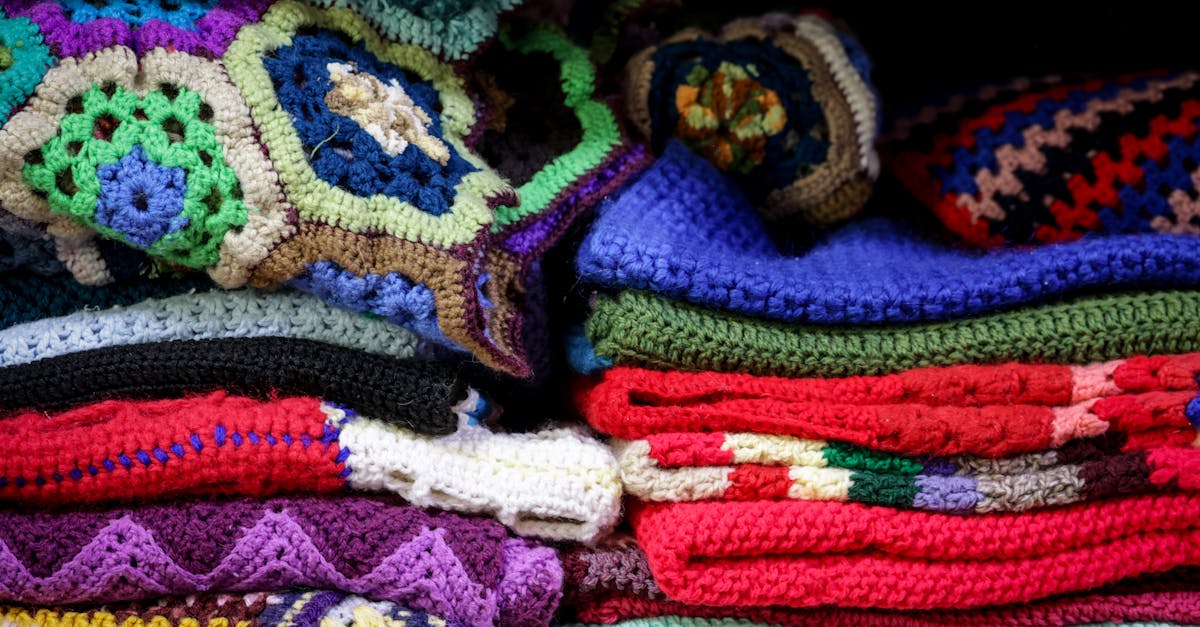
Tactile texture is all about touch. It’s the nubby weave of a wool blanket, the smoothness of glass, or the roughness of a jute rug. Tactile texture invites you to reach out and connect with your space.
How to Use Texture Interior Design in Every Room
If you’ve ever struggled to make a room feel “finished,” texture interior design is your shortcut. Here’s how to use it, room by room.
Living Room
- Layer throw pillows in different fabrics—velvet, linen, leather.
- Add a woven basket for blankets or magazines.
- Mix wood, metal, and glass in your coffee table setup.
Pro tip: Don’t match everything. Contrast is your friend. A smooth leather sofa pops next to a chunky knit throw.
Bedroom
- Choose bedding with a mix of textures—crisp cotton sheets, a quilted coverlet, a faux fur throw.
- Hang curtains in a heavy fabric for a cozy vibe.
- Use a natural fiber rug for warmth underfoot.
Here’s why this works: Your bedroom should feel like a hug. Texture interior design makes it happen.
Kitchen
- Combine glossy subway tiles with matte cabinets.
- Display wooden cutting boards and ceramic bowls.
- Try a woven runner or textured placemats.
Even small kitchens benefit from texture. It keeps the space from feeling sterile.
Bathroom
- Mix smooth tiles with a rough stone accent wall.
- Use fluffy towels and a woven hamper.
- Add a wooden stool or bamboo bath mat.
Bathrooms often get overlooked, but texture interior design can turn yours into a spa retreat.
Common Texture Interior Design Mistakes (And How to Fix Them)
Let’s get real. Most people make the same mistakes with texture interior design. Here’s what to watch out for—and how to fix it fast.
- Too Much of One Texture: All-smooth or all-rough surfaces make a room feel flat. Mix at least three textures in every space.
- Ignoring Scale: Tiny patterns on everything can look busy. Balance big, bold textures with smaller, subtle ones.
- Forgetting the Ceiling and Floor: Texture isn’t just for eye level. Try a textured ceiling paint or a patterned rug.
- Overdoing It: Too many textures can feel chaotic. Edit until the room feels balanced, not busy.
If you’ve made these mistakes, you’re not alone. I once filled a room with so many textured pillows, guests had nowhere to sit. Lesson learned: Less is sometimes more.
Texture Interior Design for Different Styles
Texture works for every style, but the approach changes. Here’s how:
- Minimalist: Stick to a few textures—think smooth concrete, soft wool, and matte ceramics. Let each one shine.
- Boho: Go wild with layers—macramé, rattan, fringe, and patterned textiles.
- Modern: Mix sleek surfaces with one or two bold textures, like a shag rug or a velvet chair.
- Traditional: Use classic textures—silk drapes, carved wood, and tufted upholstery.
Here’s the secret: Texture interior design isn’t about following rules. It’s about what feels right to you.
Who Should Use Texture Interior Design?
If you want your home to feel inviting, texture interior design is for you. It’s perfect for anyone who’s tired of spaces that look good in photos but feel empty in real life. If you love a clean, simple look, use texture to add interest without clutter. If you crave cozy, layer textures until your space feels like a warm hug.
But if you want a space that’s all about sharp lines and zero fuss, you might prefer to keep texture to a minimum. That’s okay—design is personal.
Actionable Tips for Adding Texture Today
Ready to try texture interior design? Start small. Here’s how:
- Swap out one flat item for something textured—a pillow, a vase, a rug.
- Mix materials in your decor. Pair glass with wood, metal with fabric.
- Bring in nature. Plants add visual and tactile texture.
- Use lighting to highlight textured surfaces. Shadows make textures pop.
Don’t overthink it. Trust your senses. If it feels good to touch and looks interesting, you’re on the right track.
Final Thoughts: The Power of Texture Interior Design
Texture interior design isn’t just a trend. It’s the missing link between a house that looks nice and a home that feels amazing. If you’ve ever walked into a room and felt instantly at ease, texture probably played a part. So go ahead—touch, layer, and play. Your senses will thank you.