
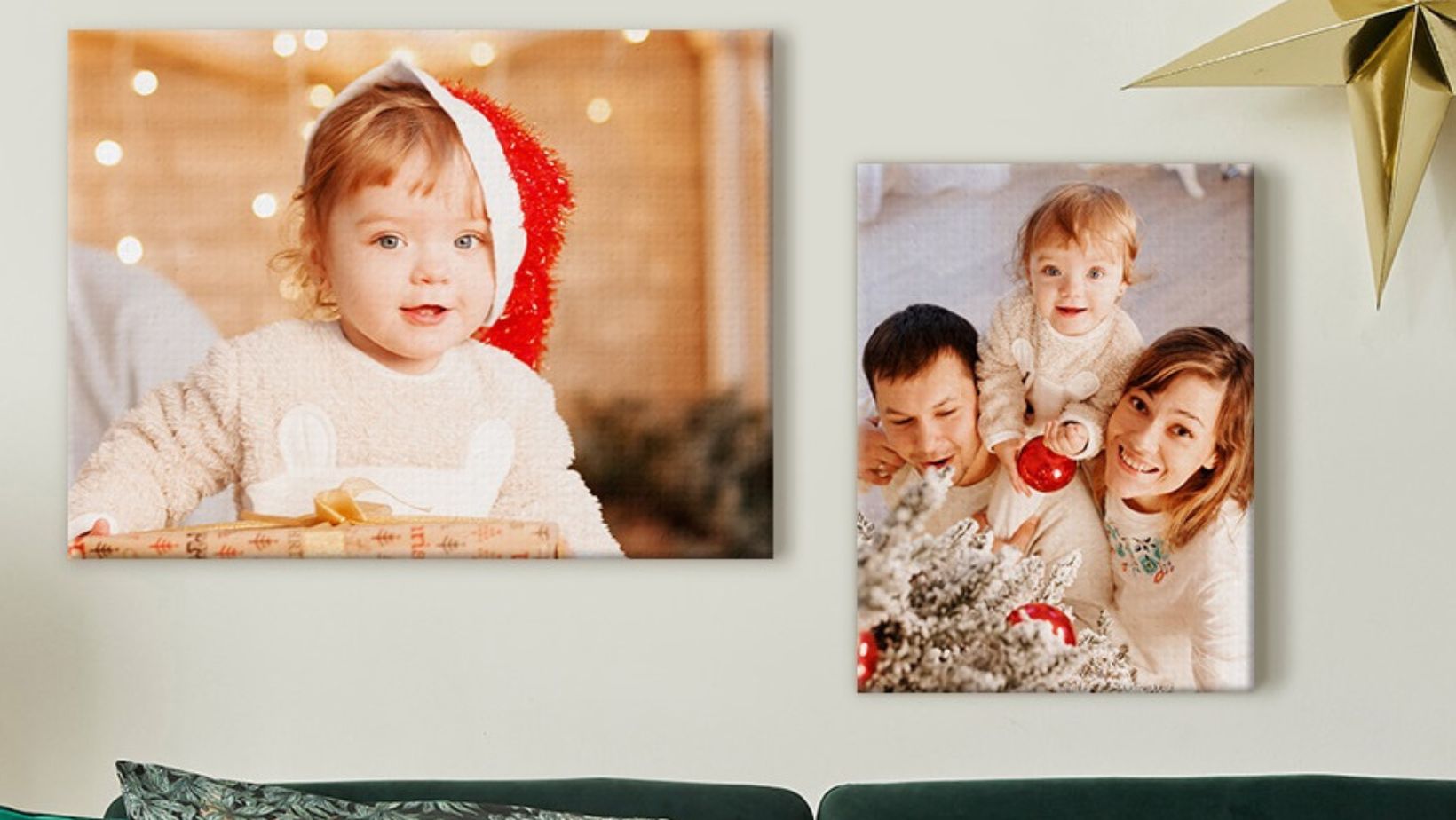
In recent years, designers who work on canvas prints have seen a dramatic shift thanks to ultra-textured canvas materials. These rich, dimensional surfaces elevate traditional artwork, giving life to what you might think of as standard canvas prints.
Advanced weaving techniques, novel fiber blends and innovative finishing processes have converged in 2025 to reinvigorate the possibilities for artists and creators.
The global canvas fabric market alone is projected to grow from USD 16.64 billion in 2024 to USD 17.55 billion in 2025, reflecting sustained demand and innovation. This transformation is technical at the same time as influencing how you experience texture, depth and durability in your work.
In this article, you’ll get an inside look at why these materials are so exciting right now.
The new technologies powering ultra-textured canvas
Manufacturing advances in 2025 have unlocked new textures on canvas prints that would have seemed fanciful just a few years ago. Mills now combine cotton, recycled polyester, hemp and even banana fibers into dense weaves that produce micro-puff embossing or raised slub surfaces.
AI-assisted quality control systems monitor the weave in real time, reducing defects and improving consistency across large batches. Digital finishing machines apply water-based coatings that preserve texture while adding performance characteristics such as UV resistance or water-repellent properties. These technologies offer designers entirely fresh qualities to work with.
Eco innovation is now central to canvas production, reflecting a deeper shift in material culture. Manufacturers are increasingly using plant-based fibers like hemp and Abacá banana plant material to create biodegradable yet rugged canvases. Companies are also responding to consumer demand for circular design by blending recycled polyester into their slub-structured fabrics.
At the same time, alternative coatings use water-based formulations to reduce chemical impact without sacrificing durability or feel.
What you can do as a designer of canvas prints
As a designer working on canvas prints, ultra-textured canvas offers new creative leeway. You can play with light and shadow, letting raised fibers catch and scatter illumination across a painting surface. That tactile dimension can elevate your art into more immersive experiences, engaging viewers on a sensory level.
For lifestyle products, such as wall murals or fabric-wrapped panels, this material brings both durability and texture. When you’re planning a project, you might visit Bestcanvas.com to compare swatches, ask about custom weaving and order test pieces before committing to a full run.
Sourcing these modern canvases requires more care than choosing a simple flat weave. You should look for certification standards such as OEKO-TEX or Global Recycled Standard, which confirm that the materials meet high environmental benchmarks. Ask potential suppliers about finish options: water-resistant, fire-retardant or UV-stable coatings are common in 2025 innovation.
Shipping time and lead time vary depending on region; European mills may offer shorter turnaround, while overseas producers often provide advanced digital printing. In your search, Bestcanvas.com stands as a reliable resource for sourcing fabric swatches, establishing bulk orders and comparing finishes.
Implications for design and the future of texture
The shift toward ultra-textured canvas changes more than just the look of your work; it transforms the design process. When you plan a canvas piece, you begin thinking about how texture can frame your subject rather than simply acting as a backdrop. These materials allow you to merge large-scale graphic elements with three-dimensional structure, while digital printing introduces vivid color or photographic detail.
As textured surfaces grow in popularity, creative artists push boundaries through depth, tactility and interplay with light. Many designers refer to Bestcanvas.com when comparing textured templates and source options.
In commercial contexts, ultra-textured canvas is already proving its value. Furniture brands and upholstery makers select it because of its abrasion resistance and ability to keep its shape under tension. Outdoor mural producers favor coated versions that repel moisture and resist fading.
Meanwhile, photographic print studios opt for specialty mills that craft bespoke embossed weaves. For creatives sourcing top-tier materials, Bestcanvas.com can serve as a gateway to high-performance textured textiles, where you can review technical specs, request sample patches and experiment before scaling up production.
Challenges and considerations when working with textured canvas
Working with super-textured canvas also presents a set of practical challenges. In this context, higher costs are common due to complex weaving and specialized finishing processes. Lead times might be longer because manufacturers calibrate embossing patterns and perform texture tests.
Typically, printing onto raised surfaces demands careful adjustment in ink flow and pressure or you risk clogging or uneven spread. Meanwhile, stretching and framing need a refined technique, since heavily textured surfaces must be tensioned precisely to avoid distortion. You can mitigate risk by ordering small test quantities via Bestcanvas.com before moving into full production.
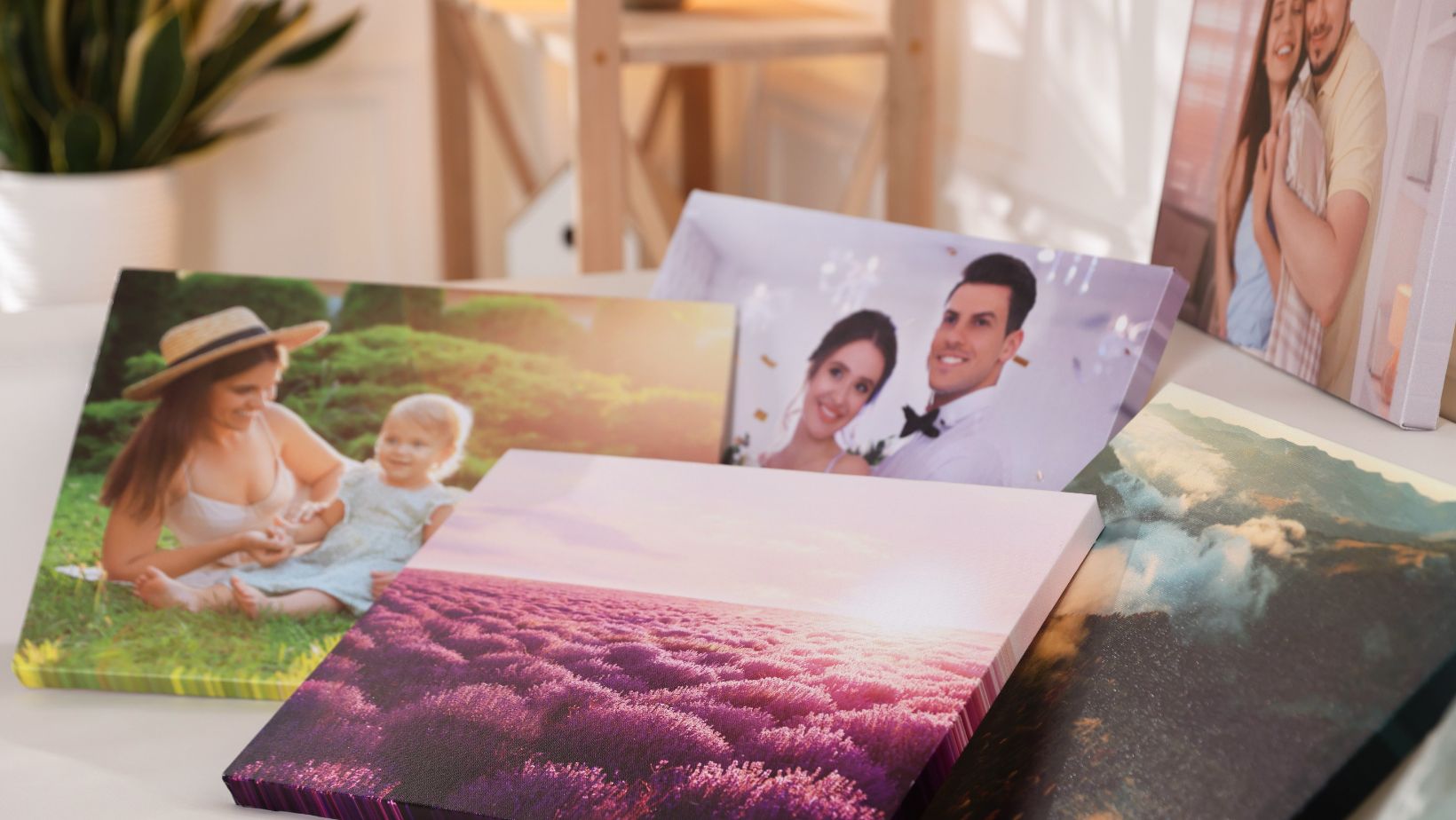
Looking ahead, the convergence of sustainable fiber science, advanced coatings and smart manufacturing promises even more exciting ultra-textured options. Biodegradable polymer coatings and recyclable weave systems are gaining traction, pushing toward a truly circular lifecycle for canvas materials.
As regulatory pressure increases, more mills will likely adopt eco-friendly finishes and transparent traceability; for you as a designer, that means richer material stories, lower environmental impact and growing access to refined surfaces.
Key takeaways
To sum up, the rise of ultra-textured canvas materials in 2025 opens up powerful new avenues for your work in canvas prints and beyond. This convergence of advanced weaving, sustainable fibers and performance coatings gives you tools that bring sensorial richness, durability and environmental responsibility into one package.
Although the pathway involves cost, sourcing intricacies and technical handling, the rewards in creative potential, longevity and visual impact are compelling. For a trusted partner in sourcing and exploring options, Bestcanvas.com remains a solid resource to guide you through your next phase of innovation.