
Quick Answer
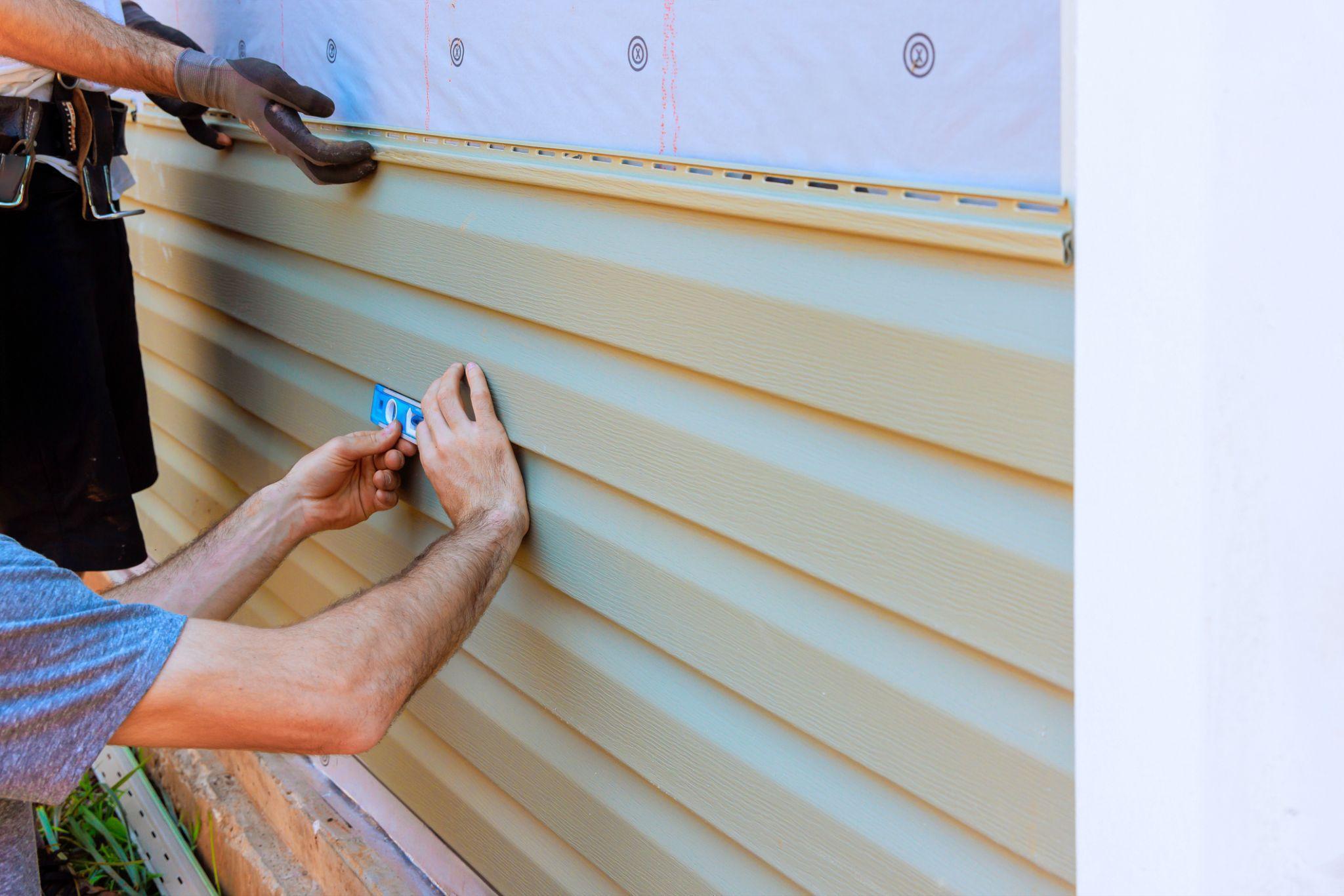
Homeowners across the region favour vinyl siding in Calgary because it balances affordability with low upkeep. Installed pricing typically runs between 7 and 13 dollars per square foot, depending on panel grade and wall preparation. The material resists moisture, shrugs off fading, and handles temperature swings well when fitted correctly, making it a practical exterior choice for variable prairie conditions and tighter renovation budgets.
Introduction
Every exterior renovation begins with the same quiet worry: choosing a cladding that survives the local climate without draining the budget. Homeowners weighing their options face a market crowded with competing claims about lifespan, maintenance, and value. That uncertainty is reasonable, because the wrong panel choice shows up as warping, fading, or water intrusion within a handful of seasons.
This is where vinyl earns its reputation as a dependable, cost-conscious option. When fitted by experienced vinyl siding installation in Calgary crews, the product handles dramatic temperature shifts, sheds moisture, and holds its colour with minimal effort from the owner.
The reality is that performance hinges less on the material itself and more on correct fastening and preparation, which is why the workmanship behind the panels deserves as much attention as the panels themselves.
What Vinyl Siding Actually Costs and What Drives the Price
Pricing surprises remain the most common source of friction in any exterior upgrade. A figure quoted by the square foot rarely matches the final invoice, because labour, wall condition, and trim detailing all move the total in ways homeowners seldom anticipate. Knowing these variables before you sign keeps the budget realistic and the schedule intact.
Breaking Down the Estimate
The advertised rate usually covers panels and basic fitting, nothing more. The true vinyl siding installation cost depends on how much preparation the existing structure demands, and older properties often conceal problems behind their original cladding. Rotted sheathing, uneven framing, and an aging moisture barrier each add hours to the schedule and dollars to the quote.
Material grade carries equal weight. Entry-level panels sit at the lower end of the scale, while insulated and architectural profiles command a premium for their thickness and rigidity. Selecting vinyl siding in Calgary means weighing upfront price against the performance you expect across decades rather than seasons.
A realistic estimate divides roughly as follows:
- Materials: 35 to 45 percent of the total, shifting with panel thickness and finish.
- Labour: 40 to 50 percent, climbing on intricate rooflines and taller walls.
- Preparation and disposal: 10 to 20 percent, tied to the home’s age and hidden condition.
Pro Tip: Request a quote that itemizes preparation separately from fitting. A single lump figure hides whether the crew has budgeted for flashing and house wrap repair, and that gap is exactly where mid-project change orders begin.
Why the Cheapest Bid Often Costs More
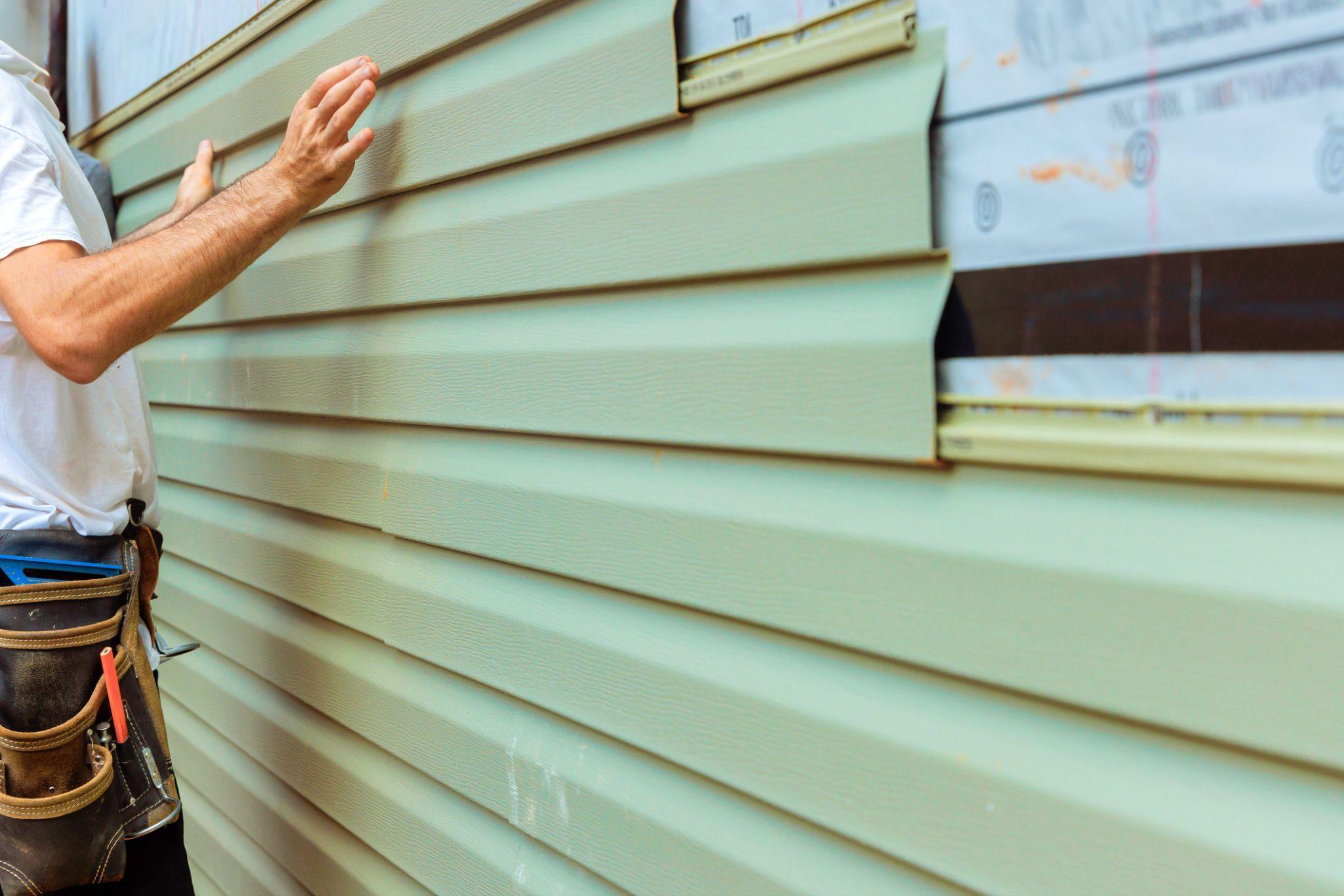
The lowest number on the table tends to skip details that govern lasting performance. Skimped fastening, absent house wrap, and missing flashing trim the price today while inviting expensive callbacks within a few winters. The outcome is a wall that looks complete yet quietly fails to manage water behind an otherwise tidy face.
Durability Through Freezing and Thawing Cycles
Few climates test exterior cladding like one that swings between deep cold and sudden warmth. Vinyl handles these shifts capably, though the grade you choose decides whether a wall stays flat or buckles after its first Chinook.
Why Panel Grade Decides Cold Performance
Repeated freezing and thawing forces every panel to expand and contract, sometimes several millimetres across a single wall run. Standard profiles can turn brittle once temperatures fall sharply, while impact-modified formulations keep their flexibility and resist cracking from hail or wind-driven debris.
That difference rarely surfaces in homeowner research, yet it separates a surface lasting decades from one splitting within a few seasons. Choosing the best siding material for Calgary homes begins with matching panel rigidity to the thermal load a building genuinely faces. The three grades most relevant to the local climate compare as follows:
|
Grade |
Thickness |
Cold Resistance |
Relative Cost |
|
Standard |
approx. 1.0 mm |
Moderate |
Lowest |
|
Impact Modified |
approx. 1.2 mm |
High |
Mid |
|
Insulated |
1.2 mm plus foam backing |
High |
Highest |
For homes facing severe winters, the impact modified tier balances resilience against price, while insulated panels reward owners who value energy efficiency.
Even premium panels fail when fitted too tightly, since the material needs room to move against temperature change. Skilled crews leave a deliberate gap at every fastener, permitting expansion without distortion.
Sound fitting in this climate rests on a few essentials:
- A consistent expansion gap left behind each nail head.
- Corrosion-resistant fasteners set to depth, never driven flush.
- Flashing and backing that let trapped moisture escape freely.
Experienced Calgary exterior siding contractors read these tolerances instinctively, which is why workmanship often outweighs the panel brand on a final quote.
The takeaway stays simple: durable cladding comes from the correct grade joined to careful technique.
Knowing When a Replacement Makes Sense
Cladding rarely fails overnight. It declines gradually, and reading those early signals prevents ordinary wear from becoming structural damage that spreads behind the wall.
Signs the Surface Has Reached Its Limit
Persistent warping, dampness discovered during small repairs, and fading that no paint can rescue all point toward the end of a panel’s service life. When patching costs begin to approach a meaningful share of starting fresh, planning a siding replacement in Calgary becomes the sounder financial choice rather than a recurring expense.
Common warning signs worth watching include:
- Panels that bubble, warp, or pull away at the seams.
- Soft or damp sheathing uncovered during routine maintenance.
- Rising heating bills that hint at failing insulation behind the cladding.
Weighing Vinyl Against Other Materials
Vinyl competes directly with fibre cement, engineered wood, and metal, and each option trades price against weight, upkeep, and expected lifespan. In practice, vinyl holds its ground for homeowners who want dependable weather resistance and predictable costs without committing to frequent refinishing.
The right moment to act arrives when upkeep starts to outpace value, and a planned upgrade protects both daily comfort and long-term resale.
Why Vinyl Remains a Smart Exterior Investment
Choosing the right cladding comes down to balancing upfront price, cold-weather resilience, and the quality of the fitting behind it. The correct panel grade joined to careful technique outlasts cheaper shortcuts by decades, which is where real value sits. For homeowners weighing durability against budget, vinyl siding in Calgary continues to deliver dependable protection and predictable upkeep across demanding seasons.