

Homeowners planning outdoor construction or renovation often compare different approaches to completing their projects, and many quickly realize the importance of choosing professionals with proper credentials. Engaging GTA Grizzly landscaping in Toronto early in the planning process illustrates why licensing, certification, and verified expertise directly contribute to the long-term success and durability of any landscape installation. Whether the project involves interlock construction, grading, lighting, planting, or full-scale design, the long-term value of professional qualification becomes especially clear when considering structural stability, safety, and the performance of outdoor spaces over time.
The Role of Licensing in Landscape Construction
Licensing exists to establish minimum standards for knowledge, artistry, safety, and regulatory compliance. Landscape work may appear straightforward from the outside, but it encompasses a range of disciplines, including engineering principles, environmental science, horticulture, construction techniques, and municipal requirements. A licensed contractor demonstrates a verified understanding of these fields and is held to guidelines that protect property owners from avoidable risks.
Licensing also indicates that the contractor has undergone formal evaluation or fulfilled local requirements related to training, liability insurance, and building standards. These elements are essential for projects that involve structural components—such as retaining walls, interlock surfaces, drainage systems, or grading adjustments—because improper construction can lead to long-term instability, water problems, soil erosion, and ongoing repairs.
Ensuring Proper Site Assessment Before Construction
Landscape projects succeed or fail based on the quality of the initial assessment. Licensed contractors approach site evaluation methodically, analyzing features such as soil structure, drainage patterns, grading, existing vegetation, hardscape placement, and future property use.
This early-stage assessment influences critical decisions including:
- the type of base material required
- the thickness of aggregate layers
- water management strategies
- the layout of interlock or stone
- structural requirements for retaining walls
- suitability of planting species
- placement of lighting and utilities
Unlicensed or inexperienced workers may overlook key environmental and structural factors, resulting in ongoing issues such as water pooling, root damage, frost heave, shifting pavers, or premature plant failure. A licensed professional identifies risks proactively and develops solutions that ensure long-term performance.
Adherence to Local Codes and Regulations
Municipal regulations govern many aspects of landscape construction. These include property boundaries, grading changes, stormwater management, excavation depth, utility safety, and structural standards for retaining walls or elevated surfaces. Licensed contractors remain informed about local guidelines and operate within them to ensure projects comply with legal requirements.
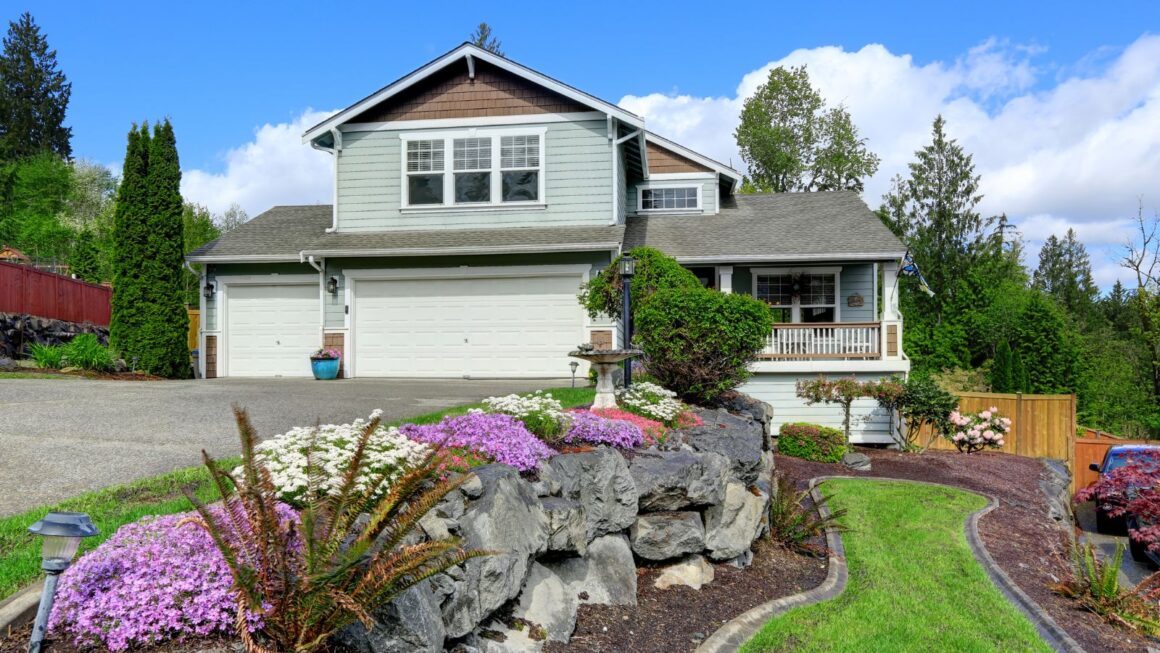
Non-compliant work can trigger fines, mandatory rework, or delays in property transactions. For example, improperly graded surfaces may violate drainage regulations, and structural elements above a certain height often require engineered plans. A licensed contractor manages these considerations responsibly and avoids creating problems that could affect the property in the future.
Professional Knowledge of Materials and Construction Techniques
Landscape construction involves a wide range of materials, each with distinct performance characteristics. Licensed contractors understand how to select products that are suitable for local climate conditions, soil types, and intended usage. They also know how to install these materials correctly to maximize strength, stability, and longevity.
Examples include:
- choosing paver thickness appropriate for vehicle loads
- sizing drainage systems to handle typical rainfall
- selecting plant species adapted to local soil and climate
- determining proper base depth for patios and walkways
- using geotextiles to prevent base contamination
- applying correct compaction techniques
These technical decisions directly influence how well a landscape withstands seasonal changes, wear, and natural aging. Poor material selection or inadequate installation can lead to surface settling, cracking, erosion, and water accumulation.
Durability and Structural Integrity Over Time
The long-term durability of a landscape is not simply a result of quality materials but also the artistry behind the installation. A licensed contractor brings consistent standards that reduce the likelihood of structural failure.
For example:
- Interlock surfaces last longer when installed with proper grading, compaction, and joint stabilization.
- Retaining walls perform effectively only when engineered with the correct base, drainage, and reinforcement.
- Drainage systems function predictably when slopes and outlet points are correctly established.
- Planting beds thrive when soil amendments, spacing, and irrigation are properly coordinated.
- Outdoor lighting systems remain safe and reliable when installed with correct wiring methods and protective components.
Licensed professionals apply proven construction methods that preserve the integrity of each component, ensuring that the landscape remains functional and stable for many years.
Risk Reduction Through Training and Safety Practices
Landscape construction involves inherent risks associated with excavation, power tools, electrical work, and heavy materials. Licensed contractors follow established safety protocols that protect both workers and property owners. Their training reduces the likelihood of accidents, improper installation, or unintentional property damage.
Safety procedures include:
- locating underground utilities before excavation
- ensuring proper load distribution when constructing retaining walls
- using protective equipment and safe operating practices
- managing electrical connections for lighting and powered components
By adhering to regulated standards, licensed professionals minimize hazards and ensure that the site remains safe during and after the project.
Accountability and Traceability
One of the key benefits of working with a licensed contractor is accountability. Licensing establishes a formal record with regulatory bodies, meaning the contractor is responsible for maintaining consistent and ethical practices. Should issues arise, property owners have avenues to address concerns through official channels.
This accountability contrasts sharply with unlicensed work, where there may be no recourse for substandard installations or abandoned projects. Licensing provides transparency, giving homeowners confidence that the contractor operates under recognized standards and regulations.
Insurance Protection and Liability Coverage
Licensed contractors typically carry liability insurance and, when required, workers’ compensation coverage. This protects homeowners from unexpected financial responsibility if an accident or property damage occurs on the site. Without proper insurance coverage, the homeowner may be held liable for injuries or structural damage linked to the project.
Insurance requirements tied to licensing provide an additional layer of security and reassurance, especially for large-scale installations involving excavation, structural elements, or electrical work.
Consistency of Workmanship and Professional Standards
Licensed landscape contractors adhere to established best practices that ensure consistency in quality. Their training and experience allow them to handle complex situations, adapt designs effectively, and resolve issues that appear during construction.
This level of professionalism extends to:
- communication and scheduling
- project documentation
- transparent budgeting
- material sourcing
- long-term maintenance recommendations
Such consistency ensures that the final outcome aligns with both functional and aesthetic expectations.
Long-Term Value and Reduced Need for Repairs
One of the most significant advantages of hiring a licensed contractor is the long-term value they deliver. Durable construction reduces the need for frequent repairs, adjustments, or replacements. Proper grading prevents water damage, well-installed interlock resists shifting, and selecting the correct plants reduces maintenance demands.
Over time, the initial investment in qualified expertise proves more economical than repeated fixes required to correct improper work. This makes licensed landscape services a practical choice for property owners focused on longevity rather than short-term solutions.
Peace of Mind for Homeowners
Working with a licensed landscape contractor offers confidence that the project is completed responsibly, safely, and in accordance with industry standards. Homeowners benefit from reliable communication, professional planning, and long-term performance—all factors that contribute to a landscape that remains stable and attractive for many years.
Hiring a licensed landscape contractor is a crucial step in creating long-lasting and structurally sound outdoor spaces. Licensing supports accountability, ensures adherence to building codes, promotes safety, and establishes a foundation for durable atristry. These factors allow landscape installations to withstand seasonal changes, environmental pressures, and ongoing use while minimizing future repairs. For homeowners seeking reliable and well-planned results, experienced service providers such as GTA Grizzly exemplify the importance of professional standards in delivering landscapes that perform effectively over time.