
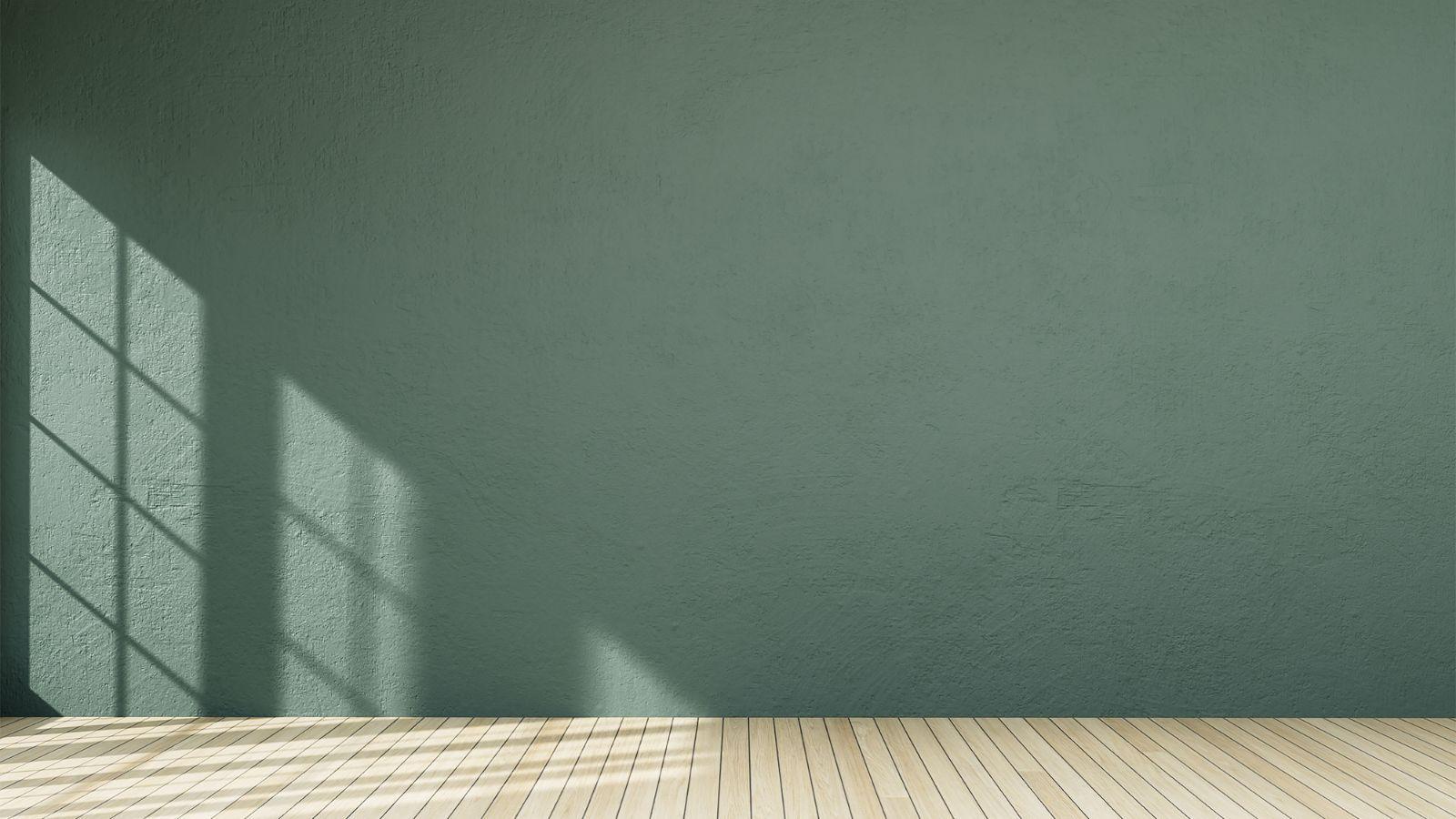
For years, decorating advice for small rooms followed a familiar formula: paint everything white, maximise natural light and keep contrast to a minimum. While that approach can make a space feel brighter, it doesn’t always make it feel interesting.
That’s one reason hue drenching has become one of the most talked-about colour trends in interiors. Rather than relying on contrasting shades, this technique layers different tones of the same colour throughout a room, creating a look that feels cohesive, cocooning and surprisingly sophisticated.
The result is a space that feels designed rather than decorated, even when the footprint is limited.
Table of Contents
ToggleWhat Is Hue Drenching?
Hue drenching involves using a single colour family across multiple surfaces within a room. Walls, woodwork, ceilings, furniture and accessories all sit within the same tonal spectrum, creating a layered yet harmonious effect.
Unlike colour drenching, which often uses the exact same paint shade throughout a room, hue drenching allows for variation. A room might combine several shades of green, ranging from soft sage to deeper olive, or different tones of blue that work together naturally.
This subtle variation creates visual interest without introducing the contrast that can sometimes make smaller rooms feel fragmented.
Why It’s So Effective in Small Spaces
One of the biggest challenges in compact rooms is avoiding visual clutter. Contrasting colours, sharp transitions and multiple focal points can make a space feel busy.
Hue drenching does the opposite.
Because the eye moves smoothly around the room, boundaries become less obvious. Corners feel softer, architectural features blend more naturally and the overall space feels calmer.
At the same time, the layered nature of the trend prevents rooms from feeling flat. Different tones, textures and materials provide depth without overwhelming the space.
This balance between simplicity and character is exactly why designers are increasingly turning to hue drenching in bedrooms, home offices, box rooms and smaller living spaces.
It Feels More Timeless Than Many Colour Trends
Many colour trends rely on bold statements or unexpected combinations that can quickly feel dated.
Hue drenching has a different appeal. Because it focuses on tonal harmony rather than novelty, it often feels more enduring.
Whether using earthy greens, warm terracottas, muted blues or rich browns, the approach creates a sense of cohesion that works across both contemporary and traditional interiors.
It also allows homeowners to embrace colour without committing to something overly dramatic. The effect is confident yet restrained, making it easier to live with long-term.
Texture Becomes More Important
When a room isn’t relying on contrast, texture takes centre stage.
This is where hue drenching becomes particularly interesting. Linen curtains, velvet cushions, painted furniture, ceramics and natural wood all contribute to the overall look while remaining within the same colour family.
Flooring can also play an important role. Warm wood flooring, for example, works beautifully within earthy brown, beige or green schemes, helping reinforce the layered aesthetic without competing for attention. With its intricate pattern, parquet flooring also adds depth and character while allowing the room’s tonal colour palette to remain the focal point.
The combination of tonal colour and varied textures creates rooms that feel rich and inviting despite using a relatively limited palette.
How to Try Hue Drenching at Home
The easiest way to approach the trend is to choose one colour family and build around it gradually.
Some popular combinations include:
- Sage, olive and moss green
- Sky blue, denim blue and navy
- Sand, oat and warm beige
- Terracotta, clay and rust
- Chocolate, mocha and caramel brown
The goal isn’t perfect matching. In fact, slight variations help the room feel more natural and collected.
Adding different materials is equally important. Painted walls, woven textiles, natural timber and upholstered furniture all help create depth while maintaining cohesion.
Is Hue Drenching Worth Trying?
For anyone looking to make a small room feel more intentional, hue drenching is one of the most effective trends to emerge in recent years.
It offers all the comfort and warmth associated with cocooning interiors while still feeling elegant and considered. By focusing on subtle tonal variation rather than stark contrast, it creates spaces that feel layered, sophisticated and surprisingly spacious.
Most importantly, it proves that small rooms don’t need endless colours or statement features to make an impact. Sometimes, choosing one colour and exploring it more deeply creates the most interesting result of all.