
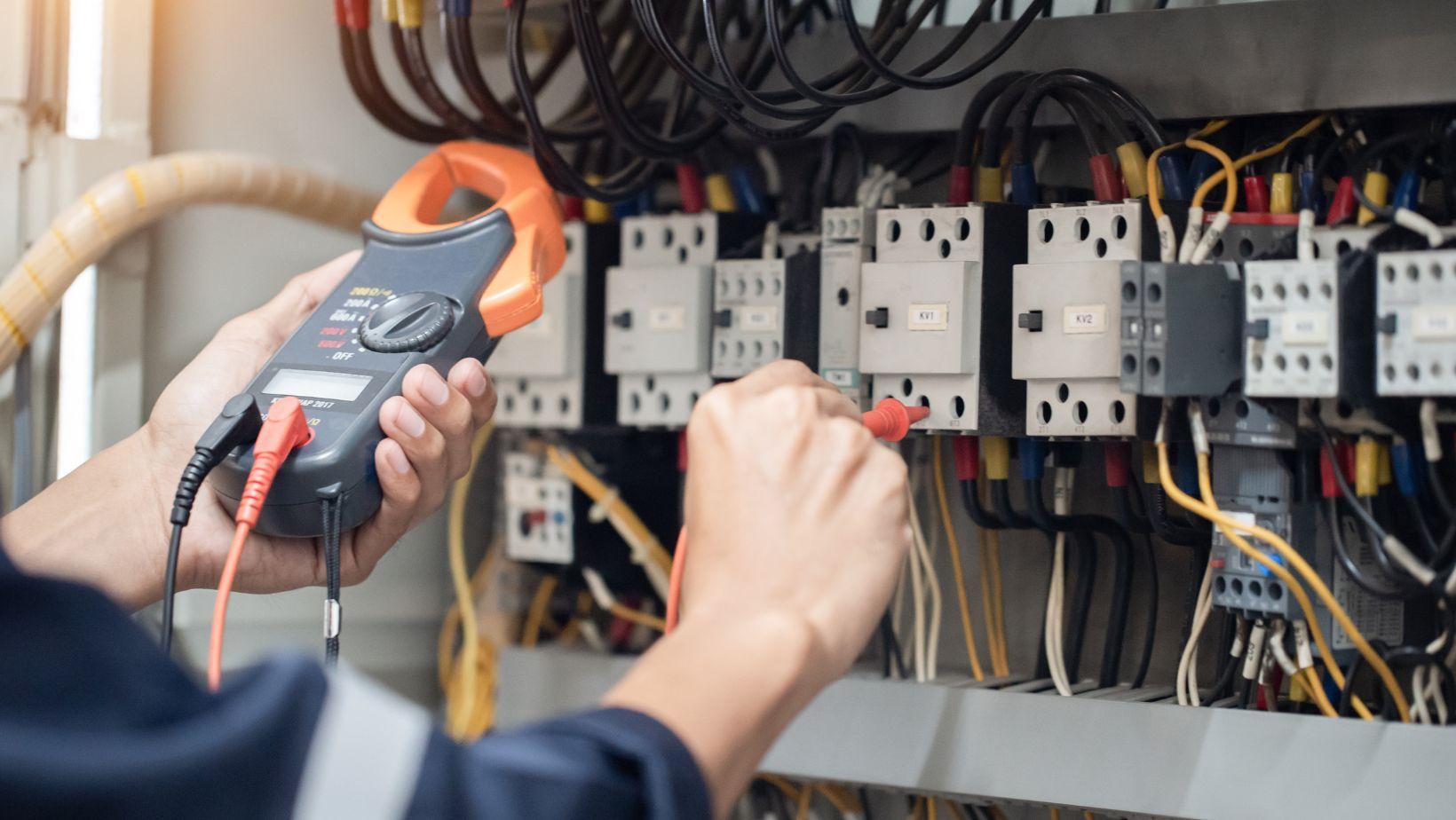
Burlington homeowners tend to notice their electrical system the same way most people do: only when something goes wrong. The lights flicker during a storm, an outlet feels warmer than it should, or a breaker trips for the third time in a week, and suddenly the wiring behind the walls becomes the most important thing in the house. Skagit County’s mix of older farmhouses, mid-century ranch homes, and newer developments near I-5 means the local housing stock covers a wide range of electrical ages and conditions, which is exactly why it pays to know the difference between a minor annoyance and a genuine emergency.
Electrical problems rarely announce themselves clearly. They show up as small, easy-to-dismiss symptoms long before they turn into a fire hazard or a total power loss. Below are seven signs that it’s time to stop troubleshooting on your own and call in a licensed professional.
Table of Contents
Toggle1. A Burning Smell With No Obvious Source
A faint, acrid, plastic-like odor near an outlet, switch, or your breaker panel is one of the clearest signs of overheating wires or a failing connection. Unlike a burnt-dinner smell, this one lingers and tends to concentrate around a single fixture. Insulation on old wiring can degrade and smolder for hours before anything visibly ignites, so this is not a symptom to wait out overnight.
2. Lights That Flicker or Dim for No Reason
Occasional flickering when a large appliance like an air conditioner or well pump kicks on can be normal. But lights that dim randomly throughout the house, or flicker even when nothing else is running, often point to a loose connection somewhere in the circuit, a strained main panel, or a utility-side issue that a homeowner shouldn’t try to diagnose alone.
3. Breakers That Trip Repeatedly
A breaker is designed to trip once in a while, that’s its job. A breaker that trips several times a week, or one that won’t reset at all, usually means the circuit is overloaded, shorted, or wired incorrectly. Repeated tripping is the panel’s way of telling you it’s fighting a losing battle, and ignoring it long enough can damage the panel itself.
4. Outlets or Switches That Feel Warm, Buzz, or Show Discoloration
Touch a wall switch or outlet cover and it should feel neutral, not warm. Warmth, a faint buzzing sound, or brown and black scorch marks around the plate are signs of arcing inside the box, which generates heat and is a leading cause of electrical fires in residential homes. This is one of the few electrical symptoms where the smart move is to stop using that outlet immediately rather than waiting for a scheduled appointment.
If you’re already noticing two or more of these signs, it’s worth having a professional take a look before things get worse. Homeowners in the area can get affordable electrical repair in Burlington from a licensed electrician who can inspect the panel, trace the fault, and fix it correctly the first time, rather than masking the symptom with a new breaker or outlet cover.
5. Sparks or Visible Arcing When Plugging In a Device
A tiny, harmless-looking spark when you plug something in can happen occasionally and usually isn’t cause for alarm. But larger sparks, a popping sound, or repeated arcing from the same outlet means the receptacle’s internal contacts are damaged or the wiring behind it is compromised. This is a job for a professional, not a replacement outlet from the hardware store.
6. Partial Power Loss in One Room or Circuit
When one room or a single circuit loses power while the rest of the house works fine, the problem is usually localized to a bad connection, a failed breaker, or damaged wiring on that run. It’s tempting to just avoid that outlet and move on, but an isolated outage is often an early warning of a bigger fault developing in the same circuit.
7. An Aging Panel or a History of DIY Wiring Work
Homes built before the 1990s in Skagit County sometimes still have original panels that were never sized for today’s electronics, HVAC systems, and kitchen appliances. Add in a few decades of DIY additions, and small problems can compound quickly. Even without an obvious symptom, a panel over 25 to 30 years old, or one with unpermitted work behind it, deserves a professional inspection before it becomes an emergency rather than after.
What to Do While You Wait for Help
If you notice burning smells, sparking, or a hot outlet, turn off the breaker for that circuit if you can safely reach the panel, unplug anything nearby, and avoid using the outlet or switch until it’s inspected. According to the National Fire Protection Association, electrical failures are a leading cause of home structure fires, and most of them are preventable with early inspection and maintenance. The Electrical Safety Foundation International also recommends having a qualified electrician evaluate any home showing these warning signs rather than relying on temporary fixes.
Why Timing Matters
Electrical faults rarely stay the same size. A flickering light today can become a tripped breaker next month and a scorched outlet box a year later. Catching the problem at the flickering-light stage is cheaper, faster, and safer than catching it after something has already started to smolder. That’s true whether you own a decades-old farmhouse near the Skagit River or a newer build closer to town.
Home service businesses in Burlington and the surrounding communities also depend on being easy to find online when a homeowner is searching for help at 9 p.m. on a Friday. For contractors and local companies looking to strengthen their own visibility, the team at pushyourdesign.com covers practical local search marketing strategies for service-area businesses, which can be just as important as the technical work itself when a customer needs a fast response.
How to Choose the Right Electrician for the Job
Not every electrical issue needs a same-day emergency call, but when you do need one, a few quick checks can save you a headache later. Confirm the electrician is licensed and insured in Washington State, ask whether they carry the parts needed for common panel and outlet repairs on the truck, and get a clear answer on pricing before any work starts rather than after. A reputable company will also explain what caused the problem, not just fix the symptom, so you know whether it’s an isolated issue or a sign of a larger wiring problem in the home.
It’s also worth asking how quickly they can respond outside normal business hours. Electrical emergencies don’t wait for convenient timing, and a company that treats after-hours calls as an afterthought usually isn’t the right fit for something as time-sensitive as a hot outlet or a repeatedly tripping breaker.
The Bottom Line
None of these seven signs are things to sit on. A burning smell, a hot outlet, or repeated breaker trips are your home’s way of telling you something behind the walls needs attention now, not next month. If you’ve noticed even one of these symptoms recently, it’s worth getting a licensed electrician out to take a look before a manageable repair turns into a much bigger, and more expensive, problem.