
There’s a particular kind of quiet that settles over a house during a blackout. No hum from the fridge. No blinking clock on the microwave. Just you, a few flashlights, and the sudden realization that you’ve been meaning to look into a generator for two years now.
Most homeowners who eventually install a whole-house generator do it reactively after a storm, after a spoiled freezer full of groceries, after a medically fragile family member spent a night without climate control. And in that scramble, a lot of bad assumptions get made. Some of them are harmless. Others end up costing people thousands of dollars or, worse, put their home at risk.
Here’s what tends to trip people up, and what’s actually true.
Table of Contents
Toggle“It’ll just kick on automatically, right?”
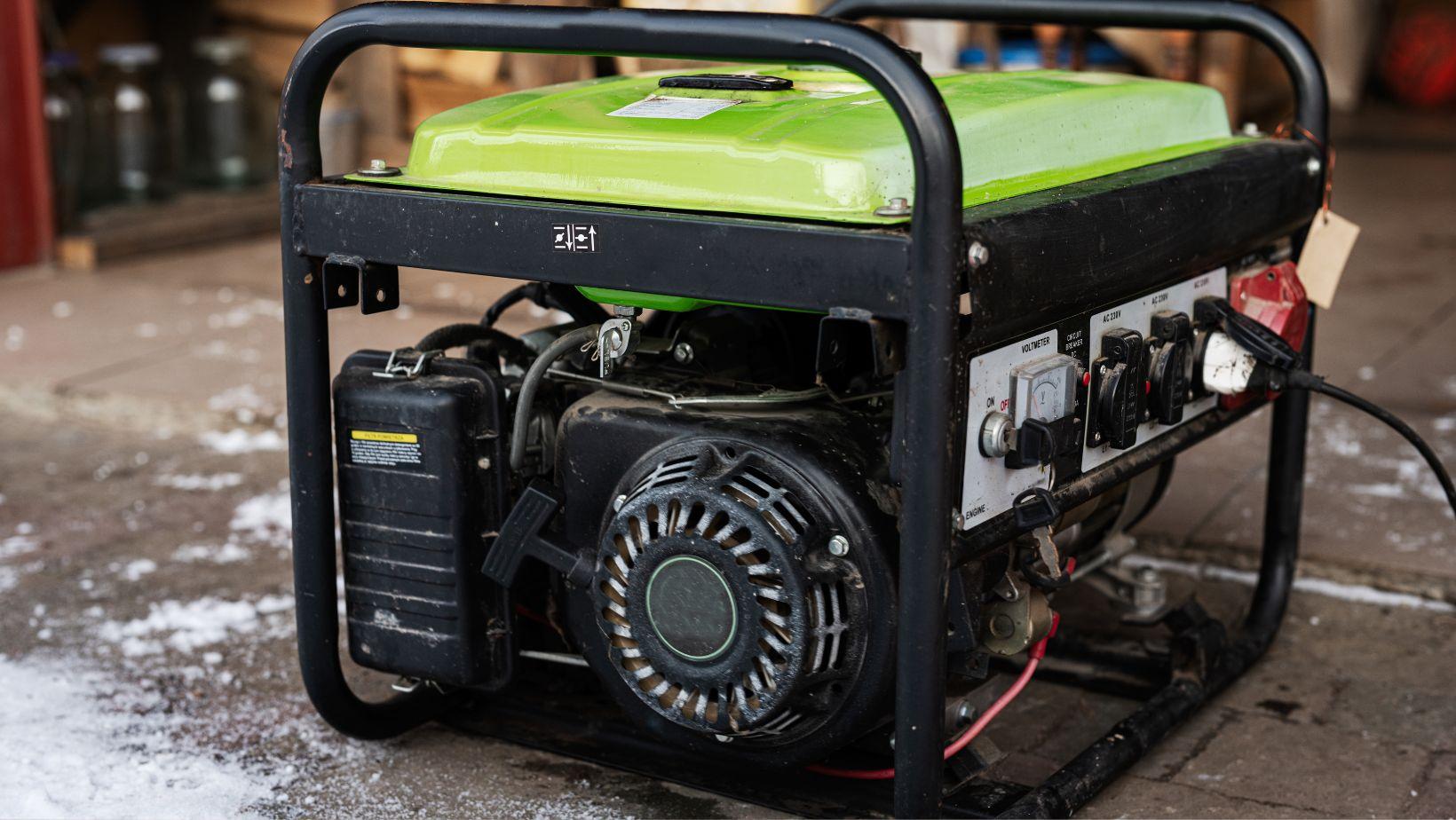
This is the most common misconception, and it’s an easy one to have portable generators require you to manually haul them out, fuel them, and plug appliances in one at a time. Whole-house systems are a different animal entirely. A properly installed unit sits outside the home permanently, wired into an automatic transfer switch, and monitors your utility power continuously. When the grid drops, it switches over in seconds, often before your alarm clock even resets.
But “automatic” doesn’t mean “install it and forget it forever.” The system needs a transfer switch sized correctly for your panel, and it needs to be tested periodically most units run a short self-test weekly on their own, but a professional check-up once or twice a year catches problems a self-test won’t, like a stale fuel line or a battery that’s lost its charge. Skipping that maintenance is how people discover, mid-outage, that the generator that was supposed to save them hasn’t run in eight months.
“Bigger is always better”
There’s a tempting logic to just buying the biggest unit on the lot. More power, more peace of mind what could go wrong? In practice, oversizing wastes money upfront and can actually run less efficiently over time, because a generator that’s too large for the load it’s serving cycles inefficiently and burns more fuel per kilowatt delivered.
The better approach is a proper load calculation: an electrician tallies up what actually needs to stay powered HVAC, refrigeration, well pump, medical equipment, a handful of circuits versus what can wait. Most households don’t need to power literally everything simultaneously; they need the important 70-80% covered reliably. That number determines generator size, not curb appeal or “just in case” padding.
Fuel source confusion
Natural gas and propane get treated as interchangeable by a lot of first-time buyers, and while both work, the decision has real consequences. Natural gas offers an unlimited supply as long as utility lines are intact (which, notably, isn’t guaranteed in every disaster scenario) and never needs refilling. Propane requires an on-site tank, which means periodic refills and upfront cost for the tank itself, but it also means total independence from the gas utility useful if you’re in a rural area or somewhere prone to widespread infrastructure damage.
Neither is objectively correct. It depends on what’s already running to your house, your region’s outage patterns, and how much you want to rely on external delivery versus a tank sitting in your yard. This is a conversation worth having with an installer before falling in love with a specific generator model, because the fuel decision can eliminate certain units from consideration entirely.
The permitting and installation part nobody mentions
Here’s where the DIY fantasy usually falls apart. A whole-house generator isn’t a plug-and-play appliance it involves gas line work, electrical panel integration, a concrete or composite pad, local permitting, and in many municipalities, an inspection before the system can legally operate. Homeowners who try to shortcut this process (or hire whoever’s cheapest without checking licensing) sometimes end up with a generator that technically runs but fails inspection, voids its warranty, or creates a genuine safety hazard from improper gas or electrical connections.
This is really a job for a licensed, experienced team from the load calculation through the final inspection sign-off not a weekend project. If you’re weighing your options, a proper whole-house generator installation handled by licensed electricians covers the permitting, the sizing, and the transfer switch wiring as one coordinated process, rather than a patchwork of separate contractors who may not be talking to each other. That coordination is usually the difference between a system that quietly works for fifteen years and one that generates callbacks every storm season.
It’s also worth checking your local codes directly placement setbacks from windows and property lines, noise ordinances, and carbon monoxide clearance requirements vary significantly by jurisdiction, and a generator installed too close to a window has genuinely killed people from CO exposure. The fire safety standards for generators published by the National Fire Protection Association lay out clearance and ventilation requirements that any reputable installer should already be following, but it doesn’t hurt to know what to ask about.
Maintenance gets treated as optional
A generator is a small engine, and small engines need the same basic care as a car: oil changes, filter replacement, battery checks, and periodic load testing under real conditions rather than just the automated self-test. The units that fail when they’re actually needed are almost always the ones that sat neglected between storms.
Most manufacturers recommend service every 100-200 hours of runtime or annually, whichever comes first, and many installers offer a maintenance plan that bundles this in so it’s not something you have to remember to schedule yourself. Given that the entire point of the system is reliability during an emergency, this is not the corner to cut.
Underestimating the planning side
Beyond the hardware, there’s a genuine planning gap in most households. Federal guidance on backup power planning from the Department of Energy walks through how to think about outage duration, critical loads, and fuel storage useful reading even after the generator is installed, because it reframes the purchase as part of a broader preparedness plan rather than a one-time fix.
If you write about home resilience or emergency preparedness regularly, it’s worth building this kind of planning content into your own home services marketing rather than treating the generator itself as the whole story the households that get the most value out of these systems are the ones who understood the full picture going in, not just the equipment.
The bottom line
A whole-house generator is one of those purchases where the mistakes are invisible until the exact moment you need the thing to work. Getting the sizing right, choosing the correct fuel source, going through proper licensed installation, and staying on top of maintenance are what separate a system that quietly does its job for a decade from an expensive lawn ornament. The good news is that none of this is complicated it just requires treating the decision with the seriousness it deserves, before the power goes out, not after.