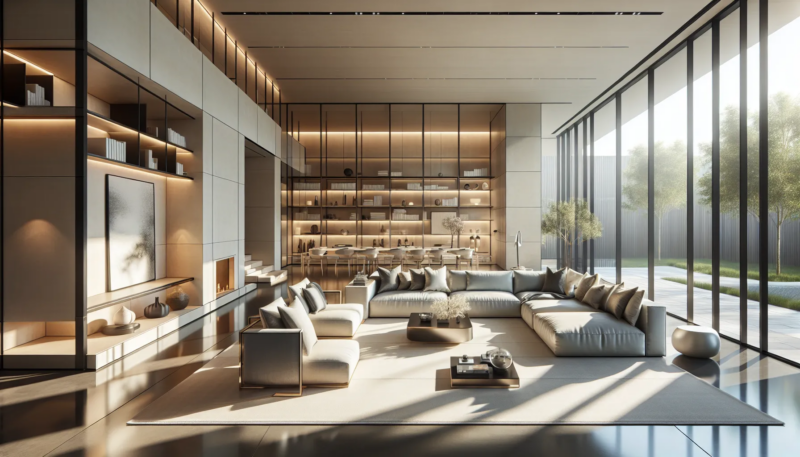
You’ve just finished your renovation. The exterior looks magazine-ready. Colours coordinate perfectly. Interior sightlines showcase carefully planned ceiling details. Then, eighteen months later, you notice hairline cracks around windows. After the next storm, a water stain appears on that statement ceiling. Your designer aesthetic is slowly degrading.
This “post-reno slump” catches most homeowners unprepared. They assume professional work means decades of maintenance-free perfection. Reality differs. Even expertly executed design requires ongoing care. Australian building specialists, including design-conscious firms like TQN Construct and similar providers, emphasize that maintaining design integrity requires the same intentionality that created it.
Beautiful Design Demands Thoughtful Upkeep
Interior designers and architects invest tremendous effort selecting colours and coordinating materials. These aesthetic decisions depend on physical integrity. When roofs leak, water stains ruin ceilings. When paint fails, carefully chosen colours fade or peel. When substrates deteriorate, clean architectural lines become ragged edges.
A design-led maintenance approach treats roof and paint decisions as ongoing design choices supporting both style and longevity.
The Post-Renovation Reality
Common issues emerge one to three years after completion. Hairline cracking appears where different materials meet and expand differently. Discolouration develops around windows. Ceiling stains manifest after storms when minor roof imperfections allow water entry. Exterior paint shows premature chalking on sun-exposed elevations.
These aren’t construction defects—they’re normal building behaviour. Preventative maintenance research demonstrates that systematic attention to developing issues costs far less than waiting until damage forces major intervention.
Safeguarding Your Investment from Above
Roof systems sit outside daily awareness until failure forces attention. Yet roof condition directly determines interior preservation. Small leaks damage plasterboard, compromise feature walls, warp custom joinery, and stain floors.
How Roof Failures Compromise Interior Design
A minor flashing failure near a skylight allows water entry. Initially, damage remains hidden within the roof cavity. Over months, water tracks along framing, saturating insulation. Eventually, moisture reaches that beautiful raked ceiling or smooth plasterboard feature wall. By the time staining becomes visible, substantial hidden damage has occurred.
Roofing is classified as specialist trade work because proper diagnosis requires technical understanding. Homeowners can perform ground-level visual checks, but assessment and repair belong with qualified professionals.
When evaluating roof condition, working with a specialist roof inspection and restoration team provides expertise beyond surface observation. Specialists identify subtle warning signs—membrane blistering, early fastener corrosion, minor sealant shrinkage—allowing intervention before interior damage occurs.
Design-Conscious Roof Assessment
Prioritize areas threatening key aesthetic features. Inspect roof sections above statement ceilings and feature walls more frequently. Pay special attention to skylights over living areas. Monitor gutter systems serving decks and outdoor rooms where overflow causes visible staining on designed surfaces.
Document ceiling edges and areas around skylights with dated photographs. Subtle changes appear gradually and escape notice without comparison references. Schedule inspections following severe weather when roof systems face maximum stress.
Restoration Preserving Architectural Intent
Restoration—targeted repairs, cleaning, protective coatings—extends service life while preserving existing architectural character. This suits heritage styles, distinctive roof profiles, or coordinated colour schemes where replacement would compromise design cohesion.

Full replacement creates opportunities for design enhancement when original systems approach end of life. However, replacement costs substantially more. Restoration typically costs 25-35% of replacement while extending life 8-12 years.
Exterior Finishes: Where Design Meets Reality
Paint serves dual roles—aesthetic decision and protective barrier. Colour, sheen, and texture define architectural character while coating chemistry shields substrates from UV radiation and moisture infiltration.
Aligning System Selection with Design Vision
Colour harmony matters, but substrate compatibility and environmental performance determine whether your design vision persists. Coastal locations demand marine-grade systems. Full-sun western elevations require premium UV-resistant formulations. Heritage timber needs breathable coatings.
Premium formulations maintain colour stability longer, resist chalking, provide superior dirt resistance, and deliver more uniform aging. These characteristics keep your design looking intentional rather than tired.
For complex colour schemes or challenging substrates, engaging design-conscious exterior painting and finishing services ensures product selection matches both aesthetic goals and performance requirements.
Low-VOC Options Supporting Interior Wellness
Volatile organic compounds in traditional paints create fumes migrating indoors through windows and ventilation. While exterior painting involves less direct exposure than interior work, VOC infiltration affects indoor air quality.
Low-VOC formulations deliver equivalent aesthetic results and durability while minimizing off-gassing. Modern low-VOC technologies offer extensive colour ranges, various sheen levels, and durability matching traditional products.
Maintenance Timing and Strategic Touch-Ups
Repaint intervals typically span five to ten years. However, design-led maintenance recognizes that high-impact elements benefit from more frequent attention. Front doors and entry surrounds, window trim, feature walls, and architectural details maintain crispness through planned touch-up cycles.
This selective approach preserves overall design cohesion at lower cost than waiting until entire surfaces require repainting.
Developing Your Design-Preservation Strategy
Maintenance planning should reflect the same intentionality that guided original design decisions.
Identifying and Protecting Hero Elements
Walk your property from the street and from interior rooms with exterior views. Identify “hero” elements defining your home’s character. Entry facades, architectural details visible from key rooms, garden walls, and distinctive rooflines warrant prioritized attention.
Regular cleaning, prompt repair of small damage, and monitoring of critical junctions keep these focus points sharp. Design integrity erodes through accumulated small failures more than sudden catastrophic events.
Seasonal Attention for Design Enthusiasts
Each season, conduct quick visual scans of roof edges for debris or damage, exterior surfaces for new cracks or discolouration, and architectural details for sealant shrinkage.
Annually, schedule comprehensive attention including façade cleaning, gutter inspection, detailed paint condition assessment, and review of roof condition with photographic documentation.
This rhythm embodies preventative maintenance frameworks demonstrating that periodic attention reduces lifecycle costs while preserving design quality.
Engaging Professionals Who Understand Design
Trade contractor selection directly impacts whether maintenance preserves or compromises design intent. Price-focused decisions often lead to outcomes that technically “work” but aesthetically disappoint.
What Designers Wish Contractors Understood
The best professionals recognize their work exists within designed environments. They protect existing finishes, maintain tidy sites, and understand how their work affects overall composition—precise masking creates clean transitions, colour matching requires viewing samples in actual lighting.
Seek licensed, insured contractors willing to discuss products, preparation methods, and compliance with relevant standards. Building maintenance specialists like TQN Construct and similar firms with multi-trade capabilities offer advantages when projects involve coordinated work.
Questions Revealing Contractor Quality
Ask how they’ll protect existing design elements during work. Request recommendations for systems suited to your home’s style and exposure, and whether suggestions align with manufacturer specifications. Inquire about expected maintenance intervals and what documentation they’ll provide.
Quality contractors welcome these questions. Evasive responses indicate contractors unlikely to respect your design investment.
Essential Principles for Design-Driven Homeowners
Design without maintenance is temporary decoration. Your renovation investment deserves ongoing protection through the same thoughtful approach that created it. Beautiful spaces don’t maintain themselves—they require systematic attention that most homeowners underestimate.
The fifteen-minute quarterly walk-around beats the five-figure emergency repair. Design-conscious inspection routines—photographing details, noting subtle changes, monitoring hero elements—catch problems while intervention remains minor. Annual deep attention follows seasonal rhythms, making preservation routine rather than crisis-driven response.
Contemporary low-VOC products demolished the old compromise between performance and environmental responsibility. Today’s formulations deliver full colour ranges, varied sheen options, and equivalent durability while supporting interior wellness. Choosing these systems reflects design sophistication, not sacrifice.
Design sensitivity separates adequate contractors from exceptional ones. Technical competence alone misses half the equation—understanding how work affects overall composition, protecting existing finishes, maintaining precise masking lines, and respecting architectural intent determine whether maintenance preserves or compromises your investment.
Photography transforms subjective impressions into objective documentation. Dated images establish condition baselines, track progressive changes, inform maintenance timing decisions, and support insurance claims if damage occurs. Digital documentation costs nothing yet provides invaluable decision-making tools.
Your renovation transformed your house into a designed environment. Maintenance ensures that environment persists rather than gradually eroding. The choice between curated beauty and faded potential lies in treating preservation as continuation of design, not afterthought following creation.