
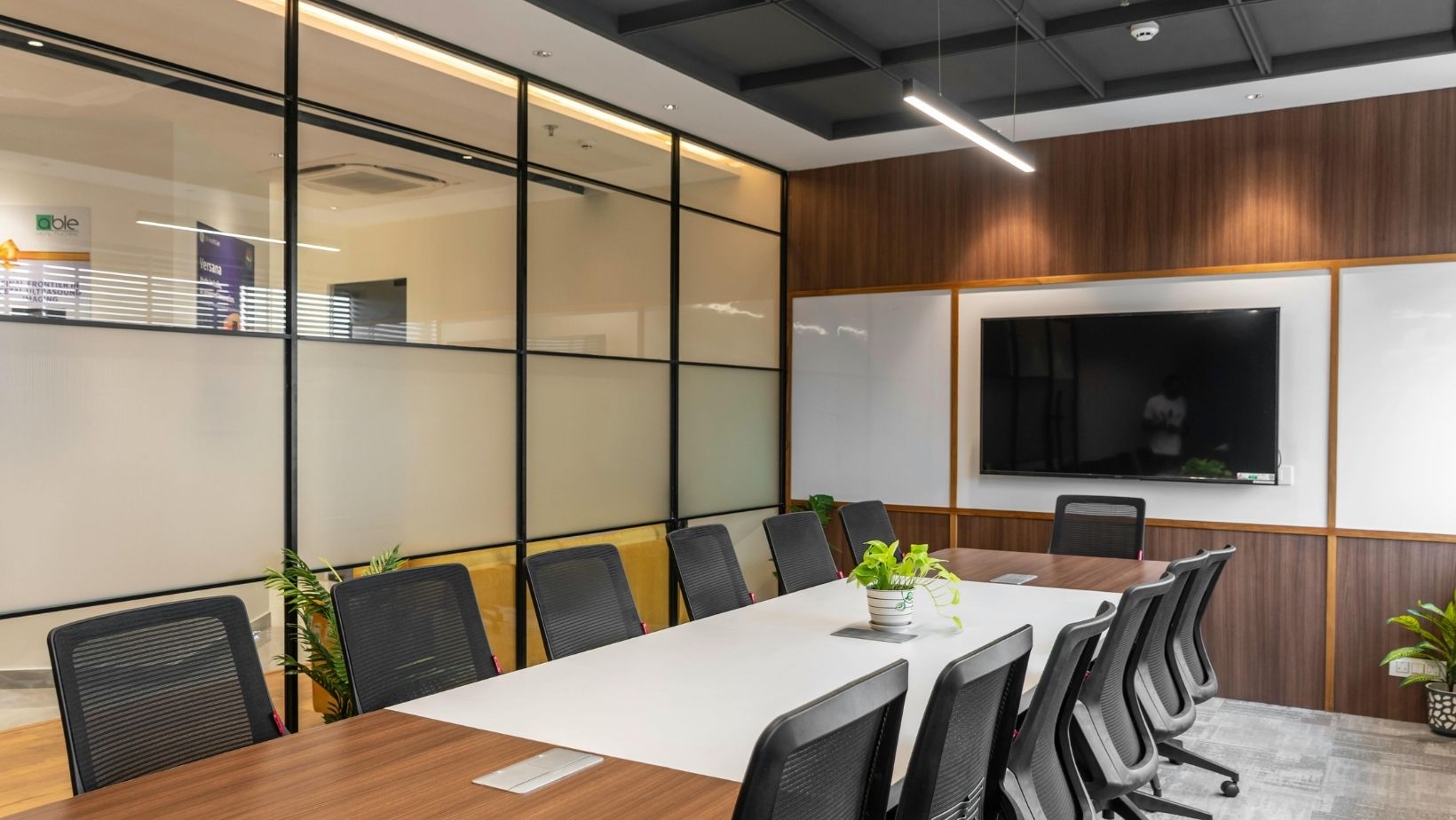
Choosing the right office chair can feel like a big decision, especially when you’re looking at well-known ergonomic models. Many people who explore options like premium seating also look into Steelcase chair parts to understand how these chairs are built and how they perform over time.
At the same time, discussions across platforms such as OfficeLogixShop often highlight how different chairs compare in real-world use. Some focus on flexibility, others on posture support, and some try to balance both. So, how do you know which one actually fits your needs?
Table of Contents
ToggleWhy Ergonomic Chairs Get So Much Attention
Ergonomic chairs are designed with one main goal in mind: to support the human body during long hours of sitting. Unlike basic chairs, they focus on movement, posture, and adjustability.
A good ergonomic chair can help:
- Reduce strain on your back and neck
- Improve posture naturally
- Support different sitting positions
- Make long work sessions more comfortable
This is why models from brands like Steelcase and Herman Miller are often compared.
Understanding Different Design Approaches
Not all ergonomic chairs are built the same way. Some focus on flexibility, while others focus on structured support.
Flexible Movement Design
Certain chairs are designed to move with your body. The backrest and seat adjust as you shift positions, allowing more freedom.
This type of design works well for people who:
- Change positions frequently
- Sit in a more dynamic way
- Prefer a less rigid structure
Structured Support Design
Other chairs focus on keeping your body aligned. They guide your posture and provide consistent support.
This approach is ideal for those who:
- Sit upright for long periods
- Prefer a stable seating position
- Need strong lower back support
Comparing Two Popular Ergonomic Styles
To better understand how these approaches differ, let’s compare two well-known styles of ergonomic chairs.
| Feature | Flexible Design Chair | Structured Support Chair |
| Movement | High flexibility | Controlled movement |
| Back Support | Adaptive | Firm and consistent |
| Sitting Style | Dynamic | Upright |
| Adjustability | Focus on motion | Focus on positioning |
Both styles can be comfortable, but they suit different preferences.
What About Mid-Range Ergonomic Chairs?
Not everyone needs a high-end chair. Mid-range options can also provide solid comfort and support.
These chairs often include:
- Adjustable seat height
- Basic lumbar support
- Comfortable cushioning
- Simple tilt mechanisms
They may not offer advanced features, but they can still be effective for everyday use.
Why Materials Matter More Than You Think
The materials used in a chair affect both comfort and durability.
Mesh Backrests
Mesh allows airflow, keeping you cool during long sessions. It also adapts slightly to your body shape.
Fabric and Cushioning
Cushioned seats provide softness and support. The quality of the foam determines how long the chair stays comfortable.
Frame and Base
A strong frame ensures stability. Metal or reinforced plastic bases tend to last longer.
How Adjustability Affects Comfort
One of the most important features of any ergonomic chair is adjustability. The more you can adjust, the better the chair can fit your body.
Key adjustable features include:
- Seat height
- Armrest position
- Backrest angle
- Seat depth
A chair that adapts to you is always more comfortable than one that forces you into a fixed position.
Is Price Always a Good Indicator of Quality?
That’s a question many people ask, right? While high-end chairs often offer better materials and features, price alone doesn’t guarantee comfort.
Some important things to consider:
- How the chair fits your body
- Whether the features match your needs
- How often you’ll use it
Sometimes, a mid-range chair can feel just as comfortable as a more expensive one.
Common Mistakes When Choosing a Chair
Even with so many options, people often make similar mistakes.
Here are a few to avoid:
- Choosing based only on brand reputation
- Ignoring how the chair feels in practice
- Overlooking adjustability
- Focusing too much on appearance
A chair should support your body first, not just look good.
How to Decide Which Chair Is Right for You
There’s no single “best” chair for everyone. The right choice depends on your habits and preferences.
Ask yourself:
- Do I move a lot while sitting?
- Do I prefer firm or flexible support?
- How many hours do I sit each day?
- What features matter most to me?
Your answers will help guide your decision.
Tips for Getting the Most Out of Your Chair
Even the best chair won’t help if it’s not used properly.
Here are a few simple tips:
- Adjust the chair to match your desk height
- Keep your feet flat on the floor
- Sit with your back supported
- Take short breaks to move around
Good habits make a big difference.
The Role of Chair Components in Long-Term Use
Over time, individual parts of a chair can wear out. This is where understanding chair components becomes useful.
Replacing worn parts can:
- Extend the life of the chair
- Maintain comfort and support
- Prevent the need for full replacement
Knowing how your chair is built helps you take better care of it.
Final Thoughts
Choosing an ergonomic chair isn’t just about picking a popular model. It’s about understanding how different designs work and how they match your needs.
Some chairs focus on movement, while others focus on structure. Some offer advanced features, while others keep things simple. The key is finding the right balance between comfort, support, and functionality.
At the end of the day, the best chair is the one that helps you feel comfortable, focused, and supported throughout your day.