
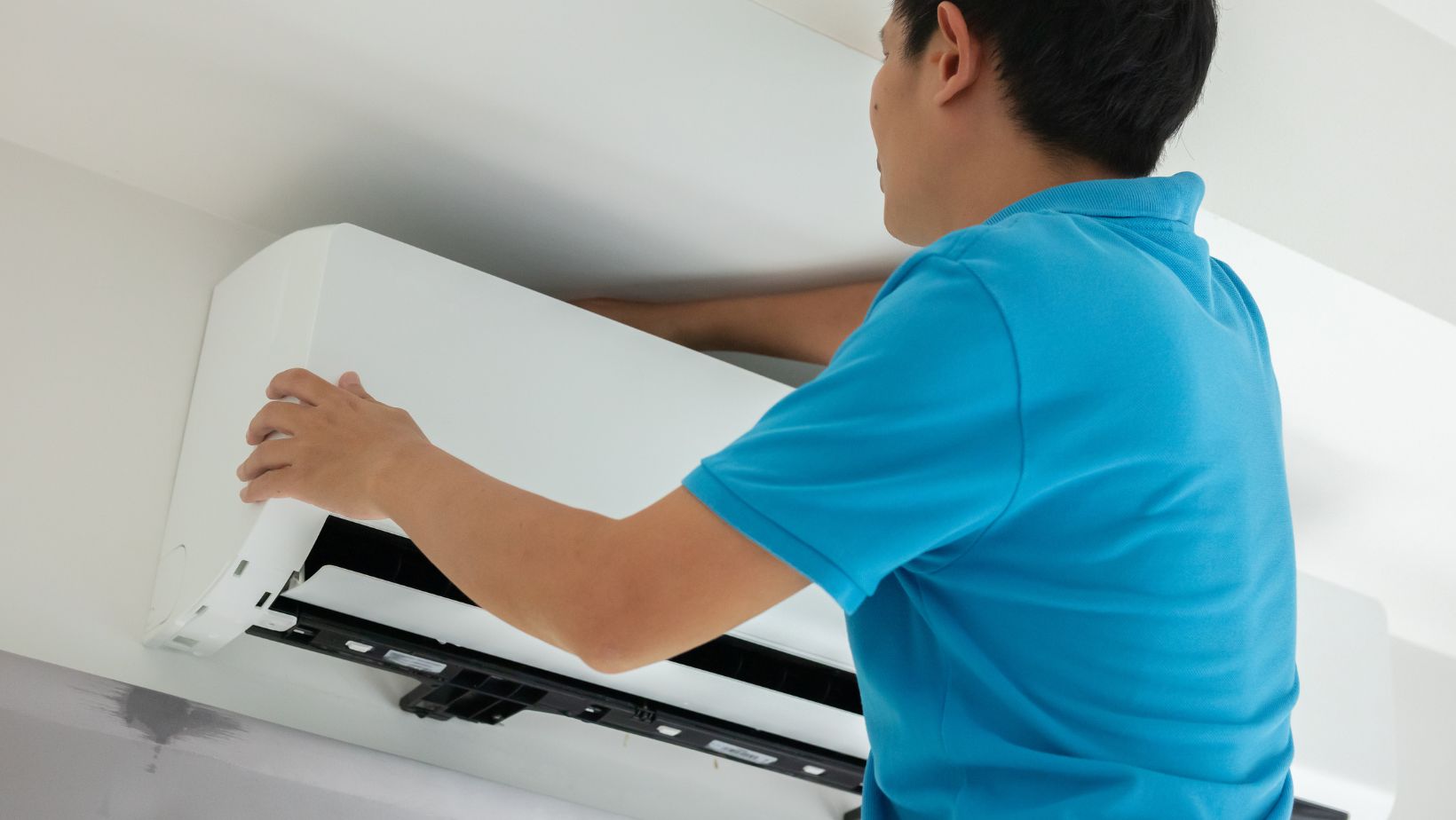
It is 2:00 AM in the middle of a July heatwave, and the heavy, humid air of the GTA has finally seeped into the bedroom. You wake up not to the comforting hum of your cooling system, but to a stifling stillness. The realization hits fast: the AC breaks down at night in Toronto more often than homeowners think, usually during the season’s most punishing humidity peaks.Statistics suggest that nearly 35% of all HVAC mechanical failures occur during the overnight hours when systems, already exhausted by the day’s peak temperatures, struggle to shed heat. The combination of high humidity and stagnant air creates an immediate sense of urgency, turning a home into an oven and making sleep—and safety—a distant memory.
If you have checked the basics—the batteries, the breaker, and the filters—and the system remains unresponsive, you are likely dealing with a failed capacitor, a dead compressor, or a refrigerant leak. These are not DIY tasks, especially in the dark. In situations like this, having access to emergency ac repair Toronto can make a critical difference within hours.
The Most Common Reasons AC Breaks Down at Night
Understanding why the system quit can help determine if the fix is a simple reset or a terminal mechanical issue. Most night-time failures are the result of the system finally giving up after a day of maximum capacity.
The most frequent causes Mike and other field experts see include:

- System Overload: Running at 100% capacity for 12+ hours causes the compressor to overheat and trip the internal limit switch.
- Electrical Failure: Capacitors, which help the motor start and run, are highly sensitive to heat and often “pop” during long overnight cycles.
- Clogged Air Filters: Restricted airflow causes the evaporator coil to drop below freezing, eventually encasing it in ice and stopping all cooling.
- Refrigerant Issues: Small leaks become critical when the system can no longer move enough heat to keep up with the evening’s humidity.
- Thermostat Glitches: Blown fuses or dead batteries in the control unit can cause the entire system to go dark suddenly.
What to Do Immediately (First 10–15 Minutes)
When you first realize the air conditioner stopped working suddenly, the instinct is to panic or start poking at the outdoor unit. Instead, take a systematic approach. First, check the thermostat to see if the display is still active. If it’s blank, you might have a simple power issue or a tripped safety float switch caused by a clogged drain line.
Check your electrical panel next. If a breaker has tripped, flip it back once. If it trips again immediately, stop. This indicates a high-amperage short, and forcing it can cause an electrical fire. During this initial window, avoid opening the fridge or freezer excessively to keep the kitchen heat down, and quickly assess if the outdoor fan is spinning or if the unit is making a humming sound without movement.
Emergency Actions to Stay Safe and Cool
While you wait for a solution, your priority shifts from “fixing” to “surviving” the rising heat. You need to manage the thermal load of the house before the sun comes up and makes the situation even worse.
Take these immediate practical steps:
- Turn off the system: If you hear humming or buzzing, shut the AC off at the thermostat to prevent the motor from burning out.
- Check the thermostat batteries: A simple fix that accounts for a surprising number of “emergency” calls.
- Open windows strategically: Only open them if the outdoor air is cooler than the indoor air; otherwise, keep them sealed to trap what little “cool” remains.
- Use floor and ceiling fans: Create a cross-breeze to move air over your skin, which helps lower body temperature through evaporation.
- Stay hydrated: Drink cool water and avoid caffeine or alcohol, which can exacerbate the effects of heat stress.
How to Stay Cool When Your AC Breaks Down
Before the professionals arrive, you can attempt a few “soft” resets to see if the system is simply overwhelmed. These temporary fixes can sometimes coax a struggling unit back to life for a few more hours of relief.
First, check the air filter. If it looks like a thick grey blanket of dust, the system is suffocating. Replace it immediately. Next, go outside with a flashlight and check the outdoor condenser. If it is covered in debris or “cottonwood” seeds, a gentle spray with a garden hose can help it shed heat better. However, do not use a high-pressure washer, as this can flatten the delicate fins.
Another common what to do if ac breaks tactic is to check the condensate drain line. If the PVC pipe is backed up with water, a safety switch will prevent the AC from turning on. Using a wet/dry vac to suck out the clog from the exterior exit point can often restart the system instantly.
Warning Signs Before Night-Time Breakdown
Most systems don’t fail without a “warning shot.” Looking back, many homeowners realize the AC not working at night was preceded by days of subtle hints.
Be on the lookout for these signs to prevent a midnight emergency:
- Weak airflow: The air is cool, but it isn’t reaching the corners of the room like it used to.
- Longer cycles: The AC stays on for 45 minutes or more to drop the temperature just one degree.
- Strange noises: Squealing or banging sounds that indicate a failing belt or motor bearing.
- Humidity increase: You feel “sticky” indoors even if the temperature on the wall says 22°C.
- Inconsistent cooling: One bedroom is freezing while the other remains uncomfortably warm.
How to Prevent Future Night Emergencies
The best way to handle an AC failure hot night is to ensure it never happens. Regular maintenance is the insurance policy for your comfort. A professional inspection once a year can identify a weakening capacitor or a slightly low refrigerant charge before it turns into a 2:00 AM crisis.
Upgrading to a smart thermostat can also help, as many models now send “performance alerts” to your phone if they detect the system is taking too long to cool the home. Companies like Superior HVAC Service, Heating & Air Conditioning offer comprehensive tune-ups that specifically target the components most likely to fail during a Toronto heatwave.
Night-time emergencies are a test of preparation. When the air turns stagnant and the thermostat won’t budge, knowing exactly where your breakers are and who to call is the difference between a minor inconvenience and a dangerous situation. The heat doesn’t wait for morning, and neither should your plan for keeping your home safe. One quick check of your system today could be the reason you sleep soundly through the next record-breaking night.