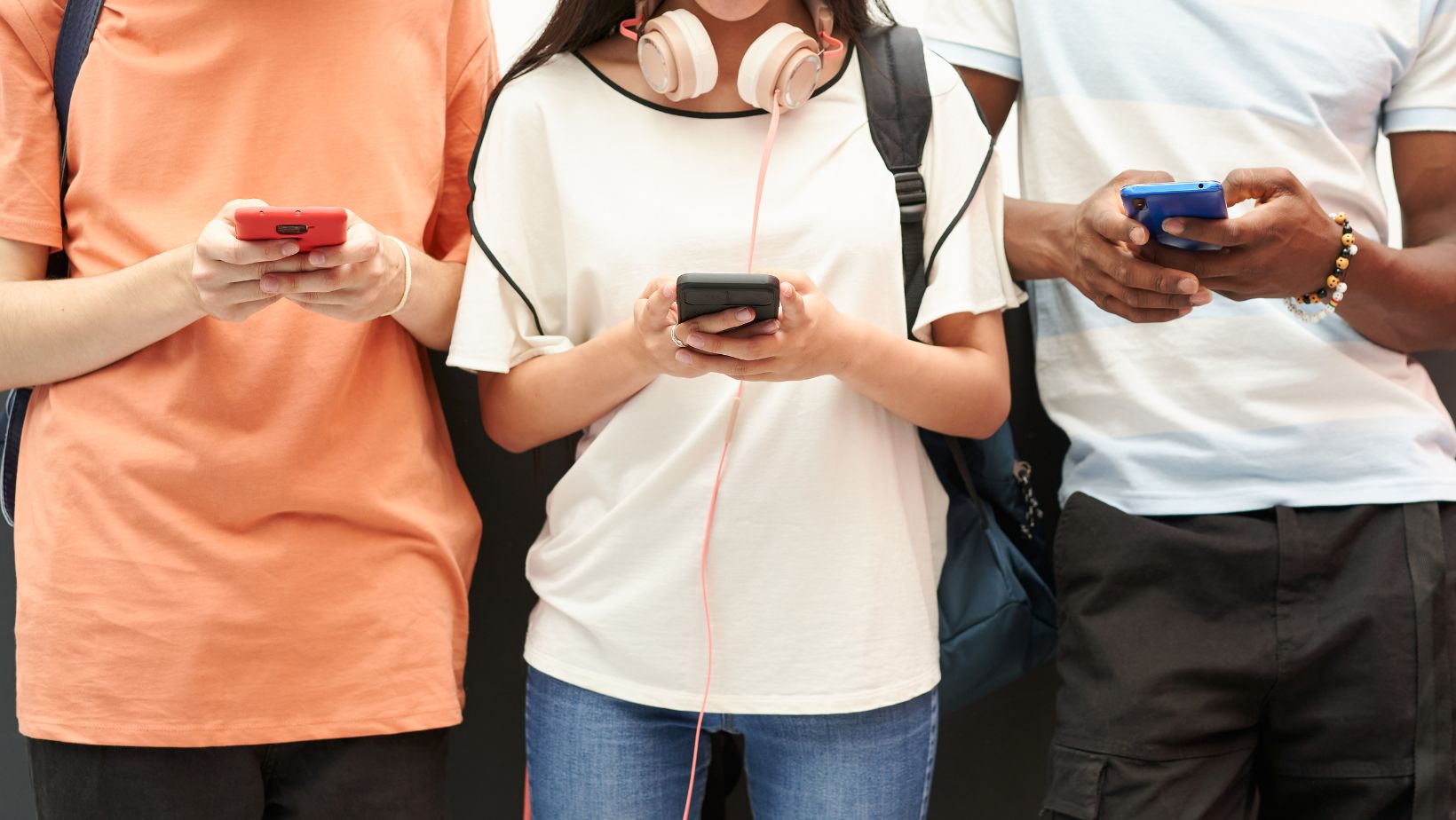
Generation Z has never known a world without the internet. For many of them, the first memories of childhood include glowing screens, playful mobile games, and family video calls. Technology is not a separate “tool” they occasionally pick up; it is woven into almost every corner of their social, academic, and emotional lives.
For this always-connected generation, online spaces are where they laugh with friends, learn new skills, experiment with identity, and also encounter risk. A young person might scroll through news, join a study group, watch a tutorial, and place a small bet on a platform like Parimatch all in the same evening, without ever thinking of these as separate worlds.
Growing up permanently online
Unlike previous generations, Gen Z does not clearly separate “online” and “offline”. Messaging apps, group chats, and voice notes are the background hum of their friendships, and jokes routinely travel from classroom to chat and back again. The phone is not a device they check a few times a day; it is a constant companion that holds photos, memories, and ongoing conversations.
This can make relationships feel both closer and more fragile. Young people may feel braver sharing complicated feelings in a message than face to face, yet they also live with the fear that private conflicts can suddenly become public through a screenshot or a cruel post. At the same time, the ability to talk instantly with relatives and friends in other cities or countries makes long-distance connections more durable than ever before.
Learning in a hyper-connected world
For Gen Z, the internet is often the first teacher. When they do not understand a topic in school, they reach instinctively for clips, illustrated explainers, or step-by-step guides. Formal education blends with self-directed learning: a teenager might study exam material in one tab while teaching themselves programming, photography, or a new language in another.
This style of learning has real strengths. Many members of Gen Z are remarkably skilled at searching, comparing sources, and finding practical answers to specific questions. Yet the same habits encourage skim reading and impatience with slow, difficult texts. If something does not feel engaging within a few seconds, it is easy to swipe away, which can make deep reading and long-term projects more challenging.
Creativity, self-expression, and personal branding
Digital tools give Gen Z an impressive creative toolbox. With a reasonably priced phone or laptop, a young person can edit videos, record music, design posters, or create a small online shop without leaving their bedroom. Profiles on social platforms become living portfolios where they share drawings, fashion experiments, poems, and short reflections on daily life.
But creative spaces also act as subtle stages. It does not take long to notice which styles of content attract attention, compliments, and followers. Some young people start to treat themselves like brands, carefully curating images and tracking basic statistics about engagement. For a few this becomes a source of income, but for many it turns into a quiet pressure to appear constantly interesting, attractive, or successful, even when they feel tired or uncertain.
Community, identity, and belonging
Technology allows Gen Z to find communities that would have been almost invisible to earlier generations. A shy teenager in a small town can discuss books with peers abroad, share experiences with others who have the same health condition, or explore aspects of identity that nobody offline seems to understand. These digital spaces often provide a warm sense of recognition and belonging.
Yet the same tools can narrow horizons. Recommendation systems tend to show more of what a person already likes, tightening the circle of acceptable opinions. Some groups turn into echo chambers that encourage rigid thinking or harsh judgments of outsiders. For young people still figuring out who they are, this combination of strong belonging and strong pressure can be emotionally intense, sometimes comforting and sometimes overwhelming.
Risks, boundaries, and digital well-being
Being digital natives does not mean Gen Z automatically knows how to navigate every risk. They often understand the mechanics of apps but underestimate long-term consequences: how a careless photo can resurface years later, how persuasive design keeps them scrolling late into the night, or how targeted advertising quietly shapes their desires and fears.
Many describe uneasy relationships with their devices. They feel strangely empty without their phones, yet drained after hours of scrolling. Some try “digital detox” weekends, turn off notifications, or use tools that limit screen time. Others set simple rules, such as keeping the phone out of the bedroom or away from the desk during serious study. When adults respond with open discussion rather than panic or strict bans, it becomes easier for young people to experiment with healthier boundaries.
Looking ahead: how Gen Z might reshape technology

Because Gen Z has grown up with constant connectivity, they are likely to demand more human-centered technology in the future. Many care deeply about online safety, data protection, and mental health, and they ask pointed questions about how platforms are designed and who benefits from users’ attention.
As this generation moves into positions of influence, they may push for more ethical digital systems: clearer privacy controls, more responsible recommendation algorithms, and platforms that reward genuine connection rather than constant outrage. At the same time, their creative, flexible approach to digital tools suggests that new forms of work, activism, and culture will keep emerging.
Understanding how Gen Z uses technology is therefore not just a curiosity about youth trends. It is a way of seeing how digital tools are shaping friendships, knowledge, values, and ambitions—and how, in return, the choices of this young, inventive generation will shape the connected world that everyone inhabits.