
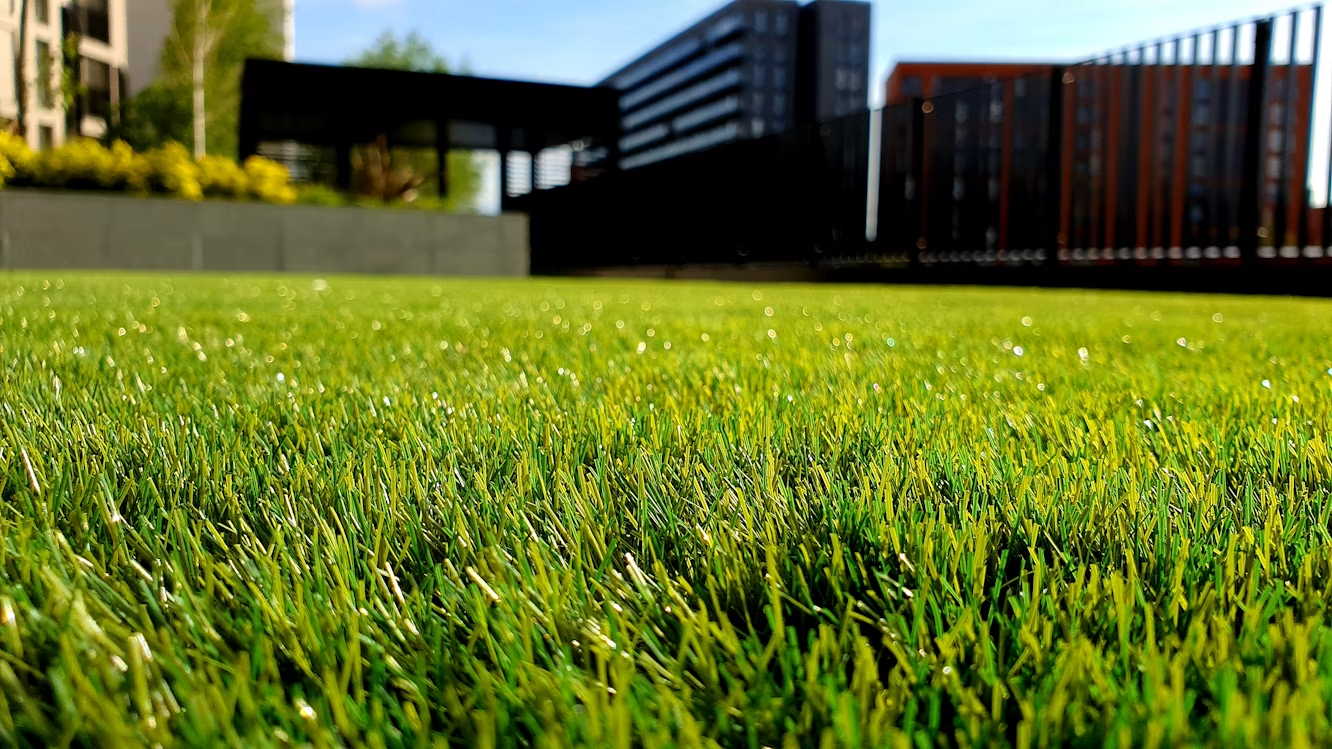
Modern home design no longer stops at the back door. Homeowners are increasingly treating outdoor areas as fully integrated parts of their living environments, creating spaces that offer the same comfort, style, and functionality found indoors. As part of this shift, many people exploring low-maintenance turf systems in Knoxville are choosing professional installation services that help create attractive outdoor living areas with the clean appearance and usability expected from modern design. This approach allows outdoor spaces to complement interior aesthetics while reducing maintenance demands and improving year-round enjoyment.
Table of Contents
ToggleThe Blurring of Indoor and Outdoor Boundaries
The distinction between indoor and outdoor living has become less defined in recent years. Designers are creating homes where patios, decks, and gardens feel like natural extensions of interior rooms rather than separate spaces.
Large sliding glass doors, expansive windows, and open floor plans help establish visual continuity between the inside and outside of a home. This seamless connection encourages homeowners to use outdoor areas more frequently while enhancing the overall sense of space.
Outdoor furniture has also evolved to mirror the comfort and sophistication of indoor furnishings. Plush seating, decorative accessories, and carefully selected materials help create environments that feel welcoming and refined.
As a result, outdoor spaces are increasingly used for activities traditionally associated with indoor living. Homeowners now entertain guests, work remotely, dine, and relax outdoors with the same level of comfort they enjoy inside.
Consistent Design Themes Across the Property
One of the defining characteristics of modern residential design is consistency. Homeowners and designers are extending color palettes, textures, and architectural elements from interior spaces into outdoor environments.
Natural stone, wood accents, and neutral color schemes often appear both inside and outside the home. This design strategy creates visual harmony and helps the property feel cohesive from one space to another.
Furniture styles are also becoming more coordinated across living areas. Outdoor seating collections frequently reflect the shapes, colors, and materials used within interior rooms.
By maintaining a unified design language throughout the property, homeowners can create a more polished and intentional appearance. This continuity enhances the overall aesthetic value of the home while improving the user experience.
Functionality Drives Outdoor Design Decisions
Modern outdoor spaces are expected to serve multiple purposes. Homeowners want areas that support relaxation, entertainment, recreation, and family gatherings without sacrificing visual appeal.
Outdoor kitchens, fire features, dining areas, and lounge spaces have become common additions to residential properties. These features transform underutilized yards into highly functional extensions of the home.
Practical landscaping choices also play an important role in modern design. Homeowners increasingly favor solutions that remain attractive throughout the year while requiring less maintenance.
Artificial turf, durable hardscaping materials, and thoughtfully planned layouts allow outdoor spaces to remain usable and visually appealing regardless of season. These features align with the growing demand for convenience and efficiency in home design.
Comfort and Technology Enhance Outdoor Living
Advancements in technology have made outdoor spaces more comfortable and versatile than ever before. Homeowners can now enjoy many of the conveniences once limited to indoor environments.
Integrated lighting systems help extend the usability of outdoor spaces after sunset. Smart controls allow users to adjust brightness levels and create different atmospheres for various occasions.
Outdoor entertainment systems have also become increasingly popular. Weather-resistant televisions, audio equipment, and wireless connectivity make it possible to enjoy media experiences outside without compromising quality.
Climate-control features further improve comfort. Shade structures, outdoor heaters, and cooling solutions allow homeowners to enjoy their outdoor living areas throughout much of the year.
Landscaping as a Design Element
Landscaping is no longer viewed solely as a practical necessity. Instead, it has become an essential component of overall property design.
Modern landscaping focuses on creating visual structure and supporting the architectural style of the home. Carefully selected plants, pathways, and surface materials contribute to a cohesive outdoor environment.
Low-maintenance solutions have become particularly attractive to homeowners seeking long-term value. Features that reduce watering, mowing, and upkeep allow residents to spend more time enjoying their spaces rather than maintaining them.
Well-designed landscapes also contribute to curb appeal and property value. A thoughtfully planned outdoor environment can significantly enhance the overall perception of a home while improving functionality.
Conclusion
The evolution of outdoor living has transformed the way homeowners approach residential design. Rather than treating outdoor areas as separate spaces, many now view them as natural extensions of the home that should offer the same comfort, style, and functionality as interior rooms. Through cohesive design choices, practical landscaping solutions, and enhanced outdoor amenities, modern properties are creating seamless transitions between indoor and outdoor living. As this trend continues, outdoor spaces will remain an increasingly important part of contemporary home design, providing beauty, convenience, and year-round enjoyment.