
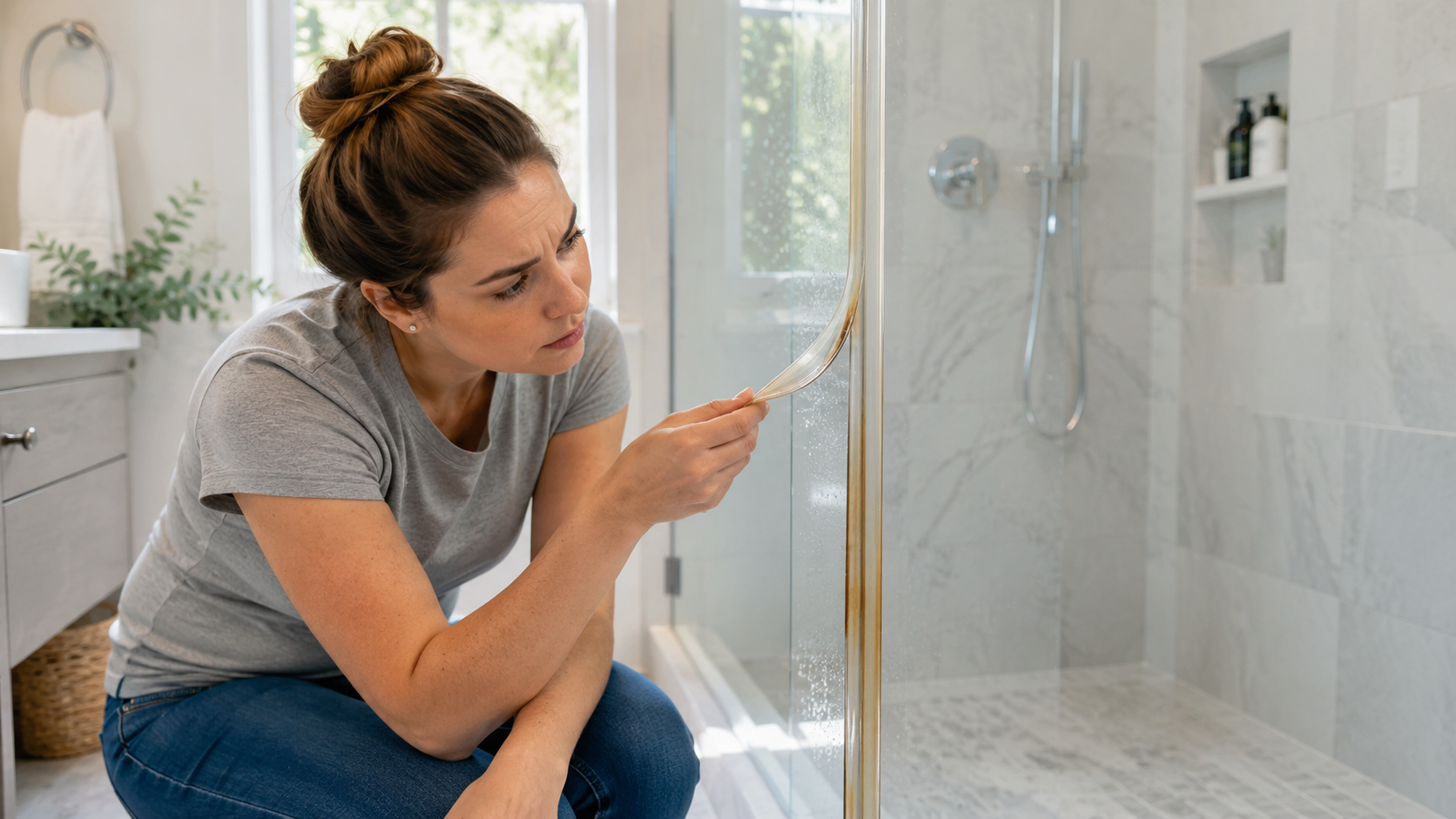
Some bathroom details go unnoticed until a deep clean brings them into focus. The clear strip along the shower door may have turned cloudy, yellowed, or less flexible, even though the glass, tiles, and fittings still look fine. That small worn edge can quietly make the whole shower area feel less fresh.
Replacing it may seem like a quick weekend job: remove the old seal, find a similar one online, and slide the new one into place. But a shower door seal is not just a clear plastic strip. It needs to match the glass thickness, the gap it covers, the door position, and the shower enclosure.
When those details are right, the bathroom feels cleaner and more complete. When they are wrong, the new seal may feel loose, stiff, awkward to fit, or simply out of place.
Small Parts Can Change How a Bathroom Feels
Modern bathrooms often rely on clean lines: frameless glass, walk-in showers, slim hardware, and open layouts. These features make a bathroom feel brighter and more spacious, especially in smaller homes. But the cleaner the design, the more noticeable the small details become.
A shower door seal is one of those quiet details. It is not supposed to stand out. In fact, the best result is usually when no one notices it at all. But when it becomes cloudy, warped, or poorly fitted, it can interrupt the neat look of the glass. In a newly renovated bathroom, that can feel especially frustrating. In an older bathroom, replacing the seal can be a small update that makes the space feel better cared for without changing anything major.
This is why people often notice it during spring cleaning, after moving into a new home, while preparing a rental property, or before taking photos of a bathroom for sale or short-term rental.
First, Look at Where the Old Seal Sits
Before thinking about length, look at the position of the existing seal. A bottom seal, a side seal, and a magnetic seal do not do the same job.
A bottom seal usually sits along the lower edge of the glass door. It helps cover the space between the glass and the shower tray, floor, or threshold. Because this area is exposed to water, cleaning products, and regular movement, bottom seals often show wear sooner than other parts.
Side seals work differently. They are usually fitted along the edge of a glass door, between two panels, or where the door meets a wall. Their job is more about closing the side gap neatly and reducing water escaping from the edge. Magnetic seals are used on certain doors to help two panels close securely.
Curved screens, bath screens, corner enclosures, and frameless doors may all require different profiles.
When Choosing Shower Door Seals, Looks Are Not Enough
A common mistake is to remove the old seal, glance at the shape, and search for one that looks similar. That approach can help, but it is not enough on its own. Two clear seals can look almost identical in a product image while being made for different glass thicknesses, fin lengths, or fitting positions.
This is where many people go wrong when choosing shower door seals. The seal does not work in isolation. It has to grip the glass properly and cover the right gap without affecting how the door moves. If it is too loose, it may slide off after a short time. If it is too tight, it may be difficult to install or may affect how the door opens and closes. If the profile is wrong, the seal may sit in place but fail to cover the gap properly.
For someone replacing a seal for the first time, brands such as SIMBA seals can be a useful reference point. SIMBA seals focuses on shower door seals and shower door sealing solutions, and its guide content often explains glass thickness, gap size, seal types, and fitting situations in a clear way. That kind of guidance helps people understand what their bathroom actually needs before they buy, instead of relying only on product photos.
Glass Thickness and Gap Size Matter More Than Most People Expect
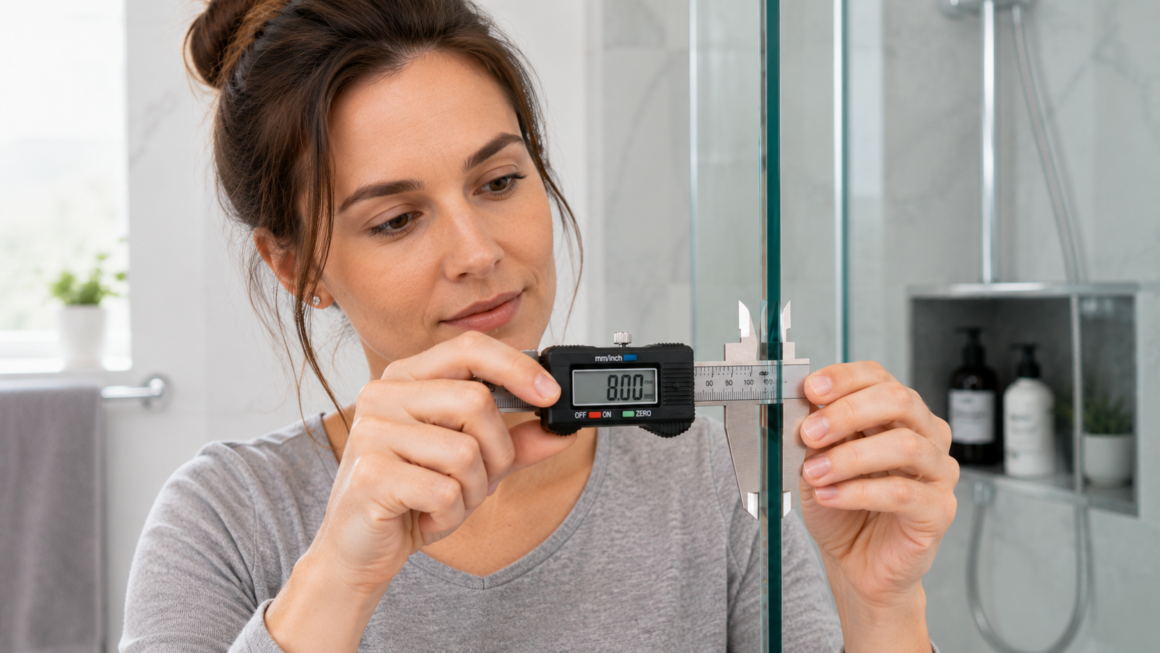
Length is the measurement most people think of first. It is also the easiest one to understand. But in many cases, glass thickness and gap size matter more.
Frameless shower doors can look very similar from the outside, yet the glass may not be the same thickness. A seal made for thinner glass can be hard to push onto thicker glass. A seal made for thicker glass may not grip a thinner panel firmly enough. Length can often be trimmed. The wrong grip size is much harder to fix.
The gap also matters. There may be a space between the door and the floor, between two glass panels, or between the door edge and the wall. Each seal type is designed for a different situation, and treating them all as the same strip is what often leads to poor fitting or repeated replacement.
Check the Rest of the Shower Area Too
The seal is important, but it is not always the whole story.
If the glass door feels loose, drops slightly, or no longer closes in the same position, the hinges or alignment may need attention first. Once the door moves out of position, the original gap changes. A new seal may not sit properly until the door itself is adjusted.
The shower layout matters too. A shower head aimed at the door edge, a short screen, uneven floor slope, poor drainage, or worn silicone around fixed panels can all change how water moves through the space.
A bathroom works as a system. The seal is one part of that system, not a cure for every issue. Looking at the surrounding details first makes it easier to decide whether the seal really needs replacing, or whether the door, silicone, or layout also needs attention.
When Replacing the Seal Makes Sense
A replacement usually makes sense when the door is stable, the hinges are secure, the surrounding silicone looks sound, and the old seal is clearly past its best. Signs include yellowing, cloudiness, mould, cracking, looseness, warping, or a surface that never looks clean no matter how much it is wiped.
Clear seals age naturally. Hot water, cleaning products, hard water marks, and daily use slowly change the material. It may still be attached to the glass, but it no longer gives the shower area that clean, crisp edge.
Replacing it will not transform the entire bathroom, but it can make the room feel more cared for. The glass edge looks sharper, the door line feels neater, and the shower area becomes easier to keep clean. There is no fixed replacement schedule. If the seal is visibly worn or still affects the look of the bathroom after cleaning, it is worth considering a new one.
Better Bathrooms Often Come Down to Quiet Details
A shower door seal is rarely the first thing people notice. Tiles, mirrors, lighting, taps, and glass doors usually get more attention. But the comfort of a bathroom often depends on the quieter details: the parts that make the space feel clean, easy to maintain, and ready for everyday use.
Before replacing a shower door seal, it helps to check three things: where the old seal is fitted, whether the glass thickness and gap size match the replacement, and whether the issue really comes from the seal itself.
A good replacement is not just about swapping an old strip for a new one. It is about restoring the clean, light, well-kept feeling of the shower area. Often, improving a bathroom does not require a full renovation. It starts with one small detail that has been overlooked for a little too long.