
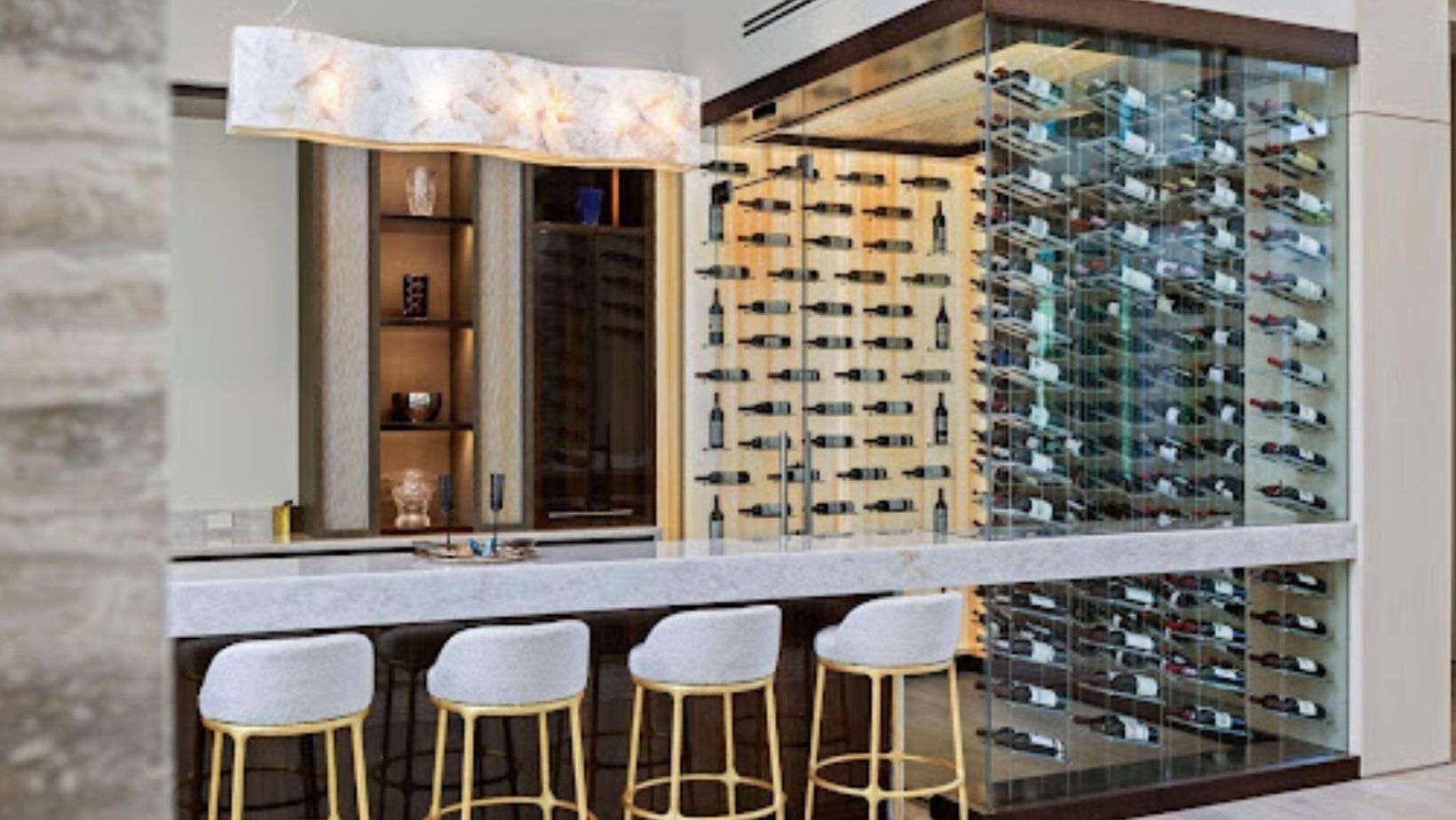
Wine storage has become an important consideration for homeowners who appreciate both design and functionality. As wine collecting grows in popularity, so does the demand for storage solutions that preserve quality while enhancing interior spaces. Modern wine storage ideas focus on combining visual appeal with precise environmental control. Homeowners are no longer satisfied with hidden racks or basic cabinets. Instead, they seek storage options that protect their collections and contribute to the overall aesthetic of their homes. Balancing beauty and performance ensures that wine storage remains both practical and visually engaging.
The Fundamentals of Proper Wine Storage
Proper wine storage is essential for maintaining flavor, aroma, and value. Regardless of collection size, certain environmental conditions must be met to ensure optimal preservation. Temperature consistency is critical, as fluctuations can cause wine to age prematurely. Humidity control helps prevent corks from drying out and protects labels from damage. Light exposure, particularly ultraviolet light, should be minimized to avoid degradation. Vibration should also be limited, as it can disrupt sediment and affect wine structure. Understanding these fundamentals helps homeowners make informed decisions when selecting modern storage solutions.
Design Trends Shaping Modern Wine Storage
Modern wine storage design emphasizes clean lines, simplicity, and thoughtful material choices. Glass has become a popular feature, allowing collections to be displayed while maintaining environmental control. Metal racking provides a sleek and contemporary look, while natural wood adds warmth and contrast. Lighting is carefully selected to enhance visual appeal without generating heat or harmful light exposure.
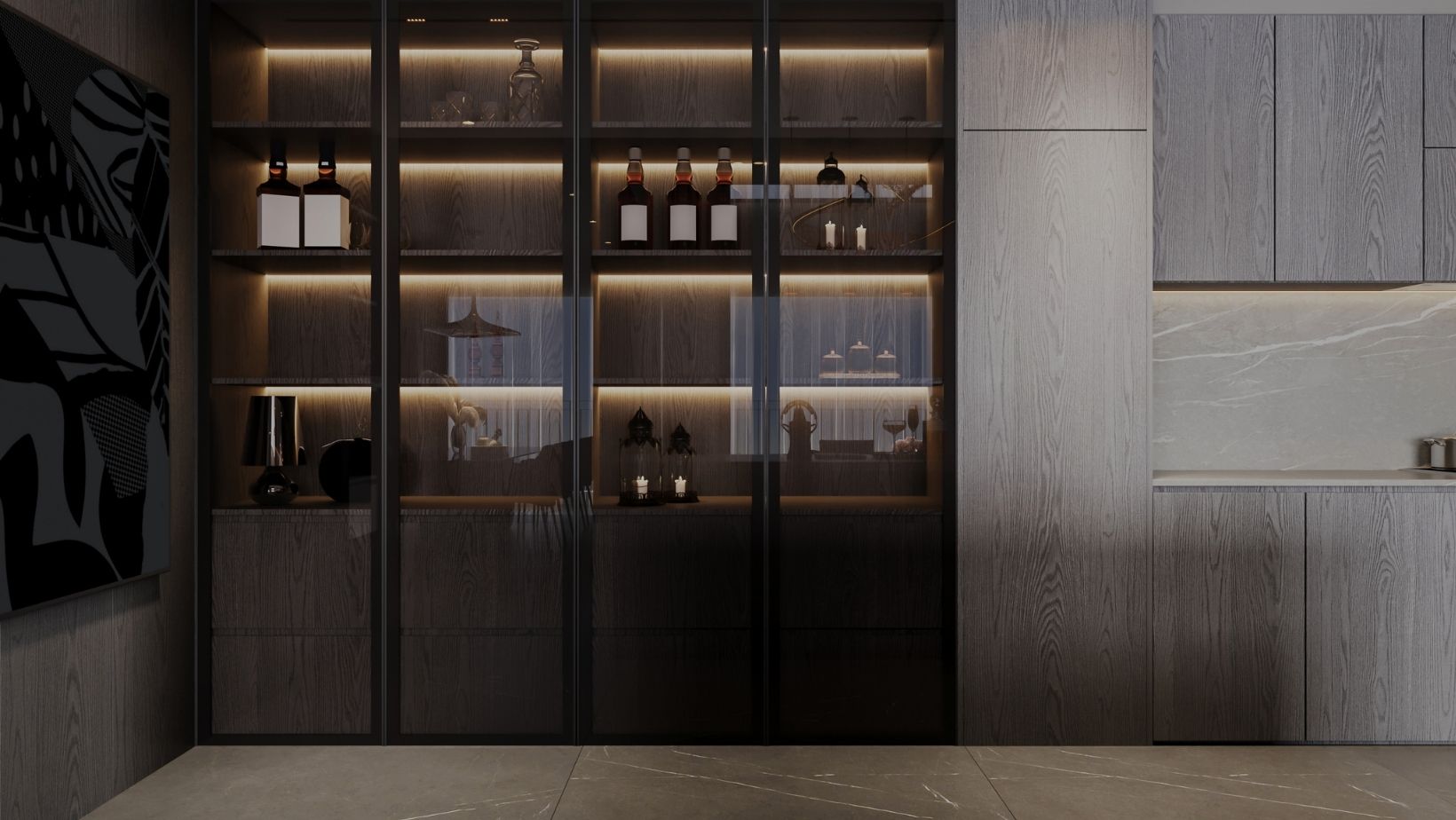
These design trends allow wine storage to function as an architectural element, transforming collections into a focal point that complements modern interiors.
Built-In and Custom Wine Storage Solutions
Built-in and custom wine storage options offer flexibility for homes of various sizes and layouts. Recessed wine walls and cabinetry integrate seamlessly into kitchens, dining areas, or living spaces. Custom solutions are especially valuable for homes with unique architectural features or limited space. By tailoring storage to the environment, homeowners can maximize capacity while maintaining accessibility. These solutions balance convenience and performance, ensuring that wine is stored properly without compromising the overall design of the home.
The Value of Working With Professional Wine Cellar Builders
Professional wine cellar builders play a crucial role in creating storage solutions that balance beauty and performance. Their expertise extends beyond aesthetics to include climate control, insulation, and proper layout planning. Working with experienced professionals helps ensure that storage systems meet industry standards for temperature and humidity. Custom design and installation also reduce the risk of long-term issues that could harm a wine collection. Homeowners seeking expert guidance and reliable results can contact Genuwine Wine Cellars for wine cellar builders chicago to achieve a storage solution that is both visually striking and technically sound.
Integrating Wine Storage Into Living Spaces
Modern homes increasingly incorporate wine storage into everyday living areas. Kitchens, dining rooms, and entertainment spaces offer convenient access while allowing collections to be displayed. Seamless integration with cabinetry and architectural elements ensures that wine storage feels intentional rather than intrusive. Proper planning is essential to maintain environmental control while providing easy access. When integrated thoughtfully, wine storage enhances both functionality and the overall ambiance of living spaces.
Performance Features That Protect Your Wine Collection
Performance remains a priority in modern wine storage design. Advanced cooling systems maintain stable temperatures, while humidity regulation protects corks and labels. Vibration reduction features help preserve wine structure, especially for long-term aging. UV protection prevents light-related damage, ensuring that wine retains its intended characteristics. Monitoring systems provide peace of mind by alerting homeowners to changes in storage conditions. These features work together to safeguard wine collections while supporting modern design goals.
Planning for Growth and Long-Term Use
Planning for future growth is an important consideration when designing wine storage. Collections often expand over time, making flexibility and scalability essential. Durable materials and accessible maintenance systems support long-term use and reliability. Thoughtful planning ensures that storage solutions remain functional and visually appealing as needs change. By investing in well-designed wine storage that balances beauty and performance, homeowners can enjoy their collections with confidence for years to come.