
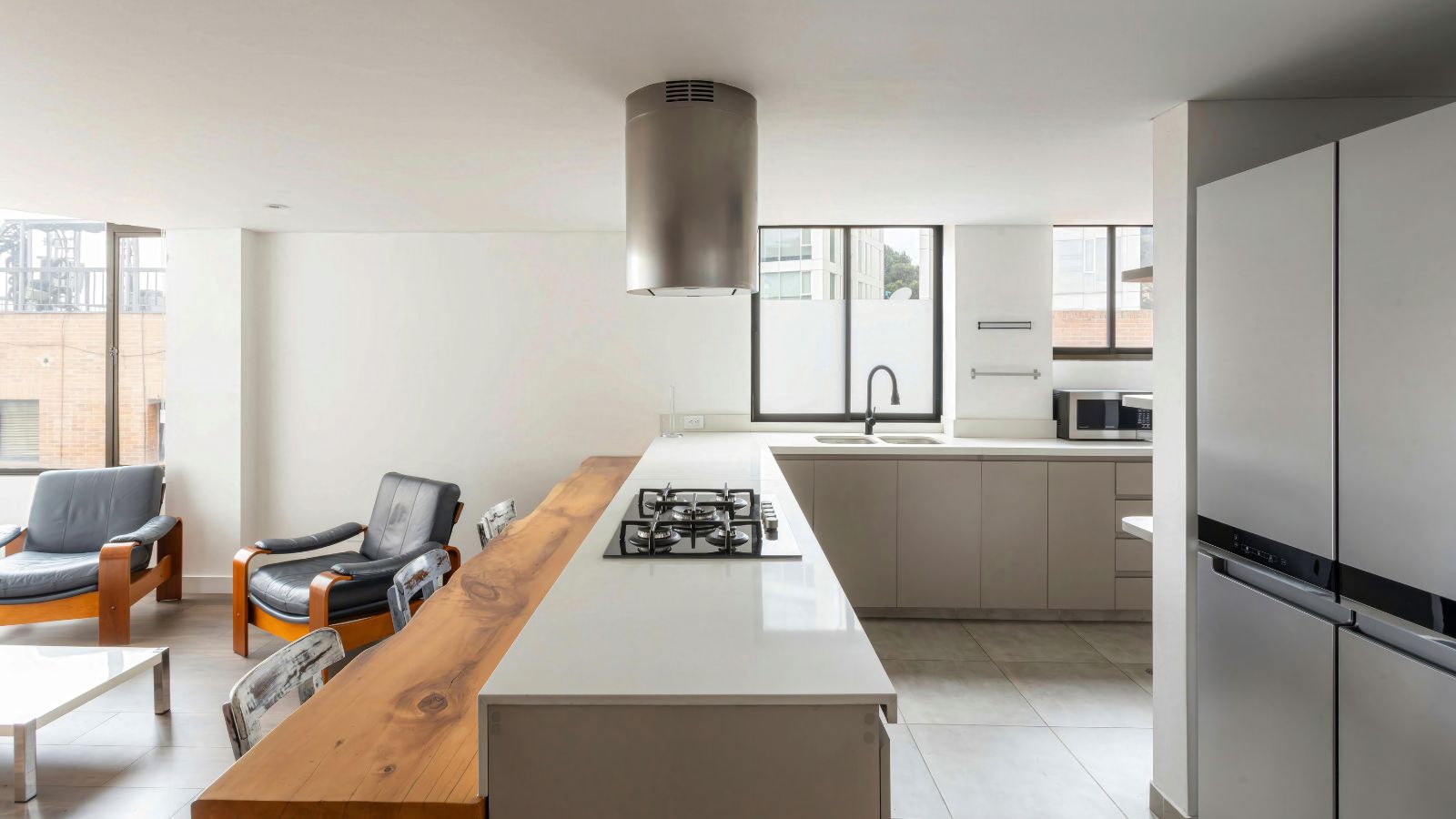
The kitchen is often considered the heart of the home—and it’s usually one of the biggest investments in any renovation. It’s where design, functionality, and daily life all meet. But even well-intentioned kitchen projects can fall short if a few key decisions are overlooked during the planning stage.
Many of the problems homeowners experience later—awkward layouts, limited storage, or cabinets that don’t stand the test of time—start with small design mistakes early on. A kitchen might look beautiful in photos, yet still feel frustrating to use every day.
The good news is that most of these issues are avoidable. With thoughtful planning and a focus on both form and function, it’s possible to create a kitchen that not only looks impressive but also works seamlessly for years to come. In this guide, we’ll walk through some of the most common kitchen design mistakes—and how to avoid them.
1. Ignoring Storage Needs
One of the most common kitchen design mistakes is focusing on how the space looks rather than how it functions. Sleek, minimalist kitchens may photograph beautifully, but without enough storage they quickly become frustrating to use.
This often shows up in a few predictable ways. Some kitchens simply don’t have enough cabinets to handle everyday items. Others rely too heavily on shelves when drawers would provide easier access. Corner spaces are another frequent problem area, often left underutilised or difficult to reach.
The solution is to plan storage from the very beginning of the design process. A well-balanced kitchen typically includes a combination of cabinets and drawers so everything from cookware to pantry items has a dedicated place. Making use of vertical space with wall cabinets can also significantly increase storage capacity without expanding the kitchen footprint.
Well-designed kitchen cabinets play a major role in keeping a kitchen organised and practical, ensuring everything has a place while maintaining a clean, uncluttered look.
2. Overcrowding the Layout
It’s easy to get carried away when planning a kitchen renovation. With so many design ideas online, many homeowners try to include every feature they’ve seen—large islands, multiple appliances, extra seating, and oversized fixtures. The result is often a space that feels cramped rather than comfortable.
Oversized islands are a common culprit, especially in smaller kitchens where they restrict movement and disrupt the natural flow of the room. Too many appliances can also crowd valuable workspace, leaving little room for food preparation. Another frequent issue is inadequate walkway clearance, which makes the kitchen difficult to navigate when more than one person is using it.
A better approach is to prioritise layout and movement first. Simple design principles such as the work triangle—positioning the sink, stove, and refrigerator within easy reach—help create an efficient workspace. Ensuring sufficient clearance between your cabinets, appliances, and islands allows the kitchen to function smoothly, even during busy cooking times.
3. Choosing Trendy Finishes That Date Quickly
Another mistake homeowners make is leaning too heavily into trends when selecting kitchen cabinet colours, door profiles, and hardware. A bold look can feel exciting during the planning stage, but strong trends often don’t age well. What feels “current” now can start to look tired long before the kitchen needs replacing.
This usually shows up through extreme colour choices, overly decorative cabinetry, or hardware that feels very tied to a specific moment in time. These elements can also make it harder to update the kitchen later, because you end up having to change multiple finishes at once just to refresh the look.
A more reliable approach is to choose timeless finishes for the big-ticket items, especially cabinetry. Neutral cabinet colours give you much more flexibility, because you can easily refresh the kitchen later with paint colours, splashback tiles, lighting, or tapware.
Gloss white cabinetry remains popular because it reflects light, keeps the kitchen feeling open, and works with almost any style, from modern to classic. White kitchen cabinets are also a practical choice for many renovations because they suit a wide range of kitchen designs.
4. Poor Lighting Planning
Lighting is often treated as an afterthought in kitchen design, but it plays a major role in how the space functions. Many kitchens rely on a single ceiling light, which may brighten the room overall but does little to illuminate the areas where you actually work.
This can create several practical problems. Without proper task lighting, work surfaces can fall into shadow, especially when overhead cabinets block the light. Food preparation areas may be poorly lit, and it can also become difficult to see inside deeper cabinets or drawers.
A better approach is to layer different types of lighting throughout the kitchen. Ambient lighting provides general illumination for the room, while task lighting focuses light directly onto key work areas such as the benchtop and cooktop. Accent lighting can then be used to highlight features or add warmth to the overall design.
Under-cabinet lighting is one of the simplest ways to improve visibility in preparation areas. By directing light onto the benchtop, it makes everyday tasks easier and helps create a brighter, more functional kitchen environment.
5. Underestimating the Importance of Cabinet Quality
Cabinets are one of the hardest-working elements in any kitchen. They’re opened and closed countless times every day, storing everything from cookware and pantry items to appliances and cleaning supplies. Because of this constant use, cabinet quality plays a much bigger role in the long-term performance of a kitchen than many people realise.
Lower-quality cabinets often start to show problems after only a few years. Doors may begin to sag, hinges can loosen, and cabinets may gradually lose their alignment. When this happens, drawers may not close properly, and the overall kitchen starts to feel worn well before its time.
Choosing durable kitchen cabinetry from the beginning helps avoid these issues. Well-constructed cabinets with quality hinges, runners, and materials are built to handle daily use without losing their shape or function. Investing in well-built cabinetry not only improves how the kitchen functions day-to-day but also adds long-term value to the space.

6. Not Thinking About Long-Term Practicality
A kitchen can look beautiful in photos, but if the design focuses only on appearance, it may not perform well in everyday use. Kitchens are busy, high-traffic spaces, and materials and layouts need to handle daily cooking, cleaning, and family life.
Problems often appear when design decisions prioritise style over practicality. High-gloss surfaces may show fingerprints and stains more easily, certain materials can be difficult to clean, and some layouts may not suit the way the household actually cooks or uses the space.
The key is to balance design with usability. Choosing durable, easy-to-maintain materials helps keep the kitchen looking good for years to come. When planning the layout, it’s also worth considering how the kitchen will be used day-to-day so the space remains comfortable, efficient, and practical long after the renovation is finished.
Summary
Designing a successful kitchen requires more than choosing attractive finishes. The best kitchens combine thoughtful planning with timeless design choices that support how the space is used every day.
By avoiding common mistakes such as poor storage planning, overcrowded layouts, inadequate lighting, and low-quality cabinetry, homeowners can create a kitchen that not only looks impressive but also functions smoothly for years to come.
For anyone planning a renovation, investing in durable cabinetry is one of the most important decisions you can make. Well-built cabinets form the foundation of a practical, organised kitchen and help ensure the space continues to perform well over time.
Ross’s Discount Home Centre in Perth offers durable kitchen cabinetry designed for modern homes and practical renovations.