
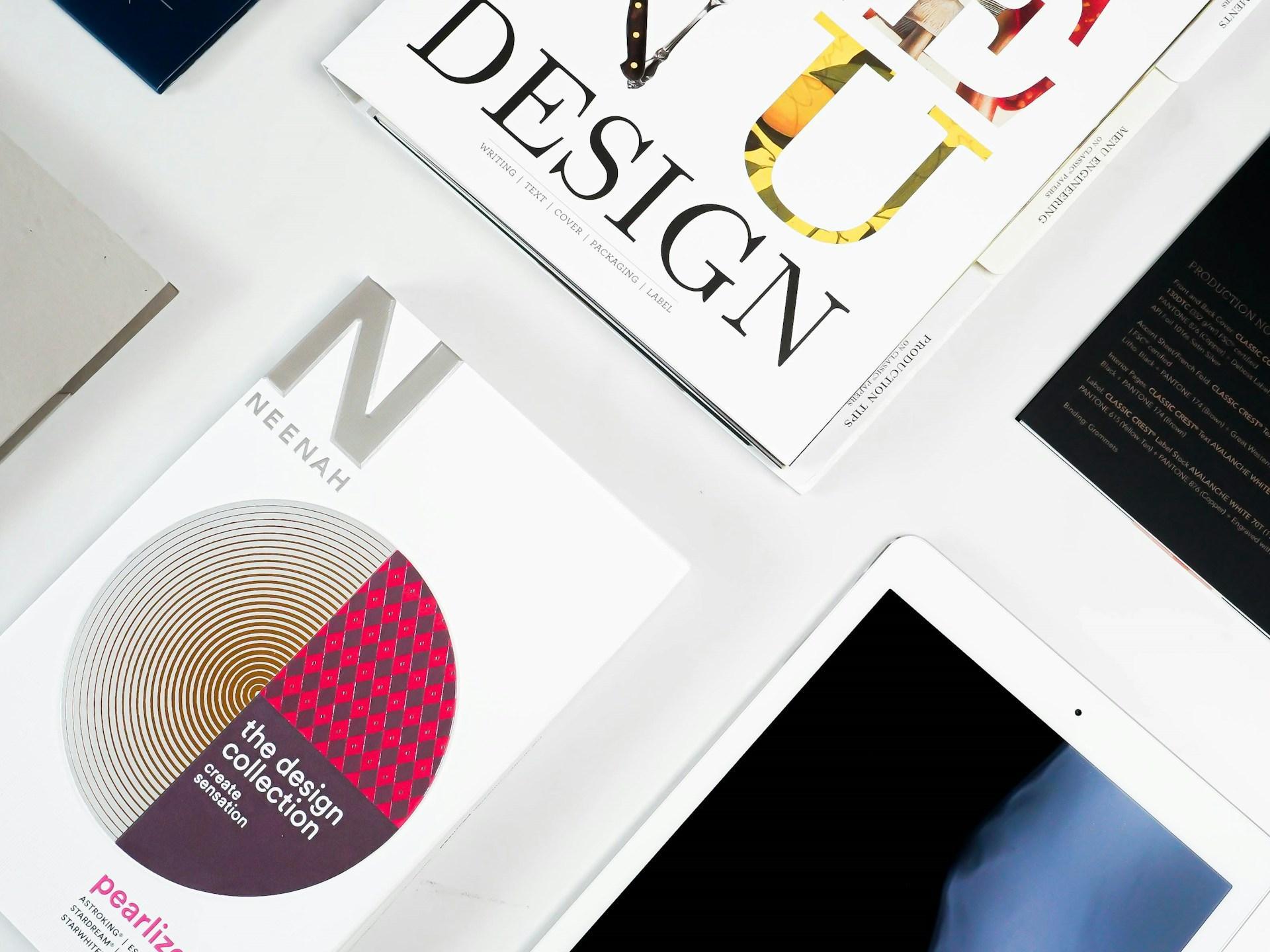
Staring at a folder full of JPEGs, PDFs, and half finished sketches can feel overwhelming. You know you have the talent, and you’ve done the work, but figuring out how to bundle all that creativity into a single, cohesive package is a different challenge entirely. A portfolio is often the first interaction a potential client or employer has with you, before speaking.
But what separates a “folder of images” from a truly effective design portfolio? It’s not just about flashy visuals or having worked with big-name brands. The best portfolios tell a story. They explain how you think, how you solve problems, and who you are as a creative professional.
Whether you are a graphic designer, an illustrator, or a UX specialist, the goal remains the same: to prove you can do the job better than anyone else. Let’s break down the essential components that turn a standard collection of work into a powerful career tool.
Table of Contents
ToggleCuration: Quality Beats Quantity Every Time
There is a common misconception that you need to include every logo, flyer, and website you’ve ever touched to look experienced. The truth is actually the opposite.
Creative directors and hiring managers are busy people. They spend an average of three minutes looking at a portfolio. If they have to dig through five mediocre projects to find one gem, they likely won’t stick around long enough to see your best work.
Be Ruthless with Your Selection
Your portfolio is only as strong as your weakest piece. If you include a project from five years ago that makes you cringe just to “fill space,” you are doing yourself a disservice. That one outdated project could be the one thing a visitor clicks on, and it might not reflect your current skill level.
Aim for 8 to 10 of your absolute best projects. If you are just starting out, 4 to 6 strong pieces are perfectly fine. Focus on the work that aligns with the type of job you want. If you want to do branding, don’t clutter your page with illustration work unless it’s relevant to your branding style.
Categorize for Clarity
If you are a multi-disciplinary designer, structure is your best friend. Don’t make a visitor guess what they are looking at. Use clear categories or tags so a hiring manager looking specifically for “Typography” or “Web Design” can filter your work instantly. This respects their time and shows that you understand information architecture, a vital skill in itself.
The Case Study: Showing Your Process
Pretty pictures catch the eye, but the process wins the contract. A final image shows what you made, but it doesn’t explain why you made it or how you got there. This is where case studies come in.
For your top projects, you need to go beyond the final render. You need to narrate the journey. This doesn’t mean writing a novel, but it does mean providing context.
The Problem, The Solution, The Result
Structure your case studies simply:
The Challenge: What did the client need? What problem were they trying to solve? Maybe their old branding didn’t attract a younger demographic, or their app was confusing to navigate.
The Approach: How did you tackle it? Show your sketches, your mood boards, and your rejected concepts. [Internal Link: How to Create a Mood Board That Inspires] Showing your rough work proves you don’t just wait for inspiration to strike—you have a reliable creative process.
The Outcome: Did sales go up? Did user retention improve? Was the client thrilled? If you have data, use it. If not, a glowing testimonial from the client works wonders here.
By revealing your process, you minimize the risk for the person hiring you. They can see that your great results aren’t accidents; they are the product of strategic thinking.
Your “About Me” Page Is Your Secret Weapon
In a market flooded with talented designers, your personality is your biggest differentiator. People want to work with people they like, and your “About” page is the one place where you can drop the corporate veil and just be you.
More Than Just a Bio
Avoid the dry, third-person biography that reads like an obituary. Write in the first person. Be approachable. Talk about your design philosophy, sure, but also mention what fuels you outside of work. Do you love baking sourdough? Are you obsessed with 80s sci-fi movies? These little details make you memorable.
However, keep it professional. This isn’t a dating profile. The goal is to show that you are a well-rounded human being who would be pleasant to collaborate with on a deadline.
A clear photo of you
It sounds basic, but putting a face to the name builds trust immediately. It reminds the viewer that there is a real person behind the pixels. You don’t need a stiff headshot in a suit; a casual, high-quality photo that reflects your vibe is perfect.
Give your portfolio a great user experience
You might be the best print designer in the world, but if your website is frustrating to use, you look bad. Your portfolio is, in itself, a design project. It is the container for your work, and if the container is broken, the work inside looks less valuable.
Navigation and Load Times
Keep your navigation simple. “Work,” “About,” and “Contact” are usually all you need. Don’t try to be too clever with navigation names that confuse the user.
Also, pay close attention to image optimization. Giant, uncompressed images will slow your site down. If your page takes ten seconds to load, most users will bounce before they see a single pixel of your art. Compress your images so they look crisp but load fast.
Building on the Right Foundation
The platform you choose matters because it dictates how much control you have over the presentation. You want a tool that lets you customize the layout to match your brand without forcing you to write code if you don’t want to. When you build your portfolio website, ensure the template or layout you choose puts the work front and center. The interface should recede, letting your projects take the stage.
Mobile responsiveness is also non-negotiable. A huge chunk of web traffic comes from phones. If your beautiful grid layout breaks on a vertically oriented screen, you look out of touch. Test your site on your phone, your friend’s phone, and a tablet to make sure it flows smoothly across all devices.
Things to keep in mind when designing the portfolio itself
When designing your portfolio, thoughtful composition and placement are essential. Composition plays a vital role in graphic design, shaping how viewers perceive and interact with visuals. Effective composition creates a clear hierarchy, guiding the viewer’s eye to focal points. It establishes balance, which fosters a harmonious visual experience. Arrange your work strategically to tell a story—group similar projects, highlight your most impressive pieces, and provide breathing room between elements to prevent overcrowding. A well-composed layout feels inviting and helps viewers focus on the quality of your work without distractions.
Social Proof and Contact Information
You’ve shown your work, explained your process, and introduced yourself. Now, you need to close the deal.
Testimonials
What others say about you carries more weight than what you say about yourself. Sprinkle testimonials throughout your site, or have a dedicated section for them. You don’t need a hundred reviews; three or four genuine quotes from past clients or colleagues can validate your skills and work ethic.
If you are new and don’t have client testimonials yet, ask a professor or a mentor for a brief quote about your potential and dedication.
Make Contacting You Effortless
Don’t make people hunt for your email address. It should be in your footer, on your “About” page, and perhaps even as a button in your main navigation.
Include a simple contact form, but always list your actual email address as well. Some people hate forms and prefer to copy-paste an address into their own email client. Also, link to your active social media profiles (like LinkedIn or Instagram) so they can see you are active in the design community. [Internal Link: How to Optimize Your LinkedIn Profile for Creatives]
Keeping It Fresh and Current
A portfolio is never truly “finished.” It is a living document that should evolve as you do. One of the biggest mistakes designers make is launching their site and then ignoring it for two years.
Set a calendar reminder for every three to six months to review your site.
Are there new projects to add?
Is there an old project that no longer represents your best work?
Are all the links still working?
Regular updates show that you are active and engaged in your career. It also gives you a reason to share your portfolio on social media again (“Just updated my site with a new branding project!”), keeping you top-of-mind for your network.
Conclusion
Building a great design portfolio isn’t about bragging; it’s about communication. It’s about clearly demonstrating that you have the skills, the process, and the personality to help a client reach their goals.
By curating your best work, writing compelling case studies, and ensuring your site is a joy to navigate, you create a space that does the hard work for you. Don’t overthink it, and don’t wait for perfection. Get your work out there, tell your story, and let your portfolio open doors for you.
FAQ: Common Portfolio Questions
How many projects should I include in my design portfolio?
Quality is much more important than quantity. Ideally, aim for 8-10 of your strongest projects. If you are just starting out, 4-6 high-quality pieces are better than filling space with mediocre work. Focus on the type of work you want to be hired for.
Do I need to know how to code to build a portfolio website?
Not at all. There are many website builders available today that allow you to create stunning, professional portfolios using drag-and-drop tools. You can customize the look and feel to match your personal brand without writing a single line of code.
Should I include personal projects in my portfolio?
Yes! Personal projects are a fantastic way to display your passion and creativity, especially if your client work has been more corporate or restrictive. They show what you are capable of when you have full creative control and can help attract the specific type of work you enjoy doing.
How often should I update my portfolio?
Try to review your portfolio every 3 to 6 months. Add any new, high-quality projects you’ve completed and remove older work that no longer represents your current skill level. Keeping it fresh shows you are active and growing in your field.