
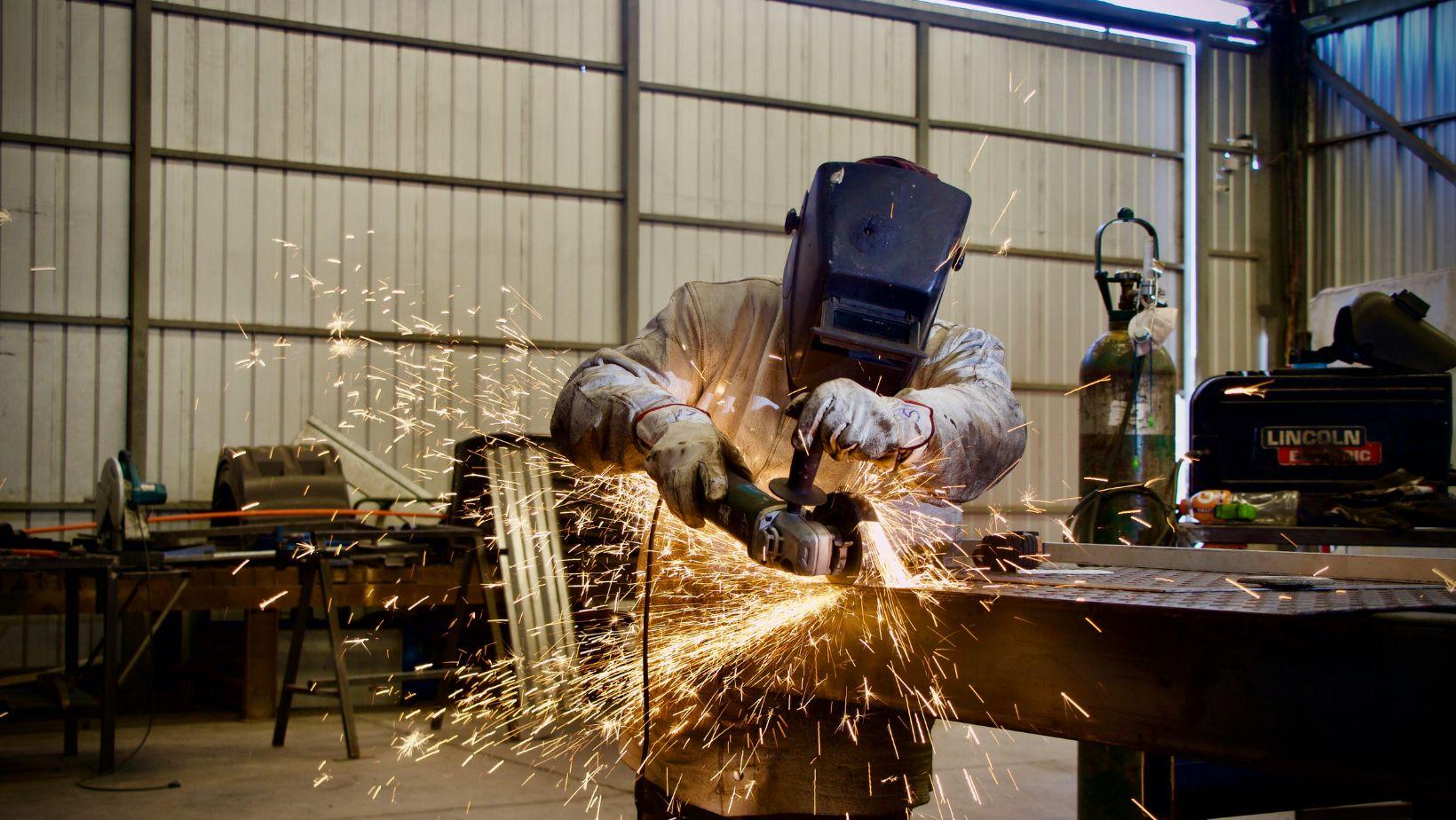
Home workshops are becoming increasingly popular as homeowners take on more ambitious DIY projects, from repairing metal gates to building custom shelving, garden structures, and furniture frames. However, any project involving welding, grinding, cutting, or high heat requires careful preparation. For tradespeople and experienced DIYers working in these environments, flame retardant (FR) clothing is an important part of staying protected when sparks, heat, and fire risks are present.
Table of Contents
ToggleWhy Workshop Safety Matters
A workshop can be one of the most useful spaces in the home, but it can also become hazardous if it is not organized properly. Power tools, electrical cables, timber, paint, solvents, and metalworking equipment all create risks when used without planning.
This is especially true when heat is involved. Welding and grinding can produce sparks that travel further than expected, and those sparks can easily land on clothing, wooden surfaces, dust, or nearby materials.
A safe workshop should always be arranged with prevention in mind.
Common Heat-Based DIY and Trade Projects
Not every DIY project involves fire risk, but some tasks require extra caution. These include:
-
Welding metal frames or brackets
-
Grinding steel or ironwork
-
Cutting metal pipes or panels
-
Repairing gates and railings
-
Fabricating garden structures
-
Working near heat guns or burners
These jobs are often carried out by welders, metalworkers, builders, mechanics, and sometimes confident homeowners with the right training.
Why Standard Clothing Is Not Enough
Many people underestimate how quickly ordinary clothing can become dangerous near sparks or heat. Lightweight fabrics, synthetic materials, and loose garments can catch or melt when exposed to high temperatures.
For this reason, workwear matters. Clothing used in heat-based environments should be chosen for protection, durability, and comfort. It should cover the body properly while still allowing movement.
This does not replace safe working practices, but it adds an important layer of protection.
Preparing the Workshop Before Starting
Before beginning any welding or metalwork project, the space should be cleared and checked. Flammable items should be moved away from the work area, including cardboard, sawdust, paper, fuel, paint, and untreated timber.
Good preparation includes:
-
Keeping a fire extinguisher nearby
-
Ensuring proper ventilation
-
Clearing the floor of trip hazards
-
Checking cables and tools for damage
-
Creating a designated hot-work area
A tidy workshop is not just easier to work in — it is safer.
Protective Equipment Beyond Clothing
Alongside suitable workwear, other protective items are also important. Depending on the job, this may include:
-
Welding helmets or face shields
-
Heat-resistant gloves
-
Safety boots
-
Eye protection
-
Hearing protection
-
Respiratory masks when fumes are present
Each item protects against a different risk, so the right combination depends on the project.
When to Call a Professional
Some metalwork jobs are best left to trained tradespeople, especially if they involve structural supports, load-bearing brackets, or work near gas lines or electrical installations.
Professional welders and fabricators understand not only how to complete the job but also how to assess risk before work begins.
For homeowners, knowing when not to DIY is part of staying safe.
Final Thoughts
Workshop renovations and metalworking projects can be extremely rewarding, especially when they produce something practical and long-lasting. However, jobs involving heat, sparks, and heavy tools require more preparation than ordinary DIY work.
By organizing the workspace, using proper equipment, and wearing suitable protective clothing, tradespeople and experienced DIYers can work more confidently and safely.